
TL;DR

Get garden gear delivered free with Prime
- Fast, free delivery on millions of items
- Prime Video, Amazon Music and more included
- Member-only deals all year
A report by Ideal Home recommends three steps to help UK lawns cope with forecast autumn and winter rain: aerate compacted soil, fill thin areas with grass seed and regularly clear fallen leaves. The advice is based on comments from lawn-care specialists; the timing and local effects of El Niño-related weather remain uncertain.
Ideal Home has set out three lawn-care steps for UK gardeners preparing for forecast autumn and winter rain and storms: aerate compacted soil, overseed bare patches and clear fallen leaves. The report cites lawn-care specialists who say these measures can help water drain into soil and reduce conditions that may damage grass, though the extent and location of any El Niño-related impacts remain uncertain.
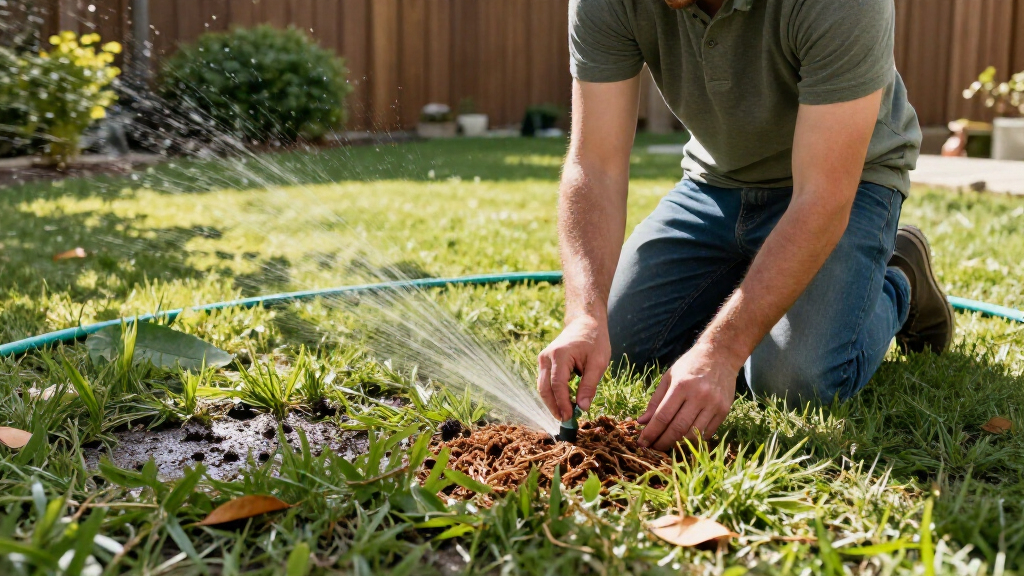
The first recommendation is to aerate compacted lawns, particularly after a hot, dry summer. Aeration creates small holes in the soil, helping air and water move through it. The report quotes Chris McIlroy of The Grass People, who says some soil can become hydrophobic, causing water to run off rather than soak in. That can contribute to water collecting on nearby paths, patios and drains. The article does not establish how widespread this condition is.
The second step is to sow grass seed in thin or bare patches. McIlroy says grass absorbs rainwater more effectively than bare soil, and that established lawns with stronger roots may be more resilient to waterlogging. The report recommends completing seeding while there is still time for the grass to establish, but gives no regional timetable or guarantee that new seed will take under all weather and soil conditions.
Third, gardeners are advised to rake away fallen leaves and other debris, especially after rain or strong winds. Cheryl Harper, managing director of Greensleeves Lawn Care, says wet leaves can trap moisture, block sunlight and create conditions favourable to moss and fungal diseases. The report suggests raking every few days during periods of leaf fall. These are preventive lawn-care measures, not a promise that a lawn will avoid damage in severe or prolonged wet weather.
How Lawn Preparation Can Help
Compacted soil, bare patches and a layer of wet leaves can each affect how a lawn handles persistent rain. Aeration and fuller grass cover may help water enter the ground, while leaf removal reduces prolonged dampness and shading. Taken together, the recommendations give gardeners practical tasks to address before wetter conditions arrive, rather than waiting until waterlogging or disease becomes visible.
The advice may be relevant to homeowners whose lawns dried out over summer, but outcomes depend on local soil, drainage, grass type and weather. It is not a substitute for local weather guidance, and the source does not quantify how much the suggested work could reduce flooding or lawn damage.
Popular right now

De'Longhi Stilosa Compact Manual Espresso Machine with Milk Frother

KitchenAid Artisan 5-Quart Tilt-Head Stand Mixer, KSM150PS, Almond Cream

Dyson V8 Cyclone Cordless Vacuum
As an affiliate, we earn on qualifying purchases.
From Summer Drought to Wet Weather
The Ideal Home report frames its advice around a possible shift from summer heat and dry, compacted ground to a wetter autumn and winter. It describes El Niño as a climate pattern associated with warmer sea-surface temperatures and says it can affect UK weather. The article characterises the coming event as particularly strong, but supplies no forecast agency, probability, measurement or supporting data for that description.
The recommendations focus on lawn maintenance rather than predicting specific weather. Aeration, overseeding and leaf removal are presented as steps to take in advance of rain and storms. The report includes comments from Chris McIlroy of The Grass People and Cheryl Harper of Greensleeves Lawn Care; it does not cite a meteorological service or provide a location-by-location outlook.
“Aerating the lawn relieves some of this compaction. It involves creating small holes in the soil to allow air circulation.”
— Chris McIlroy of The Grass People
Weather Impacts Still Unspecified
The report does not identify which UK areas are expected to receive the heaviest rain, give dates for the forecast storms or cite a meteorological authority for its description of a particularly strong El Niño. Local rainfall totals and the likelihood of flooding are not provided. It is also unclear how common hydrophobic soil is after the summer conditions described, or how much the three lawn-care steps would change a lawn’s performance during prolonged rain.
The advice is attributed to lawn-care professionals, but the source offers no measured results comparing treated and untreated lawns. Gardeners should not read it as a guarantee against waterlogging, moss or fungal disease.
Tasks Before the Rain Arrives
The report’s practical next steps are to check for compacted or thin areas, aerate where appropriate, and sow seed with enough time for it to establish. Gardeners can then remove leaves and debris regularly, particularly after windy or wet spells. Timing will depend on local conditions, and the article does not set a final seeding date that applies across the UK.
For the weather outlook, readers will need to follow updated forecasts for their area as the season develops. The source reports no further forecast update or scheduled milestone, so the scale and timing of the anticipated rain remain to be confirmed.
Key Questions
What are the three recommended lawn-care steps?
Aerate compacted soil, overseed thin or bare patches, and clear fallen leaves and debris. Ideal Home presents these as preparation for forecast wet weather.
Why aerate a lawn before wet weather?
Aeration makes small holes in compacted soil, helping air and water move through it. The report’s source says this may help address runoff from soil that has become compacted or water-repellent.
When should I clear leaves from the grass?
The report advises regular raking during leaf fall, particularly after heavy rain or strong winds, because wet leaves can block light and hold moisture against grass.
Will these steps prevent lawn flooding?
No guarantee is given. The article says aeration and fuller grass cover may help water enter the ground, but it does not quantify their effect or say they can prevent flooding during severe or prolonged rain.
How certain is the forecast for my area?
The source does not give regional rainfall forecasts, dates or probabilities. Check current local weather updates for information about conditions where you live.
Source: rss