TL;DR

Get garden gear delivered free — and shop member deals
- Fast, free delivery on millions of items
- Access to Prime Big Deal Days deals on October 6–7
- Prime Video, Amazon Music and more included
A Gardening Know How report recommends Virginia sweetspire, a shrub native to the eastern United States, as an alternative to burning bush. Sweetspire offers fragrant early-summer flowers, fall foliage and wildlife habitat, though its color varies with growing conditions and plant selection.
Virginia sweetspire is a native alternative to burning bush that offers fall foliage, fragrant summer flowers and wildlife habitat, according to a Gardening Know How report. The recommendation matters to gardeners weighing the vivid autumn display of burning bush against its status as an invasive shrub in many parts of the United States.
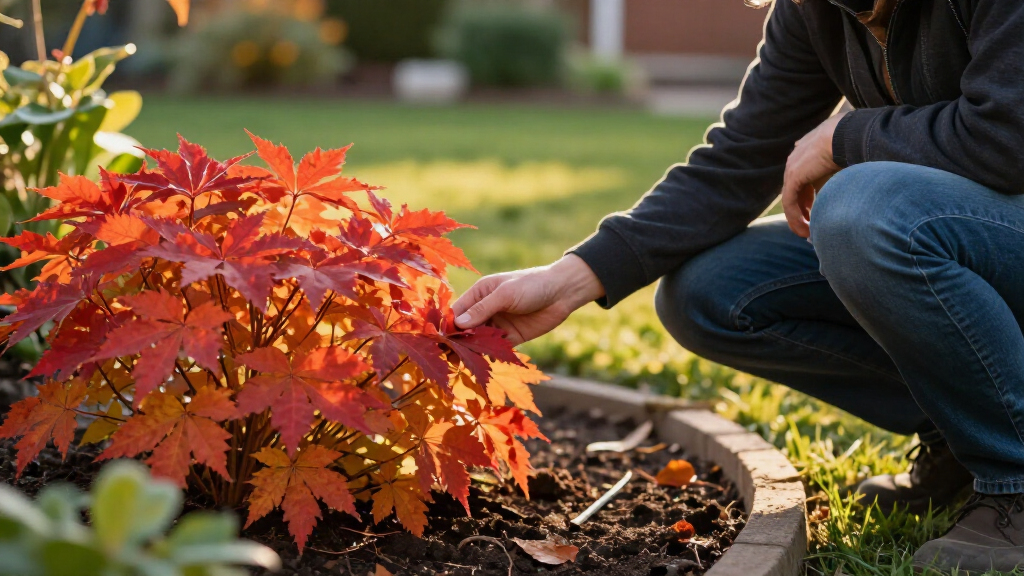
The report identifies Virginia sweetspire (Itea virginica) as a deciduous shrub native to the eastern United States. Its glossy green leaves can turn red, orange, purple or maroon in fall. Unlike a plant chosen mainly for its autumn color, sweetspire also produces fragrant white flower spikes in early summer, giving it seasonal interest before its leaves change.
Sweetspire can provide cover and nesting habitat for birds and support bees, butterflies and hummingbirds, the report says. Those features may make it useful in gardens intended to offer resources for wildlife as well as ornamental value. The report does not provide measurements of wildlife use or compare the shrub’s ecological benefits with those of other native plants.
Fall color is not guaranteed to be uniform. The report says climate, growing conditions and the individual plant affect how intense and long-lasting the display is. It recommends the cultivar ‘Henry’s Garnet’ for gardeners prioritizing autumn color, while noting that it is not necessary to choose that cultivar to grow Virginia sweetspire. Smaller gardens may also consider compact selections, including Little Henry, named in the report.
A Shrub With More Than Fall Color
The choice matters because burning bush can spread beyond gardens. The report says birds can carry its seeds into natural areas, where the shrub may establish and compete with native vegetation. It also says several states have restricted or banned its use in landscaping, though it does not list those states or specify the rules in each jurisdiction.
Virginia sweetspire offers gardeners a way to choose a regionally native shrub with multiple seasons of interest rather than selecting solely for a bright fall display. Its flowers and wildlife value add reasons to keep it in the landscape through the rest of the growing season. It is not an identical visual substitute, and the report makes no claim that it will match every burning bush in size, shape or color intensity.
For gardeners, the practical point is to check local conditions and regulations before buying a shrub. A plant’s suitability can depend on location, available space and the garden’s growing conditions. The report presents sweetspire as an alternative, not as a universal fit for every site.
As an affiliate, we earn on qualifying purchases.
Why Gardeners Look Beyond Burning Bush
Burning bush (Euonymus alatus) is a deciduous shrub originally from Asia. Its vivid crimson fall leaves have made it popular in residential gardens, according to Gardening Know How. The same report describes it as invasive in many parts of the United States, citing bird-dispersed seeds as one way it can move from planted landscapes into natural areas.
The article’s recommendation responds to that trade-off: a familiar ornamental display on one side, and concerns about escape and competition with native plants on the other. It points to Virginia sweetspire as a native option that also delivers autumn color, while adding early-summer blooms and wildlife habitat. The report does not provide a state-by-state regulatory guide, so gardeners should consult local authorities for current restrictions.
““Beautiful doesn’t necessarily mean appropriate for every garden.””
— Gardening Know How report
Color and Local Rules Can Vary
The report does not give specific state restrictions on burning bush, and rules can depend on location. It also does not identify a single growing condition that guarantees a particular fall color or duration for Virginia sweetspire. Gardeners should verify local regulations and check that a selected plant suits their site before purchasing.
The report lists cultivars but provides no comparative trial data on their color, mature size or performance across different climates. Its recommendation of ‘Henry’s Garnet’ is guidance for shoppers seeking strong autumn color, not a guarantee of a particular result.
Check Local Guidance Before Planting
Before buying burning bush or a replacement, gardeners can check with local extension services or state and local authorities for current invasive-plant guidance and restrictions. Those considering Virginia sweetspire can compare available cultivars and confirm their mature size and site requirements with a nursery or reliable regional planting resource.
For fall color, the report points to ‘Henry’s Garnet’ as a cultivar to seek out, while emphasizing that cultivar choice and growing conditions affect results. The next step is a local planting decision; the report does not describe a new regulation, research finding or scheduled policy change.
Key Questions
Why is burning bush a concern?
According to Gardening Know How, burning bush is invasive in many parts of the United States. Birds can spread its seeds into natural areas, where the shrub may compete with native vegetation. Some states have restricted or banned its landscaping use, but the report does not specify which ones.
What is Virginia sweetspire?
Virginia sweetspire (Itea virginica) is a deciduous shrub native to the eastern United States. It produces fragrant white flower spikes in early summer and can develop red, orange, purple or maroon foliage in fall.
Does Virginia sweetspire support wildlife?
The report says sweetspire can provide cover and nesting habitat for birds and support bees, butterflies and hummingbirds. It does not give numerical estimates of wildlife use.
Which sweetspire cultivar is recommended for fall color?
The report recommends ‘Henry’s Garnet’ for gardeners especially interested in autumn foliage. Fall color still varies with climate, growing conditions and the individual plant, so a specific display is not guaranteed.
Is Virginia sweetspire an exact replacement for burning bush?
No. The report says it is not an identical replacement. Sweetspire offers its own shape and seasonal qualities, including summer flowers and wildlife habitat as well as fall color.
Source: rss
Fall Picks
fall essentials
As an affiliate, we earn on qualifying purchases.