
TL;DR

Get garden gear delivered free with Prime
- Fast, free delivery on millions of items
- Prime Video, Amazon Music and more included
- Member-only deals all year
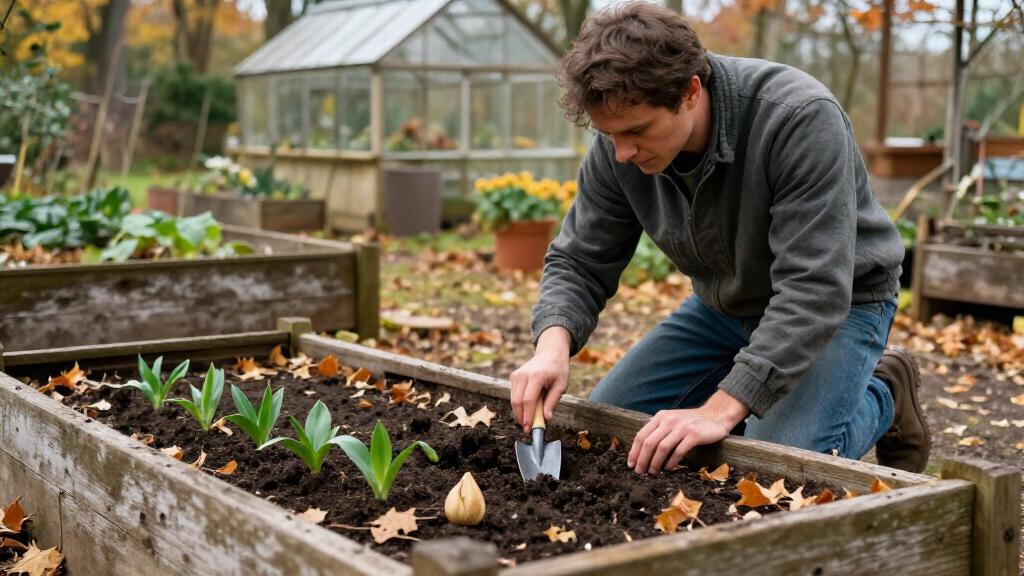
Country Living’s gardening report says there is no single fall planting deadline: gardeners should generally aim to plant trees, shrubs and perennials about six weeks before the ground freezes. The guideline varies with climate and soil, and some plants, including broadleaf evergreens, may be better planted in spring.
There is no single date when fall planting becomes too late, according to a Country Living gardening report. It recommends giving trees, shrubs and perennials about six weeks to establish roots before the ground freezes, while noting that local climate, soil conditions and plant type can change that window.
The six-week period is a rule of thumb, not a firm cutoff. The report says planting is generally best while daytime temperatures are around 40 to 60 degrees Fahrenheit and several weeks of favorable growing conditions remain. In warmer climates, planting may continue into winter if the soil is neither frozen nor waterlogged.
As a rough regional guide, the report puts the planting window around mid-October in USDA Zones 3 and 4, and late October in Zones 5 and 6. In Zone 7 and warmer, planting may be possible into early December or later. These are estimates rather than guarantees; the year’s weather and local ground conditions matter.
A frost by itself does not necessarily end the planting season. Horticulturalist Stacey Hirvela, marketing manager for Proven Winners Color Choice Shrubs, told Country Living that autumn frosts are generally not a problem for planting. A plant may have lost its leaves and entered dormancy after frost or a freeze, she said, but it can still be planted.
Local Conditions Set the Planting Window
The guidance matters because calendar dates alone can mislead. A gardener in a colder region may need to finish planting well before the ground freezes, while someone in a milder region may have more time. Soil that is frozen or saturated can make planting unsuitable even when air temperatures seem mild.
In warm regions, the challenge can be summer heat rather than winter cold. Hirvela told Country Living that gardeners in the South should allow a six-week cushion before temperatures reach 90 degrees, so roots can grow before heat stress arrives. The same broad principle applies across climates: judge the remaining period of favorable conditions, not just whether a frost has occurred.
Popular right now

Dyson V8 Cyclone Cordless Vacuum

Breville Barista Express Espresso Machine, Black Sesame

Apple AirPods Pro 3 Wireless Earbuds with Active Noise Cancellation
As an affiliate, we earn on qualifying purchases.
Frost Is Not the Same as Frozen Ground
The report distinguishes an autumn frost from the conditions that most constrain planting. Frost can cause foliage to drop and plants to become dormant, but frozen ground limits planting and gives roots little opportunity to establish. Cold-region gardeners therefore have a shorter window than those in areas with mild winters.
Rain can also change the calculation. In warmer climates, wet, soggy soil can complicate winter planting, even when temperatures remain suitable. Country Living’s guidance is based on general climate zones and horticultural advice; it does not provide a precise forecast for individual locations.
Some plants are less suited to fall planting. Hirvela advised against planting broadleaf evergreens such as rhododendron, holly and boxwood in fall, and also cautioned against plants being grown near the limit of their hardiness range or those prone to winter damage in a particular climate. The report names bigleaf hydrangea and butterfly bush as examples.
““Basically what you want to try to accomplish with fall/winter planting is giving the plant the longest possible time to grow roots before challenging weather hits.””
— Stacey Hirvela, speaking to Country Living
Forecasts and Plant Needs Vary
The report does not specify a planting deadline for every location or species. When the ground will freeze, how long mild conditions will last, and whether soil will remain workable depend on local weather and site conditions. The USDA-zone dates are broad estimates, not a substitute for checking a local forecast or asking a regional nursery or extension service.
Plant hardiness and exposure also matter. The report does not give a complete list of plants that should wait until spring, and it notes that some plants may be more vulnerable to winter damage in certain climates. Gardeners should check the needs of the specific plant and their local conditions before deciding.
Check Soil Before Planting
Gardeners deciding whether to plant should check the local forecast, soil condition and expected freeze timing, then compare that outlook with the plant’s needs. If the soil is frozen or waterlogged, the report’s guidance does not support treating a mild air temperature as a green light. In warmer climates, gardeners should also consider heavy rain and the approach of high heat.
If a plant is already in a container, Hirvela’s advice is to plant it before winter where conditions permit rather than leave it in its pot through the season. For broadleaf evergreens or plants vulnerable to winter damage, check local guidance on whether spring planting is the better option.
Key Questions
How many weeks before the ground freezes should I plant?
Country Living’s general recommendation is to plant trees, shrubs and perennials about six weeks before the ground freezes, allowing roots time to establish. Treat this as a guideline, since local weather, soil and plant type affect the timing.
Can I plant after the first frost?
Usually, a first autumn frost alone does not rule out planting. Horticulturalist Stacey Hirvela told Country Living that plants may lose leaves and become dormant but can still be planted. Frozen or waterlogged soil is a more direct obstacle.
Which USDA zones can plant later in fall?
The report gives rough dates of mid-October for Zones 3 and 4, late October for Zones 5 and 6, and early December or later for Zone 7 and warmer. These dates are estimates and should be checked against local weather and soil conditions.
Which plants may be better to plant in spring?
Hirvela advised against fall planting for broadleaf evergreens such as rhododendron, holly and boxwood. The report also cautions about plants near the limit of their hardiness range and species prone to winter damage in a gardener’s climate.
Source: countryliving.com