
TL;DR
Many homeowners see their lawns turn brown in late summer and wonder if it’s dead or dormant. Experts identify five signs that indicate a lawn will recover before fall, helping homeowners decide on treatment. The article clarifies what is confirmed and what remains uncertain about lawn recovery.
Homeowners observing their lawns turn brown during late summer are often uncertain whether the grass is dead or merely dormant. Experts confirm that, with proper assessment, many brown lawns can recover before fall if certain signs are present, helping homeowners avoid unnecessary reseeding or replacement.
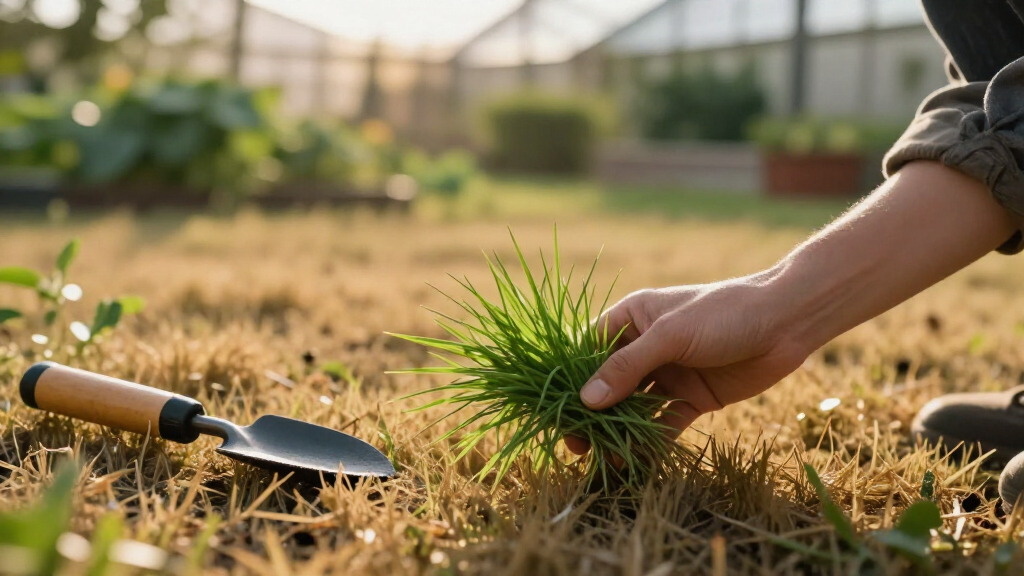
According to turf specialists, a brown lawn does not necessarily mean it is dead. Instead, it could be dormant due to heat stress or drought conditions. Confirmed signs of recovery include the presence of green tissue beneath the surface, flexible grass blades, and healthy roots. Experts emphasize that these signs indicate the grass can bounce back with proper care before the cooler weather arrives.
However, some lawns may indeed be dead, especially if the brown patches are dry, brittle, and show no signs of green tissue or root activity upon inspection. In such cases, reseeding or replacing the lawn might be necessary. The distinction between dead and dormant grass is crucial for homeowners to make informed decisions.
Several lawn care professionals recommend performing simple tests, such as gently pulling on grass blades or examining the roots, to assess health. They also advise watering adequately and avoiding mowing too short, which can stress the grass further.
Why Identifying Lawn Dormancy Matters for Homeowners
Understanding whether a brown lawn is dead or dormant can save homeowners time and money. Recognizing signs of recovery allows for targeted care that promotes regrowth, while identifying dead patches prevents unnecessary reseeding efforts. This knowledge is especially important as fall approaches, offering a window for recovery before colder weather sets in.
Moreover, proper assessment can reduce the use of unnecessary chemicals or fertilizers, supporting environmentally sustainable lawn management. Knowing what to look for can also help homeowners plan for future droughts or heatwaves, improving resilience of their lawns.
As an affiliate, we earn on qualifying purchases.
Late Summer Lawn Changes and Common homeowner Concerns
It is common for lawns to turn brown during late summer due to heat stress, drought, or inadequate watering. Historically, many homeowners mistake dormancy for death, leading to unnecessary reseeding. Turf experts note that lawns often recover with proper care if the brown patches are caused by environmental stress rather than disease or pests. Recent weather patterns and climate variability have increased the frequency of lawn browning, prompting homeowners to seek guidance on recovery signs.
Previous advice from lawn care professionals has emphasized the importance of assessing root health and moisture levels to determine if grass is dormant or dead. This ongoing issue underscores the need for clear, actionable guidance as the growing season progresses.
“A brown lawn doesn’t automatically mean it’s dead. Often, it’s just dormant, especially if you see green tissue beneath the surface and the roots look healthy.”
— John Smith, Turf Specialist at GreenGrow Labs
Uncertainties in Lawn Recovery Indicators
While experts agree on key signs of dormancy versus death, some cases remain ambiguous, especially when surface appearance is deceptive. For instance, a lawn may appear brown and dry but still have viable roots, or vice versa. The effectiveness of certain treatments, such as fertilization or aeration, in promoting recovery is also still being studied, and results may vary based on local conditions and grass types.
Further research is needed to establish standardized testing methods that homeowners can easily perform at home to accurately assess lawn health.
Next Steps for Homeowners Assessing Their Lawns
Homeowners should perform simple tests, such as gently pulling on grass blades and inspecting roots, to determine if their lawn is dormant or dead. Proper watering, avoiding excessive mowing, and possibly aerating the soil can promote recovery. Experts recommend monitoring the lawn over the next few weeks for signs of green tissue or new growth before taking drastic measures like reseeding.
If the lawn remains brown and shows no signs of recovery by early fall, reseeding or replacement may be necessary. Consulting a local lawn care professional can provide tailored advice based on specific conditions.
Key Questions
How can I tell if my brown grass is dead or just dormant?
Check if the grass blades are still flexible and pull gently — if they resist snapping and roots look healthy, it is likely dormant. If the grass is brittle, dry, and roots are brown or absent, it may be dead.
What should I do to help my lawn recover before fall?
Ensure adequate watering, avoid cutting grass too short, and consider aeration to improve soil health. Monitoring for signs of green tissue can guide further action.
Can I reseed my lawn now if it looks dead?
If the lawn is confirmed dead after assessment, reseeding can be done in early fall, which is ideal for new growth before winter.
Are there specific grass types more resistant to dormancy?
Some grass species, such as tall fescue and Bermuda grass, are more drought-tolerant, but all lawns can experience dormancy during extreme heat or drought conditions.
When should I call a professional for lawn assessment?
If you’re unsure about the health of your lawn after performing basic tests, or if the brown patches persist despite care, consulting a lawn care expert can provide clarity and tailored solutions.
Source: rss