TL;DR

Get garden gear delivered free with Prime
- Fast, free delivery on millions of items
- Prime Video, Amazon Music and more included
- Member-only deals all year
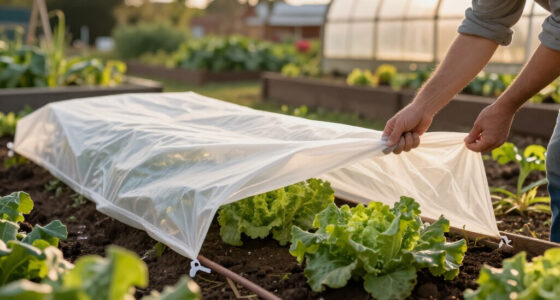
Gardening Know How’s November guide recommends identifying hydrangea type before pruning or adding winter protection. It emphasizes preserving old-wood flower buds, watering while soil remains unfrozen and protecting roots according to local climate and soil conditions.
Gardening Know How’s November hydrangea guide recommends five steps to prepare shrubs for winter, led by identifying the type before pruning or deciding how much protection it needs. The advice matters because some hydrangeas form next year’s flower buds on existing stems, while others bloom on new growth in spring.
The report’s central warning is to avoid routine fall pruning of bigleaf, mountain and oakleaf hydrangeas. These types form flower buds on old wood, often near stem tips, so cutting stems back in November can remove buds intended to bloom the following summer. The guide says to remove only dead, diseased or broken stems, and to leave dried flower heads in place over winter; they can be trimmed in late winter or early spring as new growth appears.
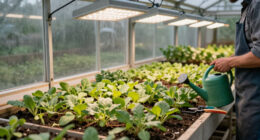
Its other recommendations are to water deeply until the ground freezes, protect vulnerable buds from severe cold, and stabilize roots with mulch. Water needs depend on rainfall and soil: the report advises checking conditions rather than watering automatically, and suggests a slow soaking every 10 to 14 days when rainfall is sparse. It says to moisten soil roughly 8 to 12 inches deep and give newly planted shrubs particular attention.
The fifth task is to adjust care to the plant and site, including hydrangea variety, local hardiness zone and soil drainage. The guide describes panicle and smooth hydrangeas as blooming on new wood and generally more frost-resilient than old-wood types. It says cold-zone gardeners may need more protection, while heavy clay can hold excess water and sandy soil can dry quickly.
Protecting Next Summer’s Flower Buds
The practical stakes are visible in the next flowering season. Pruning at the wrong time can remove buds already formed on old-wood varieties, while insufficient soil moisture before freeze-up may leave plants more vulnerable to winter drying. The guide’s advice can help gardeners avoid treating all hydrangeas alike.
Winter care is not a single prescription. Species, climate and soil affect whether a shrub needs stem protection, how much watering is appropriate and how quickly its roots face freezing or drying conditions. Checking those factors before acting can reduce avoidable damage without adding unnecessary work for hardier plants.
Popular right now

Ninja Crispi 5-in-1 Glass Air Fryer System, Emerald, FN103BF

Bose QuietComfort Ultra Earbuds (2nd Gen) – Wireless Noise‑Cancelling Earbuds with Mic, Immersive Audio, USB‑C Charging, Up to 6 Hours Batte

Ninja Flip Toaster Oven and Air Fryer, 8-in-1, Stainless Steel, SP151
As an affiliate, we earn on qualifying purchases.
Old Wood and New Growth
Hydrangeas differ in where they form flowers. According to Gardening Know How, bigleaf, mountain and oakleaf hydrangeas flower on old wood, meaning buds are present on stems formed earlier. Panicle and smooth hydrangeas flower on new wood produced in spring, making them less vulnerable to pruning that removes the previous season’s stems.
The report also distinguishes regional risks. It says gardeners in USDA zones 3 to 5 may face frozen ground and drying winter winds, while zones 7 to 9 can experience late-fall warm spells followed by frost. These are general descriptions; conditions vary within zones and from year to year.
Care Depends on Local Conditions
The source is a seasonal gardening guide, not a report of new research or a specific weather event. It does not provide trial data comparing the recommended methods, and it does not establish a single watering schedule that suits every garden. Its suggested interval applies when rainfall is sparse; actual soil moisture, drainage and local weather still matter.
The supplied source text ends partway through its watering section and does not include all five full task descriptions. It mentions root protection and mulch in its introduction, but the available material does not give a complete set of instructions for constructing stem barriers or specify a mulch depth. Gardeners should not treat missing details as a universal prescription.
Check Plants Before the First Freeze
The next step is to identify each hydrangea and check soil moisture, recent rainfall and the forecast before pruning, watering or adding protection. Where plant labels or cultivar information are unavailable, a local nursery or extension service may be able to help identify the type and advise on regional winter care.
As temperatures fall, gardeners can continue checking moisture while the soil is unfrozen, then leave old-wood stems and flower heads intact through winter. Pruning can wait until after flowering for old-wood types, or until late winter or early spring for removal of dried heads as new growth appears.
Key Questions
Should I prune hydrangeas in November?
Not if they bloom on old wood. The guide says bigleaf, mountain and oakleaf hydrangeas have already formed next year’s buds, which pruning can remove. Dead, diseased or broken stems are exceptions.
Should I water hydrangeas before winter?
Check the soil and rainfall. If autumn rain has been sparse, the guide recommends a deep, slow soaking while the ground remains unfrozen. Newly planted shrubs may need particular attention.
Which hydrangeas need the most winter protection?
Old-wood types can be more vulnerable because cold may damage buds already set on their stems. The amount of protection also depends on the cultivar, local climate and exposure.
Can I remove dried hydrangea flowers now?
The guide recommends leaving dried flower heads over winter, particularly on old-wood types, because buds are tucked beneath them. They can be removed in late winter or early spring as new growth appears.
Source: gardeningknowhow.com