
TL;DR

Get garden gear delivered free with Prime
- Fast, free delivery on millions of items
- Prime Video, Amazon Music and more included
- Member-only deals all year
Leaves from a neighbour’s tree blocking gutters do not automatically give rise to a legal claim, property experts cited by Ideal Home say. They recommend speaking with the neighbour, checking local tree protections before pruning branches that cross the boundary, and documenting any damage or costs. Routine leaf clearing is unlikely to justify legal action, but persistent problems causing actual property damage may call for specialist advice.
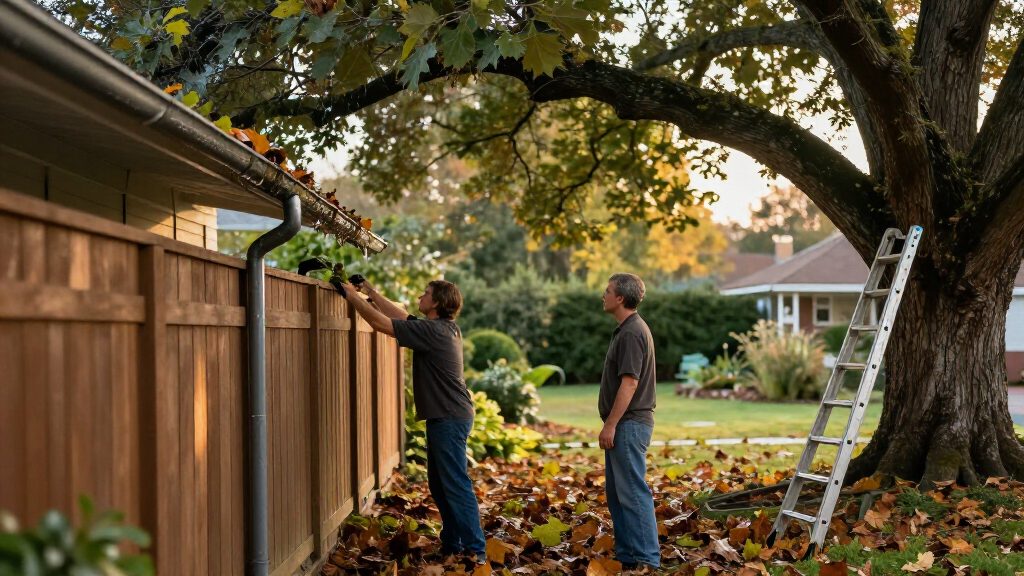
Homeowners whose gutters are repeatedly blocked by leaves from a neighbour’s tree should first raise the problem with the neighbour, rather than assume the leaf fall creates a legal claim, according to property experts quoted by Ideal Home. The report says householders may generally trim branches that overhang their property back to the boundary, but should check whether the tree is protected and keep evidence if the problem causes damage.
Victoria Quinn, a partner in disputes and regulatory work at law firm Wilkin Chapman Rollits, recommends starting with a conversation. A neighbour may not know that leaves are blocking the gutters and could be willing to maintain the tree or discuss ways to reduce the debris. Quinn says an attempt to resolve the issue amicably may also help show that reasonable steps were taken if the dispute later escalates.
If branches extend over the boundary, Sarah Dodd, founder of Tree Law, says a householder generally has a common-law right to cut them back to the property line. That does not permit going onto the neighbour’s land or cutting beyond the boundary. The report advises checking with the local council whether the tree has a Tree Preservation Order or is in a conservation area, where consent or advance notification may be required.
If the issue persists, keep dated photographs of blocked gutters, records of cleaning expenses and receipts for repair work. The experts distinguish ordinary inconvenience, such as occasional gutter cleaning, from unusually severe or persistent leaf fall that causes actual property damage. The latter could warrant specialist legal advice; the report gives mould in the home as an example of a more serious consequence.
When Leaf Fall Causes Property Damage
The distinction between regular maintenance and demonstrable damage matters because a legal complaint is not automatically justified by a neighbour’s leaves reaching another property. According to Dodd, nuisance claims generally require interference substantial enough to merit legal intervention. Merely having to sweep leaves or clean gutters more often is unlikely to meet that threshold.
Blocked gutters can become more than an inconvenience if they contribute to damp, mould or other property damage. Keeping records helps establish what is happening and what it costs, while an early discussion gives neighbours a chance to address the issue without formal proceedings. The source does not establish that any particular case will succeed; the severity and consequences of the leaf fall matter.
Popular right now

De'Longhi Rivelia Fully Automatic Espresso Machine with Milk Frother, White

eufy E25 Robot Vacuum and Mop Combo with HydroJet Roller Mop

Samsung 48-Inch S90H OLED 4K Smart TV (2026)
As an affiliate, we earn on qualifying purchases.
Pruning Rights and Local Tree Rules
The guidance concerns branches that overhang a property boundary, not a general right to enter a neighbour’s garden or cut down their tree. Dodd says pruning should stop at the boundary. Any cut branches remain the neighbour’s property, according to the report, so householders should not assume they can keep or dispose of them without agreement.
Before cutting, check with the local planning authority or council for restrictions. A Tree Preservation Order can protect a tree, and trees in conservation areas may be subject to consent or notification requirements. The source advises using the council’s planning information, but local rules and the tree’s status can vary, so check the specific requirements before doing work.
“Open communication often resolves these types of issues more effectively and amicably than legal action.”
— Victoria Quinn, partner in disputes and regulatory work at Wilkin Chapman Rollits
Whether the Problem Meets the Legal Threshold
The supplied report does not provide a ruling on any individual dispute or set out a guaranteed route to a legal remedy. Whether leaf fall amounts to a substantial nuisance depends on the frequency, severity and consequences, including whether it has caused actual damage. The source says routine cleaning is unlikely to be enough, while unusually severe or persistent leaf fall causing damage may alter the position.
It is also not possible to tell from the report whether a particular tree is protected, whether local conservation rules apply, or what action a council would take in a specific case. Those details must be checked locally. The guidance is not a substitute for legal advice tailored to a property and its circumstances.
Practical Steps Before Escalation
Start by telling the neighbour what is happening and, if possible, show them photographs of the blocked gutters. Ask whether they can help address the issue. If branches cross the boundary, check the tree’s status and local rules with the council before arranging any pruning; keep the work within the boundary and do not enter the neighbour’s land.
Continue documenting blockages, cleaning costs and any resulting damage. If the problem persists and there is evidence of substantial harm, seek advice from a qualified property lawyer or other relevant specialist about options. The source does not report a formal policy change or a scheduled next step; any further action depends on the facts and local restrictions.
Key Questions
Can I cut branches from my neighbour’s tree that hang over my property?
According to Tree Law founder Sarah Dodd, householders generally may cut overhanging branches back to the boundary. Do not go onto the neighbour’s land or cut beyond the boundary, and check first for a Tree Preservation Order or conservation-area rules.
Can I make a legal complaint just because leaves block my gutters?
Not necessarily. The experts cited by Ideal Home say ordinary inconvenience, such as occasional gutter cleaning, is unlikely on its own to justify legal intervention. Persistent or unusually severe leaf fall causing actual property damage may warrant further advice.
What evidence should I keep?
Take photographs of blocked gutters and keep dated notes, cleaning costs, receipts and records of any repair work or damage. This can help show the effect of the problem if you need to discuss it with your neighbour or seek advice.
Should I speak to my neighbour before pruning?
The report recommends starting with a conversation. The neighbour may not know about the blockage and may agree to maintain the tree. An attempt to resolve the matter amicably can also document that you tried to address the issue directly.
What if the tree is protected?
Check with your local council before cutting. Trees with a Tree Preservation Order, or trees in a conservation area, may require consent or prior notification. Requirements depend on the tree and location.
Source: rss