
TL;DR

Get garden gear delivered free with Prime
- Fast, free delivery on millions of items
- Prime Video, Amazon Music and more included
- Member-only deals all year
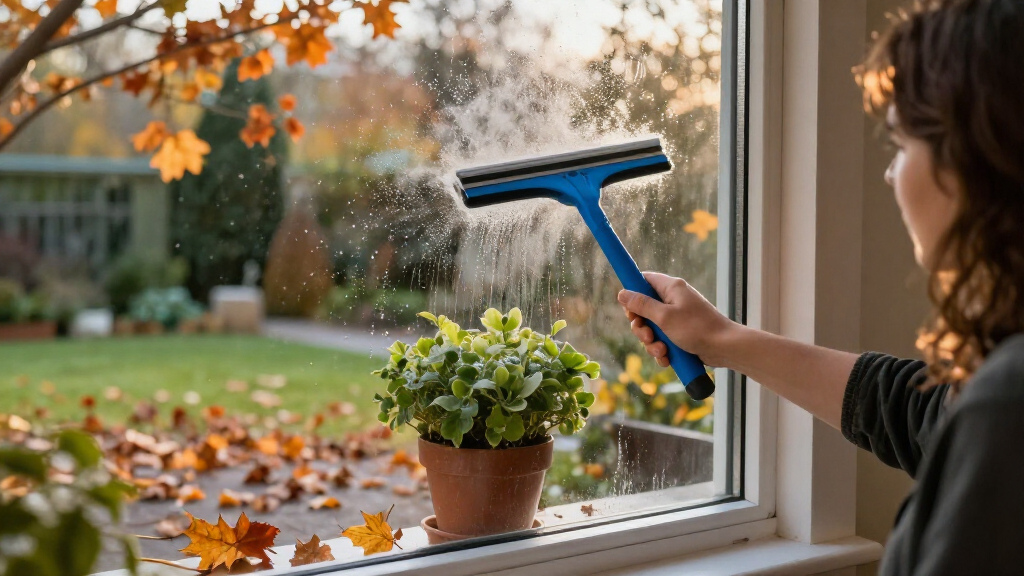
A Homes & Gardens report says washing windows in November can remove grime that blocks some daylight from reaching houseplants during the darker months. The advice is based on the writer’s experience, not reported measurements; the article says window washing alone will not substantially raise light levels and suggests other ways to support plants.
Homes & Gardens recommends washing windows in November as a simple way to remove dirt that may reduce the daylight reaching indoor plants during fall and winter. The advice comes from a writer’s personal houseplant routine, and the report cautions that clean windows alone will not significantly improve light levels.
The report’s writer says they clean windows every November to improve light exposure for houseplants as daylight hours shorten and temperatures fall. Removing grime from the glass can allow more light to pass through, which may be useful for plants that cannot easily be moved closer to a window, including larger plants kept in fixed positions. The report recommends cleaning both the inside and outside of windows for the full potential benefit.
Reduced light can affect indoor plants’ growth. The article says some plants may develop leggy growth—longer, sparse stems—when they do not receive enough light. It notes that plants generally grow more slowly in cooler months and that some may be dormant. The source does not present measurements showing how much additional light a window cleaning provides or evidence that the practice prevents leggy growth.
The article suggests combining window washing with other care steps: move plants that need more light nearer bright windows, wipe dust from leaves, and rotate plants weekly to distribute exposure. It also says grow lights can be used when needed. The report warns that harsh winter sun may scorch sensitive leaves, and that watering too often can be a problem because soil may take longer to dry in winter conditions.
More Daylight for Indoor Plants
For readers caring for plants indoors, the advice highlights a low-effort way to address one factor that changes seasonally: the amount of daylight reaching a room. Dusty or dirty glass can obstruct some light, so cleaning it may help plants near windows receive more of what is available. This is a practical maintenance suggestion, not a substitute for checking each plant’s light needs.
The limits matter as much as the tip. November window washing is not a proven fix for inadequate light, and the source gives no quantified effect. Plant placement, leaf cleanliness, seasonal growth patterns, and the intensity and duration of natural light all remain relevant. The report also points to potential downsides of responding too aggressively, such as leaf scorch from direct sun or root problems from excessive watering.
Popular right now

De'Longhi Dinamica Plus Fully Automatic Espresso Machine

Sony WH-1000XM4C (M4 2nd Gen) Wireless Noise-Cancelling Headphones, Black

KitchenAid Artisan 5-Qt Tilt-Head Stand Mixer – Dried Rose (KSM150PS)
As an affiliate, we earn on qualifying purchases.
Seasonal Light and Plant Care
The source frames window cleaning as part of a broader fall and winter routine, when days are shorter and indoor plants may receive less natural light. It says photosynthesis still matters even when a plant is growing slowly or dormant, and identifies sparse, stretched stems as a possible sign of insufficient light.
The recommendation is presented as the writer’s own experience in a Homes & Gardens gardening article. The source offers general care suggestions but does not cite a controlled study, specify which window types or plant species benefit most, or give a standard schedule for cleaning glass. Its central qualification is that cleaning windows should be paired with other approaches where appropriate.
“I find washing my windows every November makes a huge difference for fall houseplant care.”
— Homes & Gardens report author
How Much Light Cleaning Adds
The source does not quantify how much additional light reaches plants after windows are cleaned, or establish that the practice prevents leggy growth. It also does not identify which plant species, window conditions, or levels of grime would make the greatest difference. The recommendation should be understood as practical seasonal advice based on the writer’s experience, not a tested guarantee of improved plant health.
It is also unclear how often windows need cleaning beyond the author’s November routine. The report does not offer a universal schedule, and the usefulness of the task will depend on the room, glass condition, available daylight, and plants’ individual needs.
Pair Cleaning With Plant Checks
The source gives no follow-up study or scheduled update. For readers applying the advice, the next step is to assess how much light plants receive and combine cleaner windows with suitable placement, leaf dusting, and occasional rotation. Grow lights may be an option if natural light remains insufficient, while plants should be watched for signs of scorch near bright windows.
Winter watering also warrants attention: the report advises against watering too frequently because soil can take longer to dry in cooler conditions. The article does not provide plant-specific watering amounts, so care should be adjusted to the plant and its growing conditions rather than following a single schedule.
Key Questions
Why wash windows in November for houseplants?
The Homes & Gardens report says cleaning dirt and grime from glass may let more daylight reach indoor plants as fall and winter bring shorter days.
Does window washing prevent leggy houseplant growth?
The article says insufficient light can contribute to leggy growth, but it does not show that washing windows prevents it. The writer presents the practice as one possible way to improve light exposure, not a guaranteed solution.
What other steps does the report recommend?
It suggests moving plants that need more light closer to bright windows, cleaning dust from leaves, rotating plants weekly, and using grow lights if needed. Sensitive plants can still be damaged by harsh direct winter sun.
Should houseplants be watered less in winter?
The report warns against watering too frequently because soil may take longer to dry in winter conditions. It does not give a universal watering schedule, so the needs of each plant and its soil should guide care.
Source: homesandgardens.com