
TL;DR

Get garden gear delivered free with Prime
- Fast, free delivery on millions of items
- Prime Video, Amazon Music and more included
- Member-only deals all year
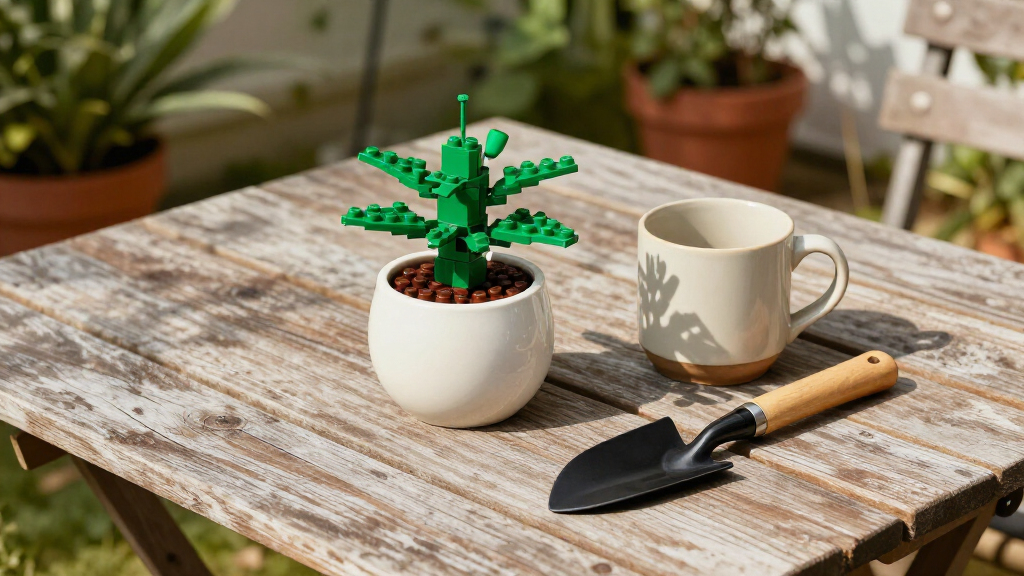
LEGO has released a new series of brick-built houseplants, attracting increased online interest. This development prompts questions about whether artificial LEGO plants can match real plants in appearance and appeal. The trend’s popularity is rising, but details about the product’s reception and effectiveness remain unclear.
LEGO has introduced a new line of brick-built houseplants, sparking a surge in online searches and social media discussions. The product line features miniature, detailed replicas of popular houseplants made entirely from LEGO bricks, aiming to appeal to plant enthusiasts and LEGO fans alike. This move comes amid increasing consumer interest in home decor and plant-based aesthetics, but it raises questions about whether artificial, brick-built plants can truly substitute real greenery in appearance and ambiance.
The new LEGO houseplants include models resembling popular varieties such as pothos, succulents, and ferns. LEGO states that these models are designed with intricate details, mimicking the textures and shapes of real plants, and are marketed as decorative items for homes and offices. The launch has led to a notable spike in online searches and social media posts, with many users expressing curiosity and enthusiasm for the novelty. However, there is no official data yet on consumer reviews or sales figures, and it remains unclear how these LEGO plants compare to real plants in terms of aesthetic satisfaction, durability, or practical use.
Experts note that LEGO’s move taps into a broader trend of combining hobbyist interests with home decor, especially as more people seek low-maintenance alternatives to live plants. The company has emphasized that these models are reusable, customizable, and safe for environments with children and pets, contrasting with the care requirements of real plants. Despite the hype, some critics question whether LEGO plants can replicate the natural beauty and calming presence of real greenery, or if they serve more as decorative novelties.
Why LEGO Houseplants Could Reshape Home Decor Trends
The introduction of brick-built houseplants by LEGO signifies a potential shift in how consumers approach home decor, blending hobbies with practical aesthetics. If these models prove popular, they could reduce the demand for real plants in settings where maintenance or allergies are concerns. Additionally, they highlight a growing interest in customizable, durable decorative items that require no watering or sunlight. This trend might influence other brands to explore artificial plant alternatives, further blurring the line between real and artificial greenery in interior design.
As an affiliate, we earn on qualifying purchases.
Growing Interest in Artificial and Hobbyist Home Decor
Over recent years, there has been a notable rise in the popularity of artificial plants and DIY home decor projects. Social media platforms have fueled this trend by showcasing creative arrangements of faux greenery and hobbyist crafts. LEGO’s entry into the houseplant market aligns with this broader movement, which emphasizes low-maintenance, customizable decor options. The current spike in coverage and search interest suggests that consumers are increasingly receptive to innovative, playful alternatives to traditional home decor elements, although the market for artificial plants remains competitive and diverse.
What Still Needs Clarification About LEGO Houseplants
It remains unclear how consumers will receive these LEGO houseplants in the long term, including their durability, aesthetic satisfaction, and market performance. There are no available sales figures or detailed reviews yet, and whether these models can truly replace real plants in terms of ambiance and health benefits is uncertain. Additionally, the broader impact on the home decor market and consumer preferences has yet to be seen, making it difficult to predict the trend’s sustainability or influence.
Expected Developments and Market Response to LEGO Plant Line
In the coming months, further consumer feedback, reviews, and sales data will shed light on the popularity and practicality of LEGO houseplants. The company may expand the line with new varieties or accessories based on initial reception. Market analysts will likely monitor whether these models influence other brands to develop similar artificial decor options, and whether real plant sales decline as a result. The ongoing social media buzz and user-generated content will also play a role in shaping the future of this product category.
Key Questions
Are LEGO houseplants suitable for outdoor use?
LEGO’s official specifications indicate that these models are intended for indoor decorative use only, as exposure to weather elements could damage the bricks.
Can LEGO houseplants be customized or combined with real plants?
Many users are exploring DIY modifications, but LEGO has not officially marketed these models as customizable beyond their existing designs. Combining them with real plants is possible but not officially supported.
Do LEGO houseplants require any maintenance?
No, unlike real plants, LEGO models do not need watering, sunlight, or pruning, making them low-maintenance decorative options.
How do LEGO houseplants compare in price to real plants?
The cost varies depending on size and complexity, but generally, LEGO models tend to be more expensive than common small houseplants, though they offer reusability and customization.
Will LEGO release more plant varieties in the future?
It is not yet confirmed, but based on current interest and social media activity, additional varieties or accessories could be introduced if the line proves successful.
Source: rss
Fall yard work Picks
leaf blowers
As an affiliate, we earn on qualifying purchases.