
TL;DR

Get garden gear delivered free with Prime
- Fast, free delivery on millions of items
- Prime Video, Amazon Music and more included
- Member-only deals all year
A Homes & Gardens report lists six fall jobs that gardening experts recommend before winter: mulch bare beds, protect container plants, remove diseased material, and prepare lawns, tools and other garden areas. The advice is seasonal guidance, not a single new gardening rule; timing and methods depend on local weather, plant needs and disease conditions.
Homes & Gardens has published a fall garden checklist drawing on professional horticulturists and gardening experts, recommending six jobs before winter to protect soil, plants, containers and equipment. The report advises gardeners to mulch cleared beds, move or shelter pots, remove diseased plant material and complete other seasonal maintenance, while noting that some steps depend on local conditions and the plants involved.
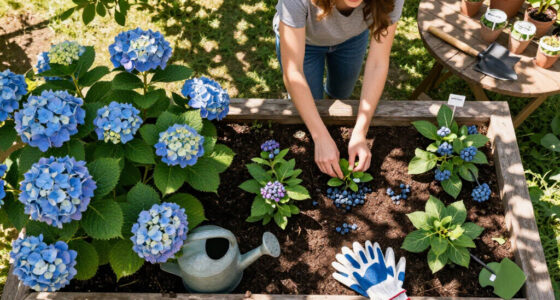
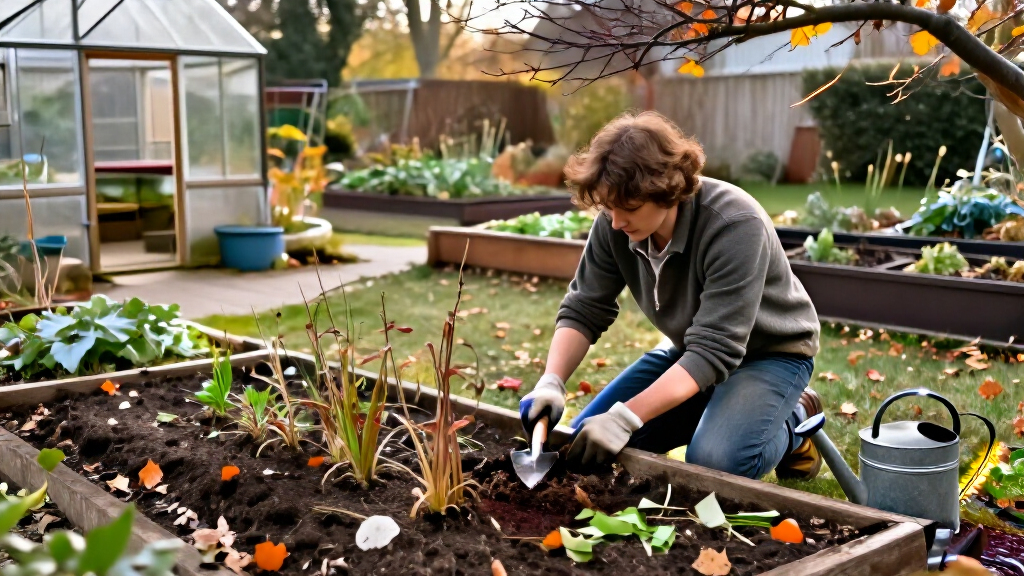
The first recommendation is to avoid leaving cleared flower beds or vegetable plots exposed. The report says bare soil can lose nutrients and be eroded by wind and heavy rain, and suggests applying organic mulch such as compost, leaf mold or collected leaves. David McCary, owner of Seattle Sustainable Landscapes, says mulch can regulate soil temperature and insulate roots. Gardenuity co-founder Donna Letier recommends a 1-to-3-inch layer. The report also identifies green manure, or cover crops, as an alternative for covering bare soil.
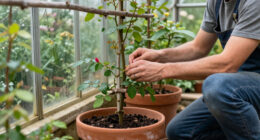
Container plants may need extra protection because pots provide less insulation around roots than garden beds. The article recommends grouping pots and moving them near a sheltered wall, with a south-facing position described as preferable where suitable. Gardeners are also advised to clear drainage holes and raise containers so water can drain. Frost-sensitive plants should be moved into appropriate shelter before temperatures fall below their tolerance; the report says to check them for pests first. The right indoor location depends on whether a plant is dormant or actively growing and on its light and warmth needs.
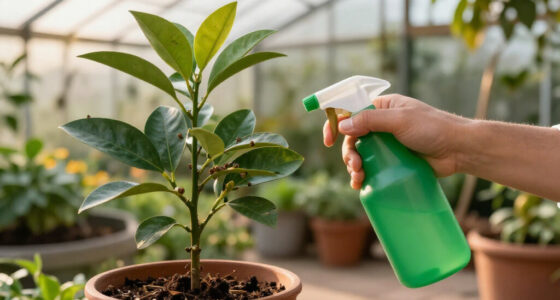
The report also urges gardeners to remove diseased leaves and stems, including material affected by powdery mildew, rose black spot or blight. It cautions against placing diseased material in compost, where pathogens may persist and return in spring. The source presents the checklist as six broad areas—covering beds, containers, disease cleanup, lawns, garden equipment and other seasonal preparation—rather than a fixed schedule for every garden. The supplied article excerpt gives detailed instructions for the first three areas but does not provide the full directions for the remaining tasks.
Protecting Soil, Roots and Spring Growth
Fall preparation can affect how well plants and soil fare through winter and how much cleanup or replacement is needed afterward. Mulch limits exposure of bare soil, while sheltering containers can reduce the impact of cold and wind on roots that are more exposed than those in the ground. Removing diseased material addresses a different risk: leaving infected plant debris in place may allow disease-causing organisms to persist into the next growing season, according to the report.
The practical value is in matching tasks to conditions rather than treating the list as a universal prescription. A gardener with tender container plants may need to act before the first frost, while a garden with healthy perennial stems may benefit from leaving some standing for wildlife. The choices can influence plant survival, soil condition and disease management, but the source does not quantify likely outcomes or promise that any single step will prevent winter losses.
Popular right now

iRobot Roomba Plus 678 Robot Vacuum and Mop with AutoWash Dock

De'Longhi All-in-One Espresso and Coffee Maker with 10-Cup Pot and Milk Frother

KitchenAid Artisan 5-Quart Tilt-Head Stand Mixer, Almond Cream
As an affiliate, we earn on qualifying purchases.
A Seasonal Checklist, Not a Fixed Schedule
The report frames fall as a busy period for gardeners because preparations span several parts of a property: flower beds, vegetable gardens, lawns, containers and equipment. It recommends planning before frost arrives, but gives no single calendar date. Frost timing varies by location, and a plant’s tolerance affects when it should be moved or covered.
It also distinguishes tidying from disease control. Some gardeners cut back perennials in fall, while others leave stems and seed heads to provide food and shelter for birds and insects. The report’s central instruction is narrower: remove clearly diseased material, whether or not other healthy growth is left standing. Its advice comes from Homes & Gardens and named gardening professionals, rather than from a government agency or a formal horticultural study.
“Any pots that have perennial plants in them get placed up against my house during the winter (south-facing is best) since it is warmer close to the house.”
— Stacy Risenmay of Digz Gardening
Local Frost Dates and Missing Details
The report does not set a universal deadline for completing the jobs; frost dates and plant hardiness differ by region. It also does not specify one mulch type or depth for every bed, nor does it offer detailed care instructions for all plant species. Its supplied excerpt describes only the first three of the six checklist areas in detail, so the precise recommendations for lawns, equipment and the remaining seasonal tasks cannot be established from that material. The article provides general expert guidance, not evidence that the steps will prevent all winter damage or disease.
Act Before Local Frost Arrives
Gardeners can use local forecasts and plant labels or reliable regional horticultural guidance to decide when to move tender plants and finish outdoor work. Before bringing pots indoors, the report advises checking for pests; before mulching, gardeners should clear beds and select material suited to the plants and soil. Drainage and disease cleanup can be checked during the same preparation period. The next milestone is the arrival of cold conditions in each area, rather than a date specified by the report.
Key Questions
What are the main fall garden tasks in the report?
The report presents six areas of preparation, including mulching beds, protecting container plants and removing diseased material. It also identifies lawns, equipment and other seasonal tasks, but the supplied excerpt does not spell out all six sets of instructions.
How much mulch does the article recommend?
Gardenuity co-founder Donna Letier recommends applying 1 to 3 inches over the soil. The appropriate material and amount may vary with the bed and plants.
Should all perennials be cut back in fall?
No. The report says some gardeners leave healthy perennial growth for birds and insects. Its specific cleanup advice is to remove diseased leaves and stems.
When should tender container plants be moved indoors?
The report says to shelter frost-sensitive plants before temperatures fall below their tolerance. The timing depends on the plant and local weather; check for pests before bringing plants inside.
Can diseased plant material go in the compost?
The report advises bagging and discarding diseased material rather than composting it, because disease-causing organisms may persist and affect new growth in spring.
Source: rss