
TL;DR

Get garden gear delivered free with Prime
- Fast, free delivery on millions of items
- Prime Video, Amazon Music and more included
- Member-only deals all year
An October 7 Amateur Gardening report advises gardeners to prepare vulnerable perennials before winter weather arrives. It recommends lifting pelargoniums and gladioli, storing them in suitable conditions, and checking local weather and exposure before deciding when to act.
Amateur Gardening published advice on October 7 for protecting tender perennials ahead of winter, recommending that gardeners lift pelargoniums and gladioli and store them in conditions suited to their needs. The guidance matters because cold and damp can damage plants left outdoors, while the right time to act varies with local weather and how exposed a garden is.
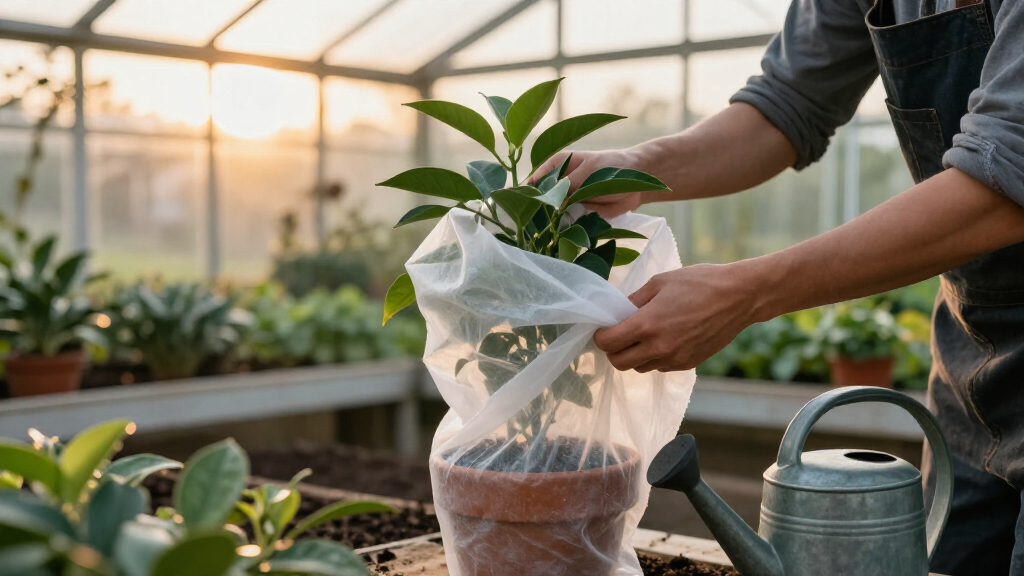
The report says pelargoniums rarely survive winter outdoors and recommends lifting them, potting them in peat-free multipurpose compost and watering them well, using a frost-protection blanket as another way to help keep plants safe in winter. It advises cutting shoots back to the lowest healthy leaf bud, which the article says can reduce mould risk and shape the plant for renewed growth. Because the plants may become dormant, gardeners may not need to water again for several weeks.
For gladioli, which the report says are prone to rotting in damp soil, the advice is to lift and store the corms somewhere dry and frost-free, much like other tender plants that need winter protection. Cut stems back by half, keep new bulblets attached to mature corms, and discard older corms that are soft or shrivelled. The report also describes potting tender bedding plants, including petunias, lobelia and calibrachoas, for greenhouse storage; its author says this worked for those plants the previous year, while some patio plants suited to fall and winter can remain outdoors.
Removed pelargonium shoots can be used as cuttings, according to the article: pot them in seed or cuttings compost and keep them on a light indoor windowsill. The report advises holding off for a few weeks if conditions remain warm and dry, but says gardeners in northern areas or exposed sites may want to act sooner.
Protecting Plants Before Cold Wet Weather
Preparing plants before harsh conditions arrive can help gardeners keep tender specimens for future growing seasons, rather than losing them to frost or rot. The guidance also offers a practical way to retain pelargoniums: overwinter the parent plant and use its cuttings to raise additional plants.
The advice is not a single date-based schedule. Gardeners need to weigh local temperatures, rainfall and exposure. Acting too early may be unnecessary during a mild spell, while waiting in a colder or more exposed area could leave plants vulnerable. The report presents these as general gardening recommendations, not a guarantee that every plant will survive storage.
frost protection blanket for plants
As an affiliate, we earn on qualifying purchases.
As an affiliate, we earn on qualifying purchases.
Autumn Tasks Vary by Garden
The article, written by gardening journalist Ruth Hayes for Amateur Gardening, frames the work as an early-autumn task for selected perennials. It points to several possible winter patterns—heavy rain, a late cold snap or prolonged dry conditions—without predicting which will occur. The suggested response is to protect plants that are vulnerable to cold or damp while keeping local conditions in view.
Hayes recounts that a large pelargonium survived one winter in a sheltered spot beside her house but failed to recover and died the following year. That is an author’s personal experience, not a controlled test or a claim that outdoor survival is impossible. The report’s broader recommendation is to lift and store pelargoniums rather than rely on shelter alone.
“Whatever the elements send, there are a few perennials that need looking after in the early autumn to keep them alive for future summers.”
— Ruth Hayes, Amateur Gardening
Weather and Plant Survival Remain Variable
The report does not forecast this winter’s weather or set a precise date by which every gardener should lift plants. It also does not provide controlled survival rates or detailed storage temperatures, so outcomes may vary by plant, storage conditions and local climate. Its advice should be read as practical guidance rather than a guarantee.
The article does not give a full care schedule for every tender perennial or greenhouse setup. Gardeners with unusual varieties, limited indoor space or plants showing disease may need advice tailored to those circumstances. It also does not establish how well the named bedding plants will perform in every garden.
Check Conditions Before Lifting Plants
Gardeners can use the report’s guidance alongside local weather conditions: assess whether nights are turning cold, whether the site is exposed, and whether soil is likely to remain wet. If lifting is appropriate, prepare dry, frost-free storage for gladioli and suitable pots and compost for pelargoniums and tender bedding plants. Keep plant labels with stored specimens so they can be identified later.
During storage, monitor plants rather than assuming they need frequent watering. The article says pelargoniums may go dormant and need little water until growth resumes in spring. Gardeners can also pot up healthy removed shoots as cuttings and keep them in a light indoor position. The next practical checkpoint is spring growth, when stored plants can be assessed and watering adjusted as they become active again.
Key Questions
When should I lift tender plants for winter?
The report gives no universal date. It advises waiting a few weeks if weather remains warm and dry, while gardeners in northern or exposed locations may need to act sooner.
How should pelargoniums be stored?
Lift and pot them in peat-free multipurpose compost, water well, then cut shoots back to the lowest healthy leaf bud. The report says they may need little or no further water for several weeks while dormant.
What should I do with gladioli corms?
Lift them from damp-prone soil and store them somewhere dry and frost-free. Cut stems back by half, retain new bulblets attached to mature corms and discard corms that are soft or shrivelled.
Can I propagate pelargoniums while preparing them?
Yes. The report recommends potting removed shoots in seed or cuttings compost and growing them on a light indoor windowsill.
Can tender bedding plants be overwintered?
The article’s author says she successfully potted up petunias, lobelia and calibrachoas for greenhouse storage the previous year. It does not guarantee the same results in every location or growing setup.
Source: rss
Halloween Picks
halloween
As an affiliate, we earn on qualifying purchases.