
TL;DR

Get garden gear delivered free with Prime
- Fast, free delivery on millions of items
- Prime Video, Amazon Music and more included
- Member-only deals all year
A Gardening Know How report explains how gardeners can grow saffron crocus (Crocus sativus) at home and harvest the red stigmas used as saffron. The plants need sun and well-drained soil, flower in autumn and may produce a larger harvest as their corms multiply. Correct plant identification matters because some lookalike autumn crocuses are poisonous.
A Gardening Know How report describes how home gardeners can grow saffron crocus (Crocus sativus) in a sunny, well-drained spot and harvest the red stigmas used as the costly spice. The report says flowers can appear in the first autumn after planting, while multiplying corms may support a larger harvest in later years; it also warns that poisonous lookalike plants must not be mistaken for saffron crocus.
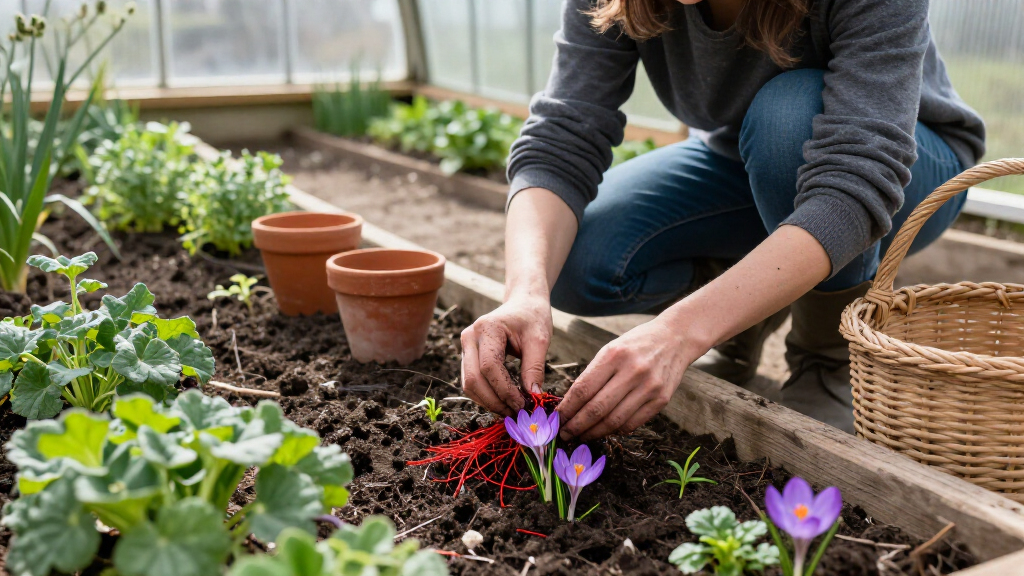
Saffron comes from the flower’s three slender red stigmas, which are picked and dried. The Gardening Know How report says about 150 flowers yield one gram of dried saffron threads, helping explain the spice’s high price. A small home planting can still provide enough for occasional cooking, since a few strands can flavor a dish.
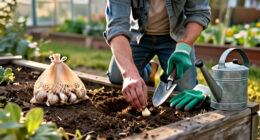
The report recommends planting corms—bulb-like underground storage organs—about 4 to 6 inches deep and 3 to 4 inches apart, pointed end up. August or September is the usual planting period; October may also work. It says saffron crocus is hardy in zones 4 through 8, but drainage is key: prolonged wet soil can cause corms to rot. Raised beds or containers are options where garden soil is heavy or waterlogged.
Flowers typically open in October or November. The report advises picking the stigmas after the morning dew dries, preferably before blooms fully open, and leaving the yellow stamens behind. Threads should be dried thoroughly before storage in a tightly sealed, light-protective container. Foliage should remain in place until it yellows naturally, because it feeds the corms for the next growing cycle.
A Small Harvest With Careful Handling
Growing saffron at home offers a way to harvest a high-value seasoning from a modest garden planting, but the work is largely manual. Each flower provides only three stigmas, and the report’s estimate of roughly 150 flowers per gram shows why even a healthy patch may produce a limited quantity. Gardeners should treat a home crop as a small culinary harvest rather than assume it will replace store-bought saffron.
Successful cultivation also depends on choices that are easy to overlook. Summer watering from a nearby irrigation line can leave dormant corms too wet, while removing leaves early can weaken the following season’s growth. Rodents may dig up corms, so the report suggests protecting plantings with mesh. These steps can affect whether the initial planting survives and expands.
Plant identification is a safety issue as well as a gardening one. Some plants sold under names such as autumn crocus or meadow saffron are Colchicum, not Crocus sativus, and the report warns they are poisonous throughout. The flower’s appearance alone is not a safe basis for harvesting: gardeners should confirm the plant’s identity before collecting anything for food.
As an affiliate, we earn on qualifying purchases.
Planting, Flowering and Dormancy
Saffron crocus grows from corms and blooms in autumn, unlike spring-flowering crocuses. The Gardening Know How report says new corms may flower in their first autumn, though some may not bloom until the second year. It also says corms multiply over time, which can expand a planting and potentially increase future harvests.
After the foliage dies back, the plant enters dormancy around June or July, according to the report. Gardeners should avoid keeping the soil wet during this period and should not cut leaves while they remain green. The report suggests containers around 30 centimetres across as one growing option; in cold areas, it says pots should sit on the ground over winter rather than on a bench.
The source presents these recommendations as home-gardening guidance, not as a guaranteed yield or a commercial production estimate. It does not provide a cost comparison between buying saffron and growing it, or quantify how much a typical garden bed will produce.
““Good drainage is the key to growing these corms successfully in all zones.””
— Gardening Know How report
Yield and Plant Identity Risks
The report gives no expected harvest per corm, garden bed or growing season, so the amount a particular gardener can collect remains uncertain. Flowering and corm multiplication may vary with local conditions, and the source does not quantify how quickly a planting will expand.
It also does not provide independent testing or a detailed botanical identification guide for distinguishing saffron crocus from poisonous lookalikes. Its safety advice is to buy correctly labelled corms from a trusted supplier and confirm plant identity before harvesting. People considering eating saffron should also take account of the report’s health cautions: it advises against ingestion during pregnancy, warns of possible medication interactions, and recommends limiting consumption.
Autumn Blooms Are the Next Checkpoint
For gardeners planting corms in late summer or early autumn, the next milestone is whether the plants establish and flower in autumn. The report says to inspect blooms for the three red stigmas, harvest only from confirmed Crocus sativus plants, and let the foliage yellow naturally after flowering.
After harvesting, threads need to dry fully before they are sealed away from light. Gardeners can then watch for new growth and flowering in later seasons, while keeping dormant corms out of persistently wet soil. The source does not give a specific harvest forecast or a guarantee that every newly planted corm will bloom in its first year.
Key Questions
When should saffron crocus corms be planted?
The Gardening Know How report recommends August or September as the usual planting time and says October may also work. It advises planting corms soon after they arrive rather than leaving them in a bag.
How much saffron does one flower produce?
Each Crocus sativus flower has three red stigmas, which are harvested for saffron. The report estimates that around 150 flowers are needed to produce one gram of dried threads.
Can saffron crocus grow in a pot?
Yes. The report says containers around 30 centimetres across can be used, provided the growing medium drains well. It advises setting pots on the ground over winter rather than leaving them on a bench.
Are autumn crocus plants safe to harvest for saffron?
No. The report warns that some plants called autumn crocus or meadow saffron are Colchicum, which it describes as poisonous throughout. Harvest only from plants confirmed as Crocus sativus.
How should saffron threads be stored?
Dry the threads thoroughly, then store them in a tightly sealed container away from light. The report says dried threads may retain quality for a couple of years when protected from light.
Source: rss
Halloween Picks
halloween
As an affiliate, we earn on qualifying purchases.