
TL;DR

Get garden gear delivered free — and shop member deals
- Fast, free delivery on millions of items
- Access to Prime Big Deal Days deals on October 6–7
- Prime Video, Amazon Music and more included
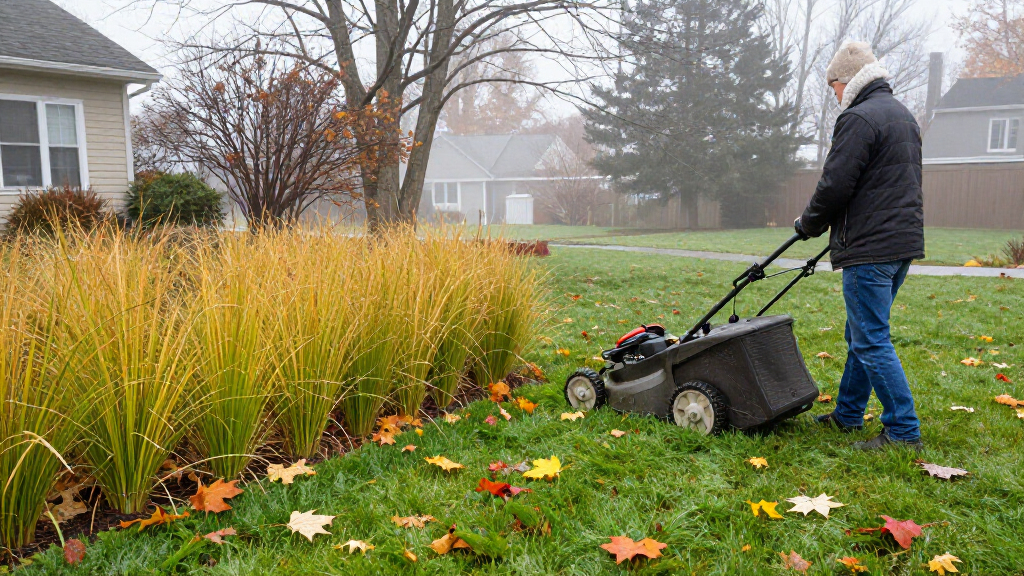
The final lawn mowing before winter should happen after grass growth slows or stops, rather than on a fixed calendar date. The right timing and cutting height depend on local weather and grass type; mowing wet or frozen turf can cause damage.
Homeowners should keep mowing while their grass is actively growing and make the final cut after growth slows or stops, according to guidance reported by Country Living. Lawn care after summer heat can also help prepare grass for the cooler months. There is no single date that applies to every lawn: local weather and the type of grass determine when to stop, and cutting at the right height can help reduce winter problems.
The timing can fall anywhere from early fall through late fall, depending on location, weather and turfgrass species. The report says cool-season grasses such as tall fescue and Kentucky bluegrass may keep growing into late October or later in some regions. Warm-season grasses, including Bermudagrass and St. Augustinegrass, slow as temperatures cool and may stop growing before or around the first frost. These are general patterns, not a forecast for any particular lawn.
The final cut should follow the one-third rule: do not remove more than one-third of a grass blade at once. For broader seasonal preparation, see these cleanup tasks before winter. Country Living advises mowing on a dry, frost-free day with a sharp blade. Grass should not be cut when wet, frozen or covered with frost. Mowing frozen turf can injure it, while heavy equipment on wet soil can compact the ground.
Recommended final heights vary. The report lists tall fescue at 2½ to 4 inches; Kentucky bluegrass, perennial ryegrass and fine fescue at 2 to 3½ inches; Bermudagrass at ½ to 1½ inches; zoysiagrass at 1 to 2 inches; centipedegrass at 1½ to 2 inches; and St. Augustinegrass at 2½ to 3 inches. Shady lawns may do better when kept slightly higher, and cultivars can differ. The article recommends checking with a local cooperative extension service if the grass type is uncertain, and this guide to common lawn problems offers more lawn care context.
A Final Cut Can Limit Winter Stress
The final mowing is a balance: grass left excessively long may mat under snow, which can raise the risk of snow mold and provide cover for voles. Cutting too short can leave less leaf surface for the plant to produce energy and may make turf more vulnerable to cold, drought and winter injury. Following the recommended height for the particular grass helps avoid both extremes.
Conditions underfoot matter too. A late-season cut is not inherently harmful when grass is dry and still growing, the report says. But traffic on frozen grass can damage brittle blades, and wet soil is more vulnerable to compaction. That makes the lawn’s condition as important as the calendar when deciding whether to mow.
Grass Type Sets the Fall Schedule
The reported guidance distinguishes between cool-season and warm-season grasses. Tall fescue, Kentucky bluegrass, perennial ryegrass and fine fescue grow most actively in cooler periods, including spring and fall, so their mowing season may continue well into autumn. Bermudagrass, zoysiagrass, centipedegrass and St. Augustinegrass slow as temperatures fall and eventually become dormant.
Country Living also recommends clearing dense leaf layers because they can block light, hold moisture and smother turf. A light layer can be mulched into the lawn, while a thick mat should be raked or removed. Fall soil testing can guide whether lime or fertilizer is needed. The report cautions that warm-season lawns generally should not receive late nitrogen, which can delay dormancy and increase cold-injury risk; cool-season lawn care should follow regional recommendations.
Local Conditions Set the Date
The source provides general height ranges and seasonal patterns, not a date for a specific property. The last mowing date depends on local weather, the grass species and whether growth has actually slowed or stopped. Cultivars can also have different needs, and the report does not identify one height that suits every lawn.
It is also not possible to determine from the guidance alone whether a particular lawn needs fertilizer, lime, aeration or overseeding. Those choices depend on grass type, timing and, for soil amendments, test results. A local cooperative extension service can help identify turf and interpret region-specific recommendations.
Watch Growth Before the Last Cut
As temperatures cool, homeowners can continue mowing while the grass is growing, then make a final cut on a dry, frost-free day at the height recommended for their turf. They can also remove dense leaf mats, avoid repeated traffic over frozen grass and use a soil test to guide any lime or fertilizer application.
For cool-season lawns, early fall is generally the preferred time to overseed if needed, according to the report. Warm-season lawns are usually aerated while actively growing in late spring or summer. Local extension advice can help determine whether those steps still fit a lawn’s season and conditions.
Key Questions
Is there a fixed date to stop mowing?
No. The report says to keep mowing while grass is actively growing and make the final cut once growth slows or stops. The date varies with location, weather and grass type.
How short should I cut grass before winter?
Use the recommended height for the turf species rather than setting every mower to one height. The report gives ranges from ½ to 1½ inches for Bermudagrass to 2½ to 4 inches for tall fescue.
Can I mow when the grass is frosty or frozen?
The report advises against it. Mowing or repeatedly walking or driving equipment over frozen grass can injure turf. Wait for a dry, frost-free day.
Should I fertilize before winter?
Apply lime or fertilizer only if a soil test indicates it is needed. The report says warm-season lawns generally should not receive late nitrogen because it can delay dormancy and raise the risk of cold injury.
Source: rss
Halloween Picks
halloween
As an affiliate, we earn on qualifying purchases.