
TL;DR

Get garden gear delivered free — and shop member deals
- Fast, free delivery on millions of items
- Access to Prime Big Deal Days deals on October 6–7
- Prime Video, Amazon Music and more included
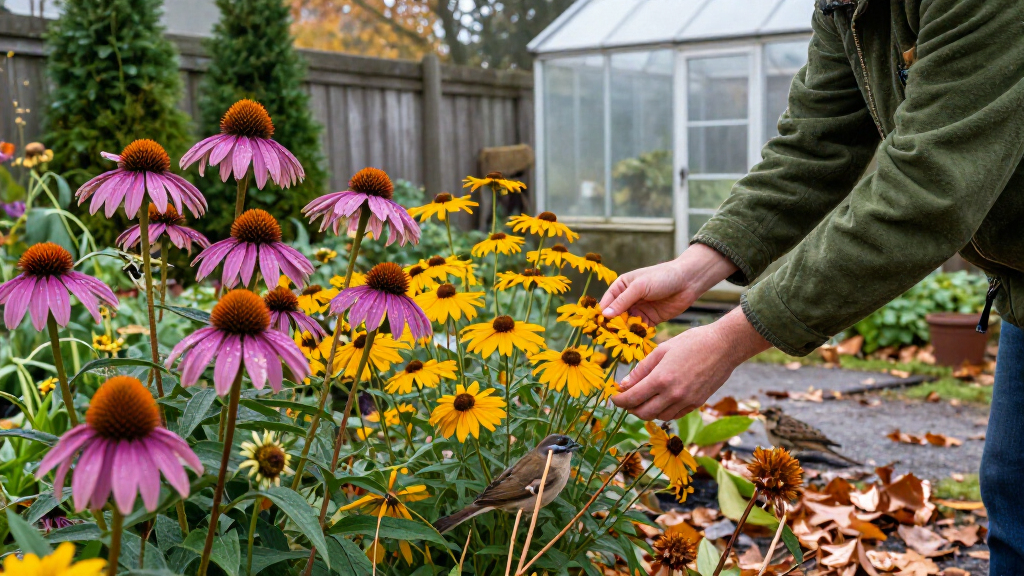
A Homes & Gardens report says gardeners should consider leaving coneflowers uncut in October. Their seedheads provide food for birds and small mammals, while standing stems can shelter insects and add structure to winter borders; spring is generally the preferred time for major cleanup.
A Homes & Gardens report advises gardeners to leave coneflowers (Echinacea) standing in October rather than deadheading or cutting them back, because their seeds can feed birds and small mammals while their stems provide habitat and winter garden structure. The guidance is seasonal advice from garden and wildlife experts, not a new regulation or formal conservation directive.
As coneflower petals fade, the central cones mature and form seedheads containing seeds that birds can eat during colder months. Kelly Funk, president and CEO of Jackson & Perkins, described the dried cones as a natural feeding station and said standing stems and seedheads preserve height and texture after much of the garden has gone dormant. The report names chickadees, blue jays, cardinals and finches as potential visitors.
Ben Rotteweel, co-owner of Dutch Grown, said coneflower seeds provide fat and protein for birds. He singled out American goldfinches, which can cling to the stems and pick out seeds. The report also quotes horticulturalist Nikki Bruner of Perfect Plants, who said mice, squirrels and chipmunks gather seeds as food stores. These are expert observations; the article does not quantify how much wildlife a planting supports.
Leaving the plants intact may also benefit insects. Rotteweel said standing cones can insulate the plant crown, while hollow or pithy stems offer overwintering habitat for native bees. He also identified plant debris as shelter for lacewings and lady beetles, which can help control aphids in spring. The dried forms add height, silhouette and texture to borders, particularly alongside ornamental grasses.
Seeds and Shelter Through Winter
For gardeners, the advice changes the usual fall cleanup calculation: cutting back every perennial can remove food and shelter that remain useful after flowering ends. Keeping coneflowers upright can make a border more supportive of wildlife while retaining visible structure through frost and snow. The report presents these as potential benefits, rather than promising that every garden will attract particular species.
The recommendation is also practical and limited in scope. Gardeners can tidy paths and patios while allowing quieter planting areas to remain undisturbed. That approach balances usable outdoor space with the value of leaving some stems and seedheads in place. Where appearance, storm damage or plant health calls for intervention, the article describes alternatives to cutting plants completely to the ground.
As an affiliate, we earn on qualifying purchases.
A Fall Cleanup With Exceptions
Coneflowers are late-summer perennials with daisy-like blooms and prominent raised centers. Their garden value does not end when petals fade: the central cones mature into seedheads, while stems remain standing. The report focuses on October deadheading decisions and the benefits of delaying a broad cutback, rather than advising that every garden plant should be left untouched.
Mary Phillips, head of Native Plant Habitat & Certifications at the National Wildlife Federation, recommends waiting until spring for major cleanup. She suggests waiting until daytime temperatures stay above 50°F for seven consecutive days, giving overwintering wildlife time to emerge. If a storm damages plants in a visible area, she says they can be trimmed to 12–18 inches, with cut stems and foliage left as mulch or moved to a less visible spot.
The report also cautions that leaving plants standing is not a rule without exceptions. It identifies signs of disease and powdery mildew as reasons to remove affected material and mentions aster yellows as a serious concern. Its supplied discussion cuts off before giving further instructions for that disease, so gardeners should seek reliable local plant-health guidance rather than infer a treatment from the article.
“The dried cones become a natural feeding station for birds through winter.”
— Kelly Funk, president and CEO of Jackson & Perkins
Disease and Local Conditions Matter
The report does not provide measured estimates for how many birds, mammals or insects benefit from a coneflower planting, and wildlife activity will vary by location and garden conditions. It also does not establish that every coneflower variety produces the same amount of seed; it notes that Echinacea purpurea is known to produce the most.
There is no single cleanup date that fits every climate. Phillips’s temperature threshold is advice quoted in the report, not a local forecast or guarantee that all overwintering wildlife has emerged. The source also flags aster yellows and other disease concerns but does not include full diagnostic or disposal guidance in the material provided. Gardeners should distinguish healthy plants from diseased ones and check locally appropriate advice when symptoms appear.
Leave Healthy Stems Until Spring
Gardeners following the report can leave healthy coneflower seedheads and stems through fall and winter, then reassess them in spring. Phillips’s suggested cue is a stretch of seven consecutive days with daytime temperatures consistently above 50°F. Before cutting, check plants for damage or disease and consider leaving trimmed material as mulch or moving it to a quieter part of the garden, where appropriate.
The report does not announce a scheduled follow-up or new policy. Its practical next step is a change in routine: keep paths and patios clear as needed, but avoid automatically clearing every perennial border in October.
Key Questions
Should coneflowers be deadheaded in October?
The report recommends leaving healthy coneflowers standing in October. Mature seedheads can provide food for wildlife, and stems may offer habitat through winter.
Which wildlife may use coneflower seedheads?
The report names chickadees, blue jays, cardinals, finches and American goldfinches among birds that may eat the seeds. It also says mice, squirrels and chipmunks gather them.
When does the report recommend cutting coneflowers back?
Mary Phillips says spring is generally the best time for major cleanup. Her suggested cue is daytime temperatures consistently above 50°F for at least seven consecutive days.
Can coneflowers be trimmed before spring?
Phillips says storm-damaged coneflowers in visible areas can be trimmed to 12–18 inches. She suggests leaving the cut stems and foliage as mulch or moving them to a less visible area.
Are there reasons to remove coneflowers in fall?
Yes. The report identifies signs of disease and powdery mildew as exceptions to leaving plants in place and flags aster yellows as a serious concern. It does not provide complete disease-management instructions, so consult local plant-health guidance if symptoms appear.
Source: rss
Halloween Picks
halloween
As an affiliate, we earn on qualifying purchases.