TL;DR

Get garden gear delivered free with Prime
- Fast, free delivery on millions of items
- Prime Video, Amazon Music and more included
- Member-only deals all year
Country Living tested cayenne solution, vinegar, dog hair and Irish Spring soap shavings on pumpkins over 12 days, alongside an untreated control. The cayenne-treated pumpkin stayed untouched through day 11 with regular reapplication, while the control was eaten by day 5; the small test cannot show whether cayenne will work as reliably in other yards.
Country Living tested four inexpensive ways to keep squirrels from eating porch pumpkins and found that a cayenne pepper solution performed best in its 12-day trial. The treated pumpkin remained untouched through day 11 when the solution was reapplied regularly, while an untreated pumpkin was gnawed within hours and gone by day 5. The result is a useful home experiment, not proof that the method will work in every yard.
The test compared pumpkins treated with cayenne pepper and water, white vinegar, fresh dog hair, and Irish Spring soap shavings, with one untreated pumpkin as a control. Country Living placed them in a neighbor’s yard with permission, where squirrels had previously eaten pumpkins. The report does not give the pumpkins’ varieties or describe the test as a controlled scientific study.
For the cayenne treatment, the testers mixed 2 tablespoons of powdered cayenne with 16 ounces of water. The powder clogged their spray bottle, so they poured the mixture over the pumpkin. They reapplied it every other day or after rain, with the last application on day 7. The pumpkin remained untouched through day 11; squirrels began eating it on day 12.
Vinegar placed second: the pumpkin received straight white vinegar as a fine spray, reapplied every other day or after rain through day 7. It apparently received a small nibble on day 4 or 5, then remained largely untouched through day 12. Dog hair did not prevent substantial damage by day 5. The soap-shavings pumpkin remained untouched for more than 10 days, but was eaten on day 11. That test began later than the others, and the soap-covered pumpkin spent five days alone after the others were gone, making direct comparisons difficult.
What the Test Suggests for Porch Pumpkins
The results offer homeowners a practical comparison before squirrels damage seasonal displays. In this particular yard, regular reapplication mattered: the cayenne pumpkin was eaten after the final treatment had been left in place for several days, while vinegar also required repeated applications and may have deterred squirrels after an initial nibble. The report does not establish how long either treatment lasts in different weather or locations.
The control pumpkin’s rapid loss shows that squirrels were active and willing to eat the display, but it does not establish that each remedy alone caused the differences. There was only one pumpkin per treatment, and squirrels could choose among multiple pumpkins. The findings are best treated as a small, practical trial rather than a ranking guaranteed to transfer to other gardens.
Popular right now

De'Longhi 15-Bar Pump Espresso Machine with Milk Frother & Temperature Control

KitchenAid Artisan 5-Qt Tilt-Head Stand Mixer – Almond Cream (KSM150PS)

De'Longhi Rivelia Automatic Espresso Machine with Milk Frother
As an affiliate, we earn on qualifying purchases.
How the Pumpkin Trial Was Set Up
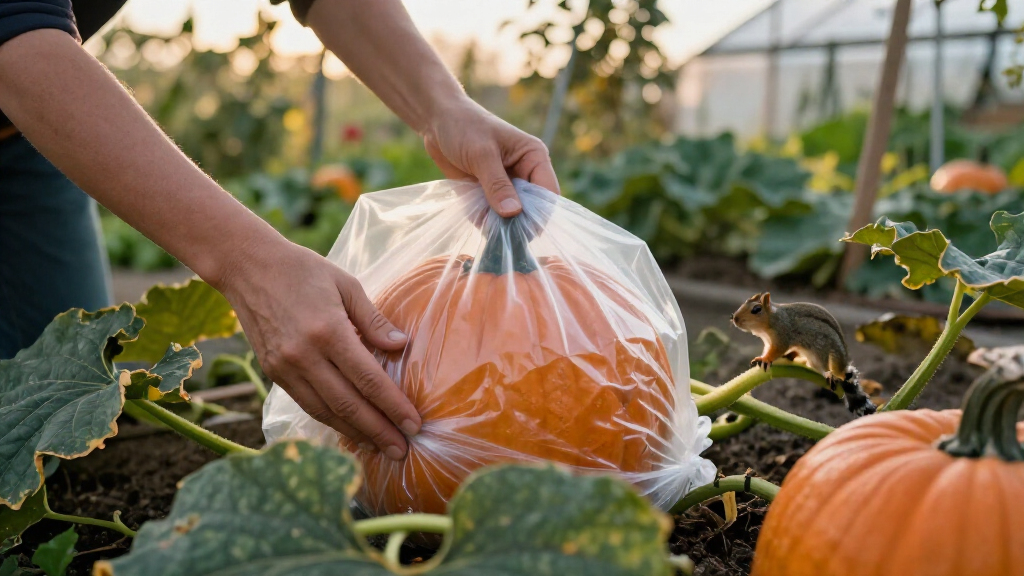
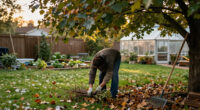
The report describes squirrels as animals that eat a varied diet, including winter squash, and notes that they can chew through pumpkin rind to reach the flesh and seeds. The experiment was prompted by a neighbor’s recurring problem with squirrels eating holiday pumpkins. With permission, the testers placed four treated pumpkins and one untreated control in that yard and observed them for 12 days.
The untreated pumpkin had gnaw marks within hours, was scooped out by day 3 and was gone by day 5. The dog-hair pumpkin began to be eaten around day 5, the same day the control was gone. Country Living said the control may have offered squirrels an alternative before they moved on to the other pumpkins, but the test could not determine whether that happened.
“The pumpkin remained untouched through day 11.”
— Country Living, describing the cayenne result
Limits of This One-Yard Trial
The experiment does not show whether cayenne or vinegar will work consistently across different yards, squirrel populations, pumpkin types or weather. Each remedy appears to have been tested on a single pumpkin, and the soap trial began later, so the treatments were not observed under identical conditions. The report also does not establish whether the cayenne mixture itself, repeated handling, or another factor explains the outcome.
It remains unclear whether a separate decoy pumpkin could protect pumpkins displayed near a porch or sidewalk. Country Living proposed that as a future experiment but reported no result. The soap method also raises a practical outdoor-use concern: the report advises care where soap runoff could reach water.
A Decoy Pumpkin Test Is Planned
Country Living said its next planned experiment is to place a decoy pumpkin in a far corner of the yard and see whether it helps protect display pumpkins in busier areas. No timing or results for that test were provided. For now, readers considering the cayenne approach should understand that the reported result depended on regular reapplication and that squirrels began eating the test pumpkin after the final application.
Key Questions
Which squirrel deterrent performed best in the test?
Cayenne pepper solution performed best in Country Living’s trial. The pumpkin stayed untouched through day 11 when the solution was reapplied every other day or after rain; squirrels began eating it on day 12.
How was the cayenne solution made?
The testers mixed 2 tablespoons of powdered cayenne with 16 ounces of water. Because the powder clogged a spray bottle, they poured the mixture over the pumpkin instead.
Did vinegar keep squirrels away from the pumpkin?
The vinegar-treated pumpkin reportedly received a small nibble around day 4 or 5, then remained largely untouched through day 12. The test used straight white vinegar and reapplied it every other day or after rain through day 7.
Can the results predict what will happen in another yard?
No. The report describes a small test in one yard, with one pumpkin per treatment. Weather, local squirrels and other conditions may affect results, and the trial could not determine whether the control pumpkin influenced feeding on the others.
What does Country Living plan to test next?
The report says the next experiment will test whether putting a decoy pumpkin in a far corner helps protect pumpkins displayed in busier spots. Results have not yet been reported.
Source: countryliving.com