
TL;DR

Get garden gear delivered free with Prime
- Fast, free delivery on millions of items
- Prime Video, Amazon Music and more included
- Member-only deals all year
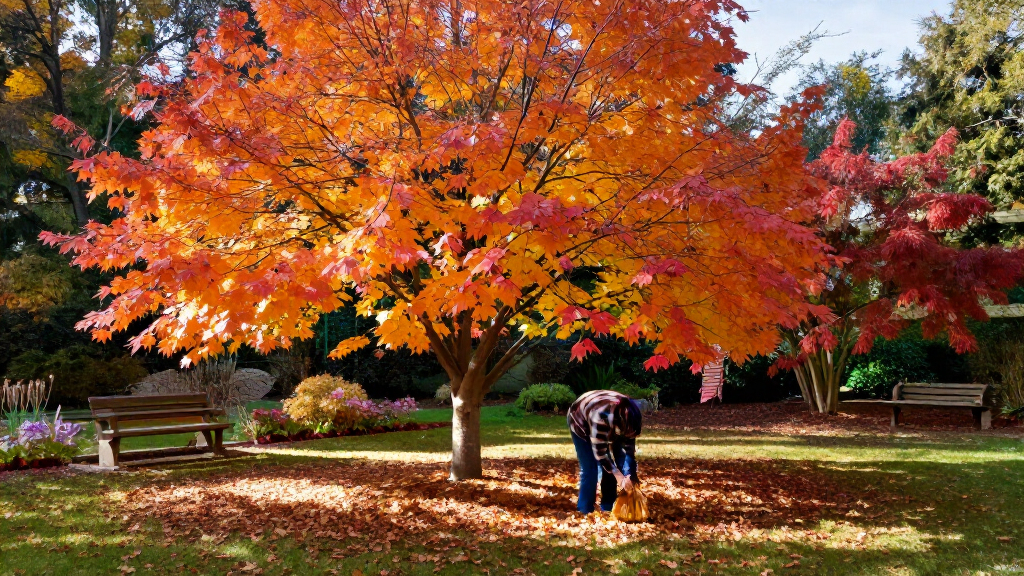
A Gardening Know How report spotlights sourwood (Oxydendrum arboreum), an eastern North American native with autumn foliage in red, burgundy, orange and yellow. The tree also produces fragrant summer flowers that provide nectar for pollinators, but it generally needs acidic, well-drained soil.
Gardening Know How has drawn attention to sourwood (Oxydendrum arboreum) as a native alternative for gardeners seeking autumn color as well as seasonal interest beyond fall. The eastern North American tree can display red, burgundy, orange and yellow leaves, and its fragrant summer flowers provide nectar for bees and other pollinators, according to the report.
Sourwood differs in appearance from Japanese maple, which the report describes as valued for its distinctive foliage and elegant branching. Sourwood has elongated leaves and graceful branches that give it a more woodland-like look. Its autumn colors can put it in the same ornamental conversation, but the report does not provide a measured comparison of color intensity or performance between the two trees.
In early to midsummer, sourwood produces drooping clusters of fragrant, bell-shaped white flowers. The report says the flowers provide nectar for pollinators and are valued by beekeepers; sourwood is also associated with a well-known variety of honey. After flowering, small seed capsules may remain into colder months, while the tree’s patterned bark adds visual interest after leaf fall.
The tree’s growing conditions are a practical consideration. Sourwood naturally occurs in woodland habitats in the eastern United States and generally prefers acidic, well-drained soil. Gardening Know How says it can struggle in alkaline ground or soil that remains waterlogged, and recommends checking soil conditions before planting. It advises pruning only during dormancy and limiting cuts to damaged branches.
A Longer Season of Garden Interest
The appeal of sourwood is not limited to its autumn foliage. Its summer flowers offer nectar for pollinators, and its seed capsules and bark can contribute interest after the leaves have fallen. For gardeners choosing a tree partly for wildlife value, that combination may make sourwood worth investigating alongside more familiar ornamental options.
The report does not suggest Japanese maple has no place in a garden. It says Japanese maples remain a good choice for people seeking finely divided leaves, a sculptural silhouette or a compact specimen. Sourwood is presented instead as an option for those who want a native tree with several seasons of appeal, provided their site suits its soil requirements.
As an affiliate, we earn on qualifying purchases.
How Sourwood Differs From Japanese Maple
The comparison is an editorial gardening recommendation, not a report of a new botanical finding or a formal trial. Gardening Know How focuses on sourwood’s combination of fall color, flowers and winter structure, while noting that Japanese maple offers a different foliage shape and growth habit.
Sourwood’s native range and preferred growing conditions matter to the recommendation. Its suitability will depend on local climate, soil acidity, drainage and the specific planting site. The source gives a general preference for acidic, well-drained soil but does not provide region-by-region planting guidance.
““a native tree that brings several seasons of interest to your yard””
— Gardening Know How
Site Suitability Needs Checking
The source does not specify how well sourwood performs in particular regions, climates or soil types beyond its general preference for acidic, well-drained ground. It also gives no comparative data showing how its fall color measures against Japanese maple, so the claim that it can “outshine” the maple is a matter of gardening judgment rather than a documented ranking.
Readers should also note that the report does not state a specific mature size, growth rate or detailed care schedule. Those factors, along with local conditions, may affect whether sourwood is suitable for an individual yard.
Check Conditions Before Planting
Gardeners considering sourwood can start by checking whether their soil is acidic and drains well, then seek planting guidance suited to their region and site. The report recommends pruning only while the tree is dormant and only to remove damaged branches. It does not identify a forthcoming study, planting program or other development; its practical next step is a site check before purchase.
Key Questions
What is the native tree highlighted in the report?
It is sourwood (Oxydendrum arboreum), a tree native to the eastern United States.
Does sourwood provide more than fall color?
Yes. Gardening Know How says it has fragrant, bell-shaped flowers in early to midsummer, small seed capsules that may persist into colder months, and patterned bark that adds winter interest.
What soil does sourwood generally prefer?
The report says sourwood generally prefers acidic, well-drained soil and can struggle in alkaline or persistently waterlogged ground. Check local conditions before planting.
Does the report say sourwood is better than Japanese maple?
No measured comparison is provided. The article presents sourwood as an alternative for gardeners seeking several seasons of interest, while noting Japanese maple’s distinctive foliage and sculptural form.
Source: rss
Columbus Day / Indigenous Peoples' Day Picks
long weekend sales
As an affiliate, we earn on qualifying purchases.