
TL;DR
A report by Ideal Home says gardening experts recommend native hedges such as hawthorn and hazel for UK gardens, citing their value as wildlife food and shelter and their ability to create shade. Experts also describe potential benefits including trapping some air pollutants and helping soil retain water, though the report provides no measurements of those effects.
Gardening experts quoted by Ideal Home recommend planting a mixed native hedge—including species such as hawthorn and hazel—as a garden feature that can provide food, shelter and shade for wildlife. The report also attributes potential air-pollution and water-retention benefits to hedges, but gives no measurements showing how much pollution a hedge removes or how much flooding it prevents.

Get garden gear delivered free with Prime
- Fast, free delivery on millions of items
- Prime Video, Amazon Music and more included
- Member-only deals all year
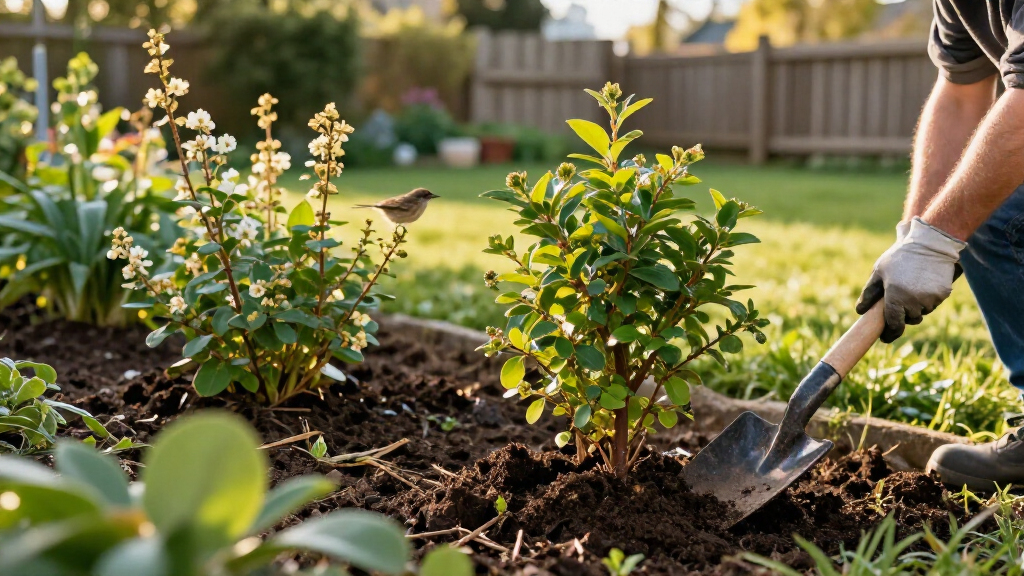
The report defines native hedging as plants native to the UK and names hawthorn, hazel and holly among the options. It presents hawthorn as a fast-growing choice with spring blossom and red autumn berries, while holly offers year-round cover and hazel produces nuts. Environmentalist Nick Mann, founder of Habitat Aid, recommends a well-managed mix rather than relying on a single species. He advises against blackthorn in a garden hedge because, he says, it suckers aggressively.
Horticultural expert Richard Barker, commercial director of LBS Horticulture, says dense, thorny hedges such as hawthorn can give birds a more sheltered place to nest. He also points to leaf litter as cover for insects and small animals, and describes hedges as windbreaks that can shelter insects. Mann says established, managed hedges provide shade and cooler spaces, as well as routes connecting fragmented habitats.
The report also describes wider environmental functions. Mann says hedges can trap larger air particles, absorb carbon dioxide and improve soil’s ability to hold water through their root systems. These are expert statements reported by Ideal Home; the article supplies no study results, figures or comparisons that quantify those benefits. It also recommends traditional hedge laying to maintain a dense barrier, with Barker advising that the work be done during the dormant season, between October and March.
How Hedges Support Garden Wildlife
A hedge can serve as more than a boundary: the experts describe it as habitat, shelter and a wildlife corridor. Blossom, berries and nuts provide food, while some native plants support the larvae of moths and butterflies. Dense growth can offer nesting cover for small birds, and leaf litter can shelter wildlife through colder months. Connecting gardens and other green spaces may also help animals move through areas where habitats are separated.
For householders, the practical appeal is that these functions can come from one established garden feature. A hedge may provide privacy, wind protection and shade while contributing to wildlife habitat. The claimed effects on pollution and flooding are relevant to urban and garden planning, but the source does not establish their scale for an individual property. Benefits will depend on the hedge’s species, size, location and management.
Popular right now

Shark Pet Cordless Stick Vacuum, Up to 40-Minute Runtime, Lightweight, IX141

Apple AirPods Pro 3 Wireless Earbuds with Active Noise Cancellation

Bose QuietComfort Ultra Headphones (2nd Gen), Wireless Noise-Cancelling Over-Ear Headphones with Spatial Audio, Driftwood Sand
As an affiliate, we earn on qualifying purchases.
Choosing and Managing Native Species
Ideal Home places native hedging within a wider interest in wildlife-friendly gardens, alongside measures such as planting bird-feeding plants and creating small ponds. Its central recommendation is to treat the hedge as part of a garden’s basic structure, rather than adding wildlife features only in isolated spots. The supplied report says native plants are suited to UK conditions, but does not provide a comparative trial of native and non-native hedges.
Species selection affects what a hedge can offer. The report describes hawthorn as a common base for mixed native hedges, with spring flowers and autumn haws; holly as a source of year-round cover; and hazel for nuts. Mann also names myrobalan for early blossom, dogwood for autumn colour, buckthorn as food for brimstone butterfly caterpillars, and honeysuckle for hawk-moth caterpillars. These are recommendations from the named expert, not a guarantee that every species will suit every site.
For an established hedge, Barker says traditional laying can create a dense lower barrier and reduce gaps near the ground. He advises trying only a small section without experience and carrying out laying between October and March, when plants are dormant. He recommends professional help for complex hedges, long barriers or gardeners without the necessary experience.
“Hedges of all sorts are proven to reduce air pollution in urban areas. They trap larger particulates, which are then washed away.”
— Nick Mann, environmentalist and founder of Habitat Aid, as quoted by Ideal Home
What the Report Does Not Measure
The supplied report does not give its publication date, identify research behind the environmental claims, or quantify the amount of pollution captured, carbon absorbed or water retained by a hedge. It is not clear how those effects vary by hedge size, species, local pollution levels or soil conditions. The cited experts’ statements should not be read as measurements for every garden.
The report also does not specify planting distances, soil preparation, ongoing costs or a single mix suitable for all UK locations. Its plant suggestions are general advice; gardeners may need to check local growing conditions and the mature size of each species before planting. No specific planning rules or local restrictions are discussed in the supplied material.
Planting and Seasonal Care
Readers considering a native hedge can use the report’s species list as a starting point, then seek advice suited to their site. Its main recommendation is a well-managed mixed hedge, with a choice of plants shaped by the desired balance of cover, flowers, berries and nuts. The source does not set out a universal planting schedule or prescribe a particular supplier.
Anyone planning traditional hedge laying should wait for the dormant season, which Barker places between October and March. He advises inexperienced gardeners to begin with a small section and to hire a professional for complex work or a long hedge. The report gives no further dates or announced follow-up; practical outcomes will depend on planting, local conditions and ongoing maintenance.
Key Questions
Which native hedging plants does the report recommend?
It names hawthorn, hazel and holly, and also discusses myrobalan, dogwood, buckthorn and honeysuckle. The best choice depends on the garden and the wildlife or screening features a gardener wants.
Why does the report recommend a mixed hedge?
Nick Mann recommends a well-managed mix of native species. Different plants can offer different flowers, berries, nuts, foliage and food for insect larvae, although the report does not prescribe one fixed mix.
When should a hedge be laid?
Richard Barker says traditional hedge laying should be done during the dormant season, between October and March. He advises inexperienced gardeners to test a small section first and to seek professional help for complex or long hedges.
Can a native hedge reduce air pollution or flooding?
Mann says hedges can trap larger air particles and that their roots can improve soil’s ability to hold water. The report provides no measurements of either effect, so it does not establish how much a particular hedge would reduce pollution or flooding.
Source: rss