TL;DR

Get garden gear delivered free — and shop member deals
- Fast, free delivery on millions of items
- Access to Prime Big Deal Days deals on October 6–7
- Prime Video, Amazon Music and more included
Online interest in quick methods for ripening green tomatoes at the end of the growing season is spiking as fall arrives. Bringing unripe fruit indoors before the first frost is a long-established practice among home gardeners, but the specific trigger for the current surge in coverage is unconfirmed.
As temperatures drop across much of the Northern Hemisphere, interest in ripening green tomatoes indoors is spiking sharply, according to trend data from garden-related content channels. The surge comes at the predictable point in the calendar when home gardeners face a familiar problem: vines still loaded with unripe fruit and a first frost only weeks away.
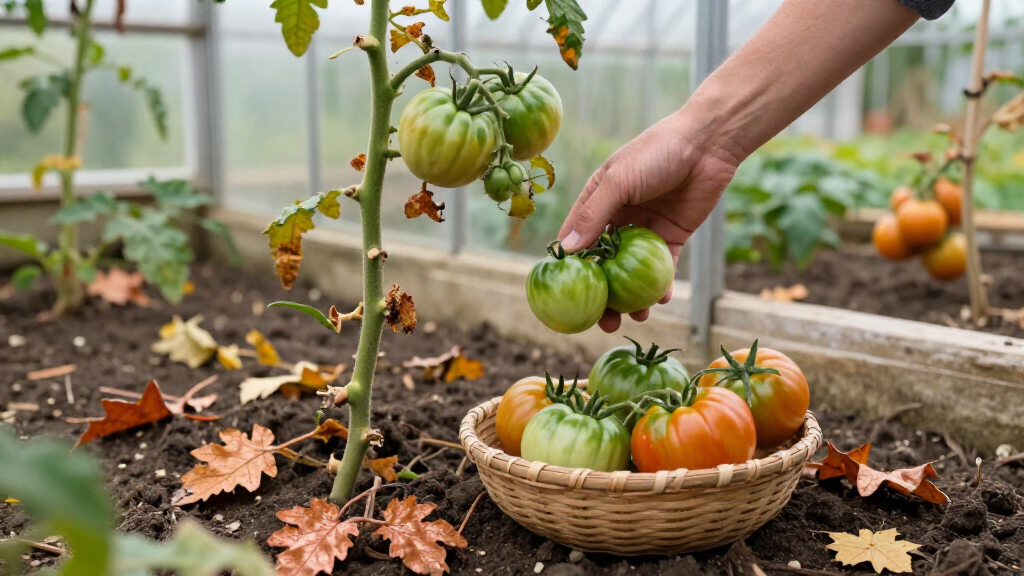
The topic gaining traction is a well-known end-of-season practice rather than a new discovery. When frost threatens, gardeners typically harvest green tomatoes, bring them indoors, and ripen them at room temperature. Horticultural extension services have long documented that tomatoes ripen from the inside out and that ethylene gas, a natural plant hormone the fruit produces itself, drives the process. Tomatoes ripened off the vine generally remain edible, though many gardeners and food writers note the flavor is often milder than vine-ripened fruit.
Common indoor methods described in the coverage now trending include placing green tomatoes in a single layer in a paper bag or cardboard box, sometimes with a ripe banana or apple, which releases additional ethylene and can speed ripening. Warmer room temperatures — generally cited as around 65 to 70 degrees Fahrenheit — accelerate the process, while refrigeration is widely discouraged for unripe tomatoes because cold stalls ripening and degrades texture.
What is confirmed at this point is the spike in search and content interest around these techniques. What is not confirmed is any specific trigger — no new study, product launch, or widely covered gardening event has been identified as the cause. The most plausible explanation is seasonal: interest in end-of-season tomato ripening reliably rises each year as first-frost dates approach in temperate growing regions.
Why Late-Season Ripening Matters Now
For home gardeners, the stakes are straightforward. A single frost can wipe out an entire remaining tomato crop overnight, and many backyard growers report that a large share of their harvest is still green when the season ends. Knowing how to salvage that fruit can translate into weeks of additional eating from plants already planted and tended.
The practice also intersects with broader trends in food waste reduction and home food production, both of which expanded sharply after 2020 and have remained elevated. Throwing out pounds of homegrown tomatoes because of an early cold snap is a loss gardeners are highly motivated to avoid, which helps explain why this content reliably performs each autumn.
For publishers and garden retailers, the pattern is commercially relevant: seed companies and garden-supply sellers typically see seasonal traffic surges around frost-preparedness content, and ripening guides are among the most-shared garden articles in September and October.
How Gardeners Ripen Green Tomatoes
The underlying horticulture is long established. Tomatoes are climacteric fruit, meaning they continue ripening after harvest, responding to ethylene they produce naturally. This is why a green tomato picked before frost will typically turn red on a kitchen counter within one to two weeks, depending on temperature and maturity.
Established guidance, echoed for years by university extension services in the United States and comparable bodies abroad, generally recommends selecting fruit that is mature green — full-sized with a glossy skin and a faint lightening at the blossom end — because very immature fruit often never ripens properly indoors. Gardeners are advised to discard damaged or diseased fruit, wipe the tomatoes clean, and store them out of direct sunlight. Wrapping individual tomatoes in newspaper is a traditional method for slowing the process and stretching the harvest over many weeks rather than ripening everything at once.
Some gardeners also pull entire vines and hang them in a sheltered, frost-free spot, allowing the fruit to ripen slowly on the plant. Others take a different route and simply cook green tomatoes fresh — fried green tomatoes being the classic use — rather than waiting for color to develop.
What the Trend Data Does Not Show
The trigger for the current spike is unconfirmed. The available information shows only that garden-topic interest in this technique is rising; it does not identify a specific viral article, broadcast segment, weather event, or publication driving the surge.
It is also unclear how much of the increased interest reflects ordinary seasonal patterns versus an unusually strong year. Frost dates, regional weather, and the size of this year’s home harvests vary widely, and no comparative baseline for the current interest level has been provided.
Finally, the phrase used in trending coverage — a “simple fall trick” — describes standard practice rather than anything new. Claims that any single method ripens tomatoes dramatically “fast” should be read cautiously: ripening speed depends mainly on fruit maturity and storage temperature, and no verified timeline has been established for the specific content now circulating.
The Frost Countdown for Gardeners
Interest in this topic is expected to remain high until first-frost dates pass across major growing regions, typically from late September through November in the Northern Hemisphere depending on latitude and elevation. Gardeners with unripe fruit will need to make harvest decisions in the coming weeks.
Anyone seeking guidance should consult their local university extension service or equivalent agricultural advisory body, which provides region-specific frost dates and storage advice. As the season closes, coverage is likely to shift toward end-of-season garden cleanup, soil preparation, and planning for spring planting.
Key Questions
Will green tomatoes ripen after being picked?
Yes, if they are mature green — full-sized with glossy skin. Tomatoes continue ripening after harvest because they produce ethylene gas. Very immature fruit often never ripens fully.
What is the fastest way to ripen green tomatoes indoors?
Established guidance recommends placing them in a single layer at room temperature, around 65–70°F, ideally in a paper bag with a ripe banana or apple to add ethylene. Warmer temperatures speed ripening; refrigeration stalls it.
Do indoor-ripened tomatoes taste the same as vine-ripened ones?
Generally not quite. Most gardeners and food writers find indoor-ripened fruit edible but milder in flavor than tomatoes ripened fully on the vine in summer sun.
Should I dig up the whole plant before frost?
Some gardeners pull entire vines and hang them in a frost-free spot so fruit ripens gradually on the plant. This is a long-standing alternative to harvesting individual green tomatoes.
Is this trend tied to any new study or product?
No. The spike appears to be seasonal interest in a well-established practice. No specific study, product, or event has been confirmed as the trigger for the current surge in coverage.
Source: rss
Fall Picks
fall essentials
As an affiliate, we earn on qualifying purchases.