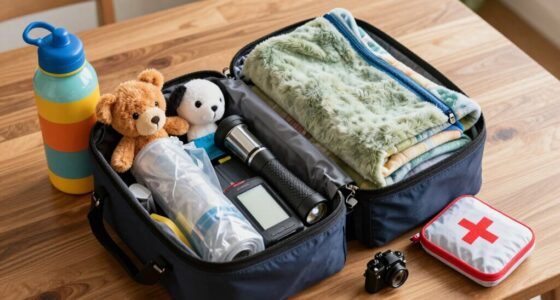
To build a rural pet safety map for evacuation routes, start by identifying the safest, most accessible ways away from hazards like wildfires or floods, considering terrain and road conditions. Mark multiple routes clearly on a map, including critical access points, and practice dry runs with your animals. Keep the map in various accessible locations and include your pets’ identification details. For detailed steps and tips to create an effective plan, continue exploring how to prepare thoroughly.

Get garden gear delivered free with Prime
- Fast, free delivery on millions of items
- Prime Video, Amazon Music and more included
- Member-only deals all year
Key Takeaways
- Identify and mark multiple evacuation routes considering terrain, road conditions, and access points tailored to rural areas.
- Incorporate pet identification details and emergency contacts directly onto the map for quick reference.
- Practice evacuation drills with pets to familiarize them with routes and procedures regularly.
- Share the safety map with family, neighbors, and community resources for coordinated emergency response.
- Keep digital and physical copies of the map accessible in various locations for swift evacuation.

Creating a rural pet safety map for evacuation routes is an essential step in protecting your animals during emergencies. When disaster strikes, having a clear plan can mean the difference between a safe return or losing your pets. To start, you need to identify the most efficient routes that lead away from potential hazards like wildfires, floods, or storms. Map out several routes, considering the terrain, road conditions, and access points, and mark them clearly for quick reference. This way, in a crisis, you won’t waste time figuring out how to get your animals to safety.
Pet identification plays a critical role in this process. Before creating your map, make sure every pet has proper identification, such as collars with tags, microchips, or both. This makes it easier for emergency responders or shelters to reunite you with your animals if they get separated. Incorporate this information into your safety plan by assigning each pet a specific spot on your map, along with their identification details. During an evacuation, you’ll want to keep these details handy, whether on paper or digitally, so you can provide quick info to authorities or pet rescue teams.
Emergency preparedness isn’t just about having a map—it’s about practicing it regularly. Once your routes are mapped out, do dry runs with your animals, gradually increasing the complexity of the evacuation. This helps your pets become familiar with the process and reduces panic during an actual emergency. Practice loading your pets into carriers or crates, and make sure your vehicle is stocked with essentials like water, food, and comfort items. Keep your pet identification records in a waterproof container, easily accessible during emergencies. Additionally, understanding emergency evacuation routes and how to navigate them can greatly improve your response time in a crisis. Having a well-practiced plan ensures you can act swiftly and confidently when it matters most.
To enhance your preparedness, consider researching local hazards and potential threats specific to your rural area, which can influence your route planning and safety measures. Creating a communication plan that includes who to contact and where to meet if you get separated is also crucial. Share your rural pet safety map with family members, neighbors, or trusted friends, so everyone knows the routes and procedures. Keep copies of the map in multiple locations—your home, vehicle, and digital devices—so you always have access. Recognizing the importance of community support can make a significant difference during emergencies. Remember, a well-prepared plan minimizes chaos and ensures your animals receive prompt assistance. Combining effective pet identification with solid emergency preparedness makes your rural safety map a powerful tool, giving you peace of mind that your pets are protected and ready to be evacuated swiftly whenever needed.
As an affiliate, we earn on qualifying purchases.
Frequently Asked Questions
What Types of Pets Should Be Prioritized on the Safety Map?
You should prioritize household pets like dogs, cats, and small animals, as they’re most likely to need immediate sheltering and evacuation. Include wildlife protection measures for local species vulnerable during emergencies, and identify nearby pet shelters for sheltering. By focusing on these pets, you help guarantee their safety and support wildlife conservation efforts, making your safety map thorough and effective during emergencies.
How Often Should the Safety Map Be Updated?
You should update your safety map at least once a year, or more often if conditions change dramatically—like new roads or hazards popping up overnight! Establish a regular maintenance schedule to keep it reliable. Regular updates guarantee your pet evacuation routes stay current, preventing disaster during emergencies. Don’t let outdated info turn your rescue plan into a wild goose chase; stay vigilant and keep your map fresh!
What Funding Options Are Available for Rural Pet Evacuation Planning?
You can explore various funding sources like local government grants, nonprofit organizations, and community fundraising to support your rural pet evacuation planning. Grant opportunities specifically target animal safety and disaster preparedness, so applying for these can provide essential funds. Additionally, partnering with local businesses or seeking donations from residents can boost your resources. Combining these options helps guarantee you have the necessary financial support to develop and maintain effective evacuation routes.
How Can Volunteers Assist With Pet Evacuation Efforts?
You can help by volunteering your time, coordinating with local shelters, and spreading awareness. Your role in volunteer coordination guarantees smooth evacuation efforts, while emergency training equips you to handle pets safely and confidently. As a volunteer, you’ll assist in rescuing animals, guiding pet owners, and distributing supplies. Your active participation creates a resilient community, where every volunteer’s effort helps protect pets during emergencies, ensuring no pet is left behind.
Are There Legal Requirements for Pet Evacuation During Emergencies?
You need to understand that legal requirements for pet evacuation during emergencies vary by location, so researching local laws is essential. Ensuring legal compliance helps protect you from liability concerns if something goes wrong. You should also coordinate with local authorities to confirm your plans align with regulations. Being informed about legal obligations not only safeguards everyone involved but also enhances the safety and well-being of pets during evacuations.
Conclusion
By creating a rural pet safety map, you’re not just planning—you’re building a lifeline that could save your pet’s life in an instant. Think of it as a superhero cape, wrapping your furry friend in safety and security during emergencies. With a clear, detailed map in hand, you’ll be ready to navigate even the wildest storms, turning chaos into calm. Your proactive steps can turn disaster into a manageable event, ensuring your pet’s safety is never left to chance.
Columbus Day / Indigenous Peoples' Day Picks
long weekend sales
As an affiliate, we earn on qualifying purchases.