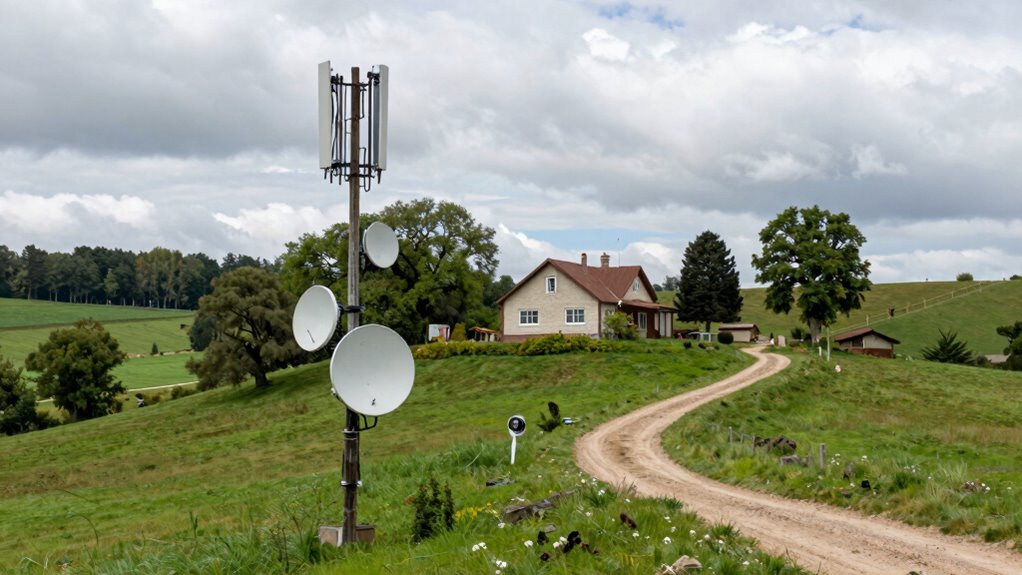

To build a reliable backup internet system for your rural home, start by identifying your weakest points, like satellite latency or weak mobile signals. Test these areas at different times to understand their reliability and limitations. Knowing these weak spots helps you choose the best backup options, such as using mobile for real-time activities or satellite for downloads. If you’re curious about improving your setup, there’s more to explore that can boost your connection resilience.
Open a free Amazon Business account
Business pricing, bulk buying and tax-exempt orders.
As an affiliate, we earn on qualifying purchases.
Key Takeaways
- Identify whether satellite latency or mobile signal strength is the primary limitation in your area.
- Conduct thorough tests at different times to assess real-world network performance and reliability.
- Understand the specific limitations of each backup option, such as high latency or weak mobile signals.
- Use testing results to select suitable backup solutions, like signal boosters or secondary wired connections.
- Combine multiple backup methods to ensure continuous connectivity during outages or performance issues.
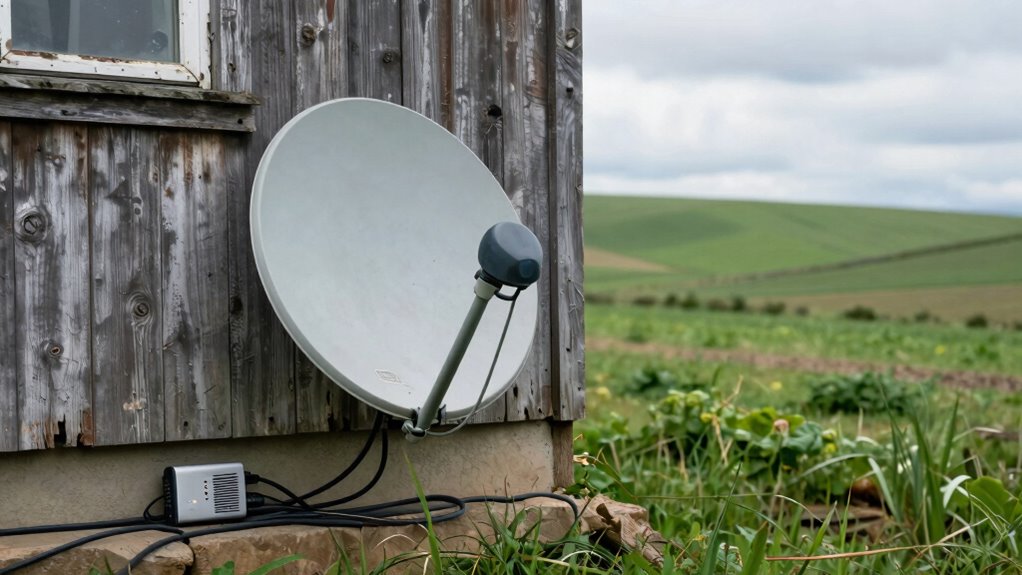
Have you ever experienced a sudden internet outage just when you needed it most? It’s frustrating, especially if you rely on your connection for work, streaming, or staying in touch with loved ones. In rural areas, these interruptions can feel even more disruptive because your options for quick fixes are limited. To build a reliable backup internet system, you first need to identify your weak points—whether it’s satellite latency or mobile signal strength—so you can choose the right solutions.
Satellite internet can be a lifesaver when other options fall short, but it comes with its own challenges. One key issue is satellite latency, which is the delay in data transmission caused by the long distance signals must travel to and from satellites orbiting Earth. This delay can make real-time activities like video calls or online gaming feel sluggish or choppy. If your satellite connection is your primary backup, knowing its latency level helps you set realistic expectations and decide whether it’s suitable for your needs. Meanwhile, mobile signal strength can vary greatly depending on your location. If you live in a remote area with weak cellular signals, your mobile hotspot or cellular backup might be unreliable or slow, especially during peak usage times. Conducting a signal strength test at different times of day can give you a clearer picture of what’s available when you need it most. Understanding these weak points also involves network performance testing, which can help determine the actual reliability of your backup options. Additionally, researching reliable backup solutions tailored for rural settings can help you choose the most sustainable options for your environment. Recognizing the limitations of each method can aid in creating a more comprehensive backup strategy.
Satellite latency affects real-time activities; test mobile signals at different times to identify reliable backup options.
Knowing your weak points also includes understanding the cost implications of different backup options, so you can plan a budget that balances reliability and affordability. Recognizing these factors ensures your backup system remains sustainable over time.
Understanding these weak points allows you to plan effectively. For example, if satellite latency is high, you might want to reserve satellite as a backup primarily for downloads or non-time-sensitive tasks. For activities requiring real-time response, like video conferencing, a mobile signal with solid strength might be more suitable. If your mobile signal is weak but still somewhat usable, investing in a signal booster or antenna can enhance your connectivity. Combining these options ensures you won’t be left completely offline during outages. Additionally, exploring other backup options such as fixed wireless or even a secondary wired connection—if feasible—can further strengthen your internet resilience. Recognizing the biodiversity of available options can lead to more tailored and sustainable solutions for rural connectivity.
Ultimately, knowing your weak points is the first step toward creating a robust backup system. By understanding the limitations of satellite latency and mobile signal strength, you can choose the right mix of solutions tailored to your specific situation. This proactive approach ensures that when your primary connection falters, you’re not caught unprepared, keeping you connected no matter what.

Cell Phone Signal Booster for Home Rural Metal Building Camping, Up to 6000 Sq.Ft, Compatible with T-Mobile AT&T US Cellular, Boost 4G LTE 5G Band 2/4/5/12/17/25/66, FCC Certified Cellular Repeater
- Multi-Room Coverage: Up to 6,000 sq.ft. coverage with 2 ports
- Eliminate Dead Zones: Boosts 4G LTE, 5G signals indoors
- Compatible Networks: Works with T-Mobile, AT&T, US Cellular, Verizon
As an affiliate, we earn on qualifying purchases.
As an affiliate, we earn on qualifying purchases.
Frequently Asked Questions
How Do I Test My Current Internet Speed Accurately?
To test your current internet speed accurately, start by performing a reliable speed test using websites like Ookla or Fast.com. Make sure no other devices are using the connection during the test to get precise results. Repeat the test at different times of the day to check connection reliability. This helps you understand your actual download, upload speeds, and consistency, which are essential for identifying your weak points and planning backup options.
What Are the Costs Associated With Backup Internet Options?
Think of backup internet options as different lifeboats. Satellite reliability varies, with costs around $100-$200 monthly, offering broad coverage but sometimes lagging. Mobile hotspots are like quick escape boats, costing $50-$100 monthly, with data limits to watch. Your choice depends on your needs and budget. Consider these costs carefully, so when your main connection falters, you’re prepared with the right backup, like a sturdy lifeboat ready to sail.
Can Backup Internet Improve My Overall Primary Connection?
Yes, backup internet can improve your overall primary connection by providing redundant connectivity, ensuring you stay online even if your main service drops. It boosts signal reliability, reducing downtime and frustration. When you have a backup, you’re less vulnerable to outages, and your internet remains stable for work, streaming, or emergencies. This seamless switch enhances your primary connection’s dependability, giving you peace of mind and consistent online access.
How Long Does Backup Internet Typically Last During Outages?
During an outage, backup internet typically lasts anywhere from a few hours to several days, depending on your power source. If you rely on a battery backup or generator, your signal strength remains stable longer. Without power, your backup internet will disconnect once the battery drains or the generator stops. To guarantee continuous access, consider a reliable power source and monitor your backup system’s capacity to match your needs during power outages.
Are There Government Programs Aiding Rural Internet Backup Solutions?
Yes, there are government programs supporting rural internet backup solutions. You can access government grants and participate in rural initiatives aimed at enhancing connectivity. These programs help fund backup internet options like satellite, fixed wireless, or mobile hotspots, ensuring you stay connected during outages. Check with local agencies or federal resources to find available grants and initiatives tailored to your area, making reliable backup internet more affordable and accessible.
Conclusion
Knowing your weak points is the first step to reliable backup internet for your rural home. Don’t wait until you’re caught off guard—identify those vulnerable spots now and put a plan in place. Remember, a chain is only as strong as its weakest link, so strengthen yours before disaster strikes. With the right backup, you’ll stay connected no matter what, proving that preparation truly pays off in the long run.
Flea & tick season Picks
flea and tick prevention
As an affiliate, we earn on qualifying purchases.