
During winter storms, the risk of carbon monoxide buildup increases because your heating sources like furnaces, fireplaces, and backup heaters are used more often, often in poorly ventilated spaces. Malfunctions or improper venting can lead to dangerous, odorless CO accumulating indoors without your knowing. Detectors are essential in this season for early alerts, helping you stay safe. Keep your systems maintained, and you’ll be prepared for winter’s hidden hazards—there’s much more to take into account for your safety.

Get garden gear delivered free with Prime
- Fast, free delivery on millions of items
- Prime Video, Amazon Music and more included
- Member-only deals all year
Key Takeaways
- Winter reliance on indoor heating increases the risk of dangerous carbon monoxide buildup from malfunctions or improper ventilation.
- Power outages during storms lead to increased use of backup heaters, raising CO exposure risks indoors.
- Sealed homes for warmth reduce fresh air circulation, trapping carbon monoxide and other pollutants without proper detection.
- Detectors provide essential early warnings since CO is odorless and tasteless, especially critical during storm-related power outages.
- Regular maintenance and correct placement of detectors ensure they function properly when most needed during winter storms.
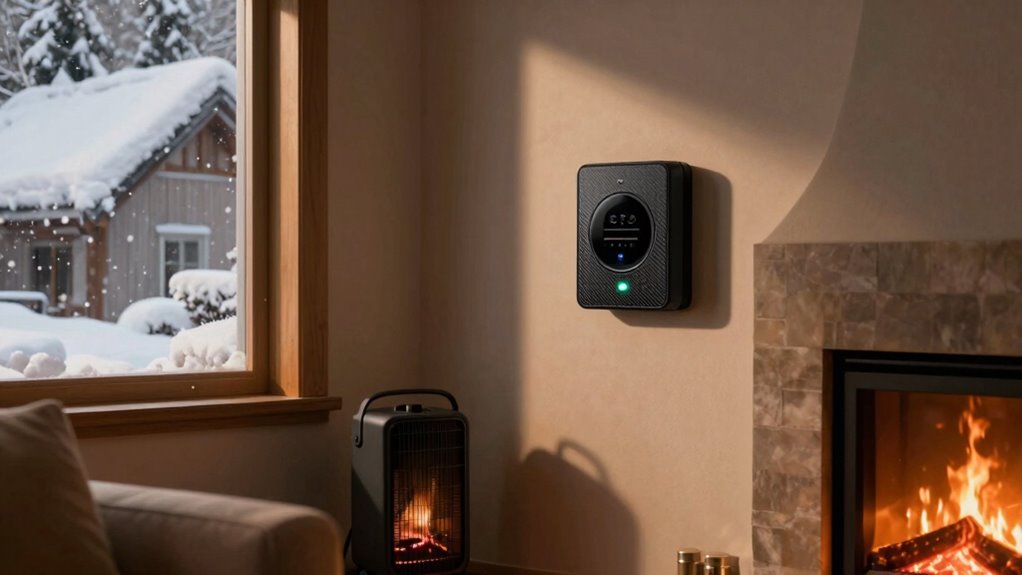
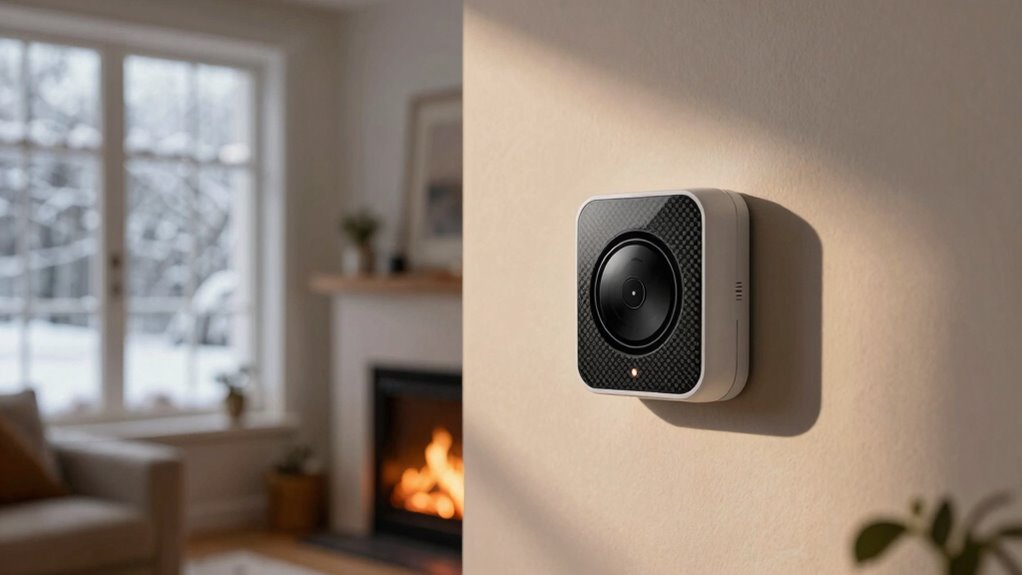
As winter settles in, the risk of carbon monoxide poisoning rises, especially as you rely more on heating sources that can produce this invisible, odorless gas. During colder months, you might crank up your furnace, use a portable heater, or even keep your fireplace burning longer. While these methods keep you warm, they also increase the chance of carbon monoxide building up indoors if something goes wrong. That’s why having a working carbon monoxide detector is essential to protect your indoor air quality. These detectors are your first line of defense, alerting you early enough to prevent poisoning before symptoms set in. Without one, you might not realize you’re in danger until it’s too late.
Your awareness of emergency preparedness plays a critical role here. When winter storms hit, power outages are common, and backup heating devices become tempting but risky if not used correctly. Gas-powered generators, space heaters, or kerosene heaters can release dangerous gases if they’re not ventilated properly. A carbon monoxide detector acts as a safety net, giving you peace of mind during these stressful times. It’s not enough to just have one; you need to make sure it’s installed correctly and maintained regularly. Checking batteries and testing the device monthly can make all the difference, especially in winter when you’re more vulnerable.
Ensure your carbon monoxide detector is properly installed and tested regularly for safe winter heating.
Indoor air quality declines when you seal your home tightly against the cold, which can trap pollutants, including carbon monoxide. It’s easy to forget that the same insulation that keeps you warm can also prevent fresh air from circulating. This makes your home more susceptible to dangerous gas buildup if your heating appliances malfunction. Having a detector in key areas—like near bedrooms and heating sources—helps monitor these risks continuously. Remember, carbon monoxide doesn’t have a smell or taste, so relying solely on your senses isn’t enough. An alarm can save your life by providing an early warning if levels become unsafe. Additionally, some modern air quality monitors can detect multiple indoor pollutants, offering an extra layer of protection. Proper ventilation practices, such as opening windows during specific times or using exhaust fans, can significantly reduce indoor pollutant concentrations and improve overall air safety, especially during winter when homes are more sealed. Regularly maintaining your heating equipment is also crucial to prevent malfunctions that could lead to dangerous emissions. Being aware of the signs of carbon monoxide poisoning, such as headaches, dizziness, or nausea, can also help you respond quickly if an issue arises. Staying vigilant about indoor air quality and understanding the risks can help prevent silent hazards from turning deadly during the winter months.
carbon monoxide detector for winter storms
As an affiliate, we earn on qualifying purchases.
As an affiliate, we earn on qualifying purchases.
Frequently Asked Questions
How Often Should I Test My Carbon Monoxide Detector?
You should test your carbon monoxide detector at least once a month to guarantee alarm maintenance is up to date. Regular testing helps confirm the detector’s proper function and extends its lifespan. Don’t forget to replace batteries annually and check the detector’s expiration date, usually every 5-7 years. Staying vigilant with these steps keeps you protected, especially during winter storms when the risk of carbon monoxide buildup increases.
Can Battery-Powered Detectors Work During Power Outages?
Ever wonder if your battery-powered detector can keep you safe during a power failure? Yes, it can—if it has a battery backup. During winter storms or outages, a battery backup ensures your carbon monoxide detector continues to work, alerting you to danger even when the power’s out. Don’t rely solely on your home’s electricity; make certain your detector has fresh batteries and a reliable backup. Stay protected!
Are There Different Types of Carbon Monoxide Detectors?
Yes, there are several types of carbon monoxide detectors, including plug-in models, battery-powered units, and combination detectors that also monitor smoke. To guarantee your detector stays reliable, follow proper detector maintenance by testing it regularly and replacing batteries as needed. During installation, follow tips like placing detectors on every level and near sleeping areas to maximize safety. Proper installation and upkeep are essential, especially during winter storms when CO buildup risks increase.
What Is the Recommended Placement for Detectors in My Home?
For maximum home safety, you should place detectors near sleeping areas and on every level of your home, especially in the basement and garage. Keep them at least 15 feet away from fuel-burning appliances to prevent false alarms. Mount detectors at eye level or slightly higher on the wall or ceiling. Proper detector placement guarantees early warning of carbon monoxide, protecting you and your loved ones during winter storms and beyond.
How Long Do Carbon Monoxide Detectors Typically Last?
Most carbon monoxide detectors last about 5 to 7 years. To guarantee seasonal safety, you should regularly check and replace batteries and perform detector maintenance. Keep an eye on the detector’s expiration date and follow manufacturer instructions for replacement. Regular testing helps maintain safety, especially during winter storms when heating devices increase CO risk. Don’t forget to replace detectors as needed to keep your home safe year-round.
Conclusion
Don’t wait until it’s too late to install a carbon monoxide detector. Even if you think your heating methods are safe, winter storms can cause power outages or malfunctions that increase CO risks. Some might say detectors aren’t necessary, but prevention is worth it—especially when your family’s safety depends on it. Stay proactive this winter. Install a detector today, and breathe easy knowing you’re protected from hidden dangers during the stormy season.
Halloween Picks
halloween
As an affiliate, we earn on qualifying purchases.