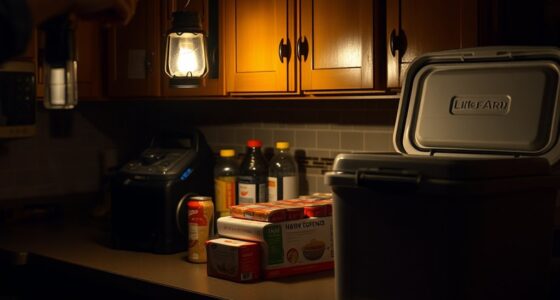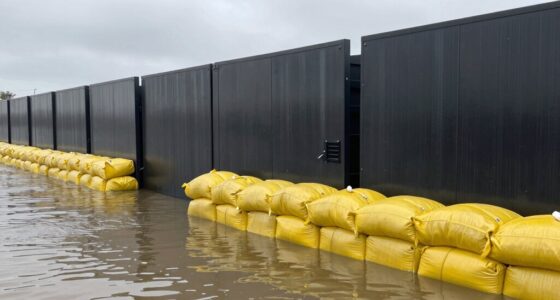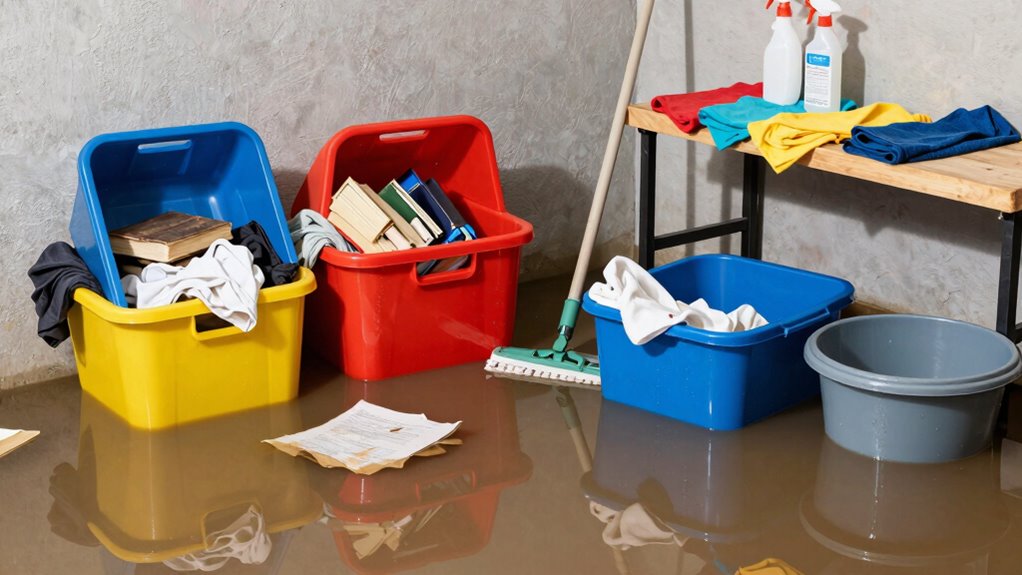

To start flood cleanup, turn off electricity and water, then wear protective gear. Toss out porous and contaminated items like drywall, carpeting, and upholstery, sealing them in bags for disposal. Dry surfaces quickly using fans, dehumidifiers, and ventilation, paying special attention to hidden spaces behind walls and under cabinets. Sanitize surfaces with EPA-approved disinfectants to prevent mold and bacteria. Keep moisture levels low to avoid future issues—continue for more detailed steps to restore your home safely.

Get garden gear delivered free — and shop member deals
- Fast, free delivery on millions of items
- Access to Prime Big Deal Days deals on October 6–7
- Prime Video, Amazon Music and more included
Key Takeaways
- Turn off electricity and water before beginning cleanup to ensure safety.
- Remove and discard porous, water-damaged items like drywall, carpeting, and upholstery.
- Dry all affected surfaces and belongings quickly using fans, dehumidifiers, and open windows.
- Disinfect surfaces and fixtures with EPA-approved solutions to eliminate mold, bacteria, and viruses.
- Properly dispose of contaminated debris in sealed bags and control humidity to prevent mold growth.
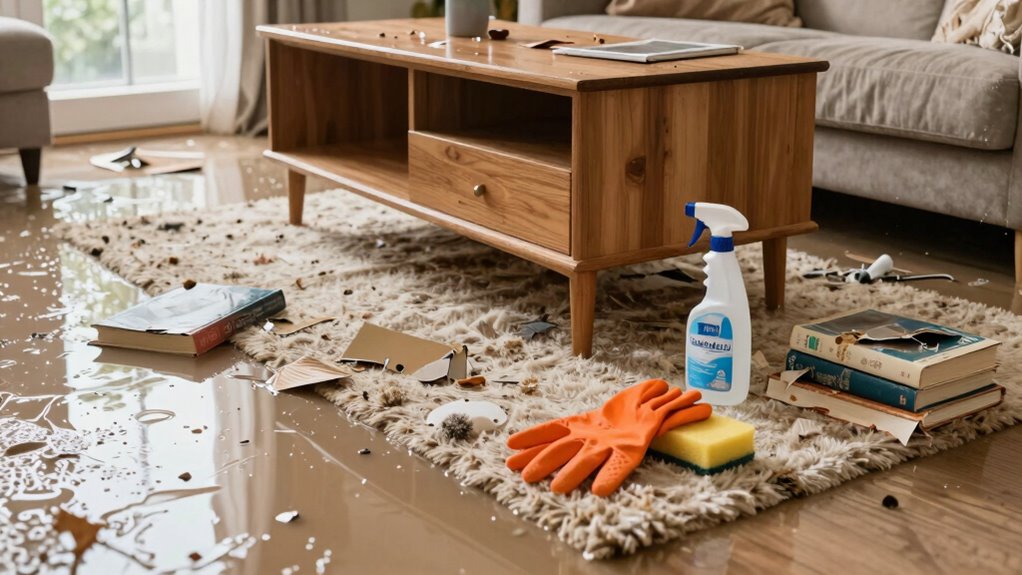
Have you ever wondered what it takes to effectively clean up after a flood? The process can seem overwhelming, but knowing where to start makes a big difference. First, you need to prioritize safety. Turn off electricity and water to prevent accidents, and wear protective gear like gloves, masks, and boots. Once you’re safe, begin by removing water-damaged belongings and materials that can’t be salvaged. Start with porous items like upholstery, drywall, and carpeting, which often harbor mold and bacteria. Discard these items safely, following local disposal regulations. Proper disposal is essential to prevent health hazards and to guarantee contaminated materials don’t cause further issues.
After removing the obvious debris, focus on drying out the affected areas thoroughly. Moisture creates the perfect environment for mold growth, so it’s vital to dry everything as quickly as possible. Use fans, dehumidifiers, and open windows to promote air circulation. The faster you dry out walls, floors, and furniture, the better your chances of mold prevention. Keep an eye on hidden spots like behind drywall or under cabinets, where moisture can linger and foster mold growth over time. Mold prevention isn’t just about cleaning; it’s about controlling humidity and moisture levels to stop mold from taking hold in the first place. Additionally, using proper ventilation can significantly improve air quality and reduce residual humidity in your space. Understanding moisture control techniques can make a significant difference in preventing long-term damage. Being aware of mold growth triggers helps in implementing proactive strategies to keep your home safe after a flood. Remember, the presence of contaminated materials can also contribute to ongoing health risks if not handled properly.
Once the area is dry, it’s time to disinfect. Use EPA-approved cleaning solutions to sanitize all surfaces that came into contact with floodwater. This step helps eliminate bacteria, viruses, and fungi that could pose health risks. Pay special attention to sinks, countertops, and bathroom fixtures, as these are common breeding grounds for germs after a flood. Be thorough but cautious, following manufacturer instructions and ventilating the space well during cleaning. Proper disinfection reduces the risk of mold and microbial growth down the line, saving you potential future headaches.
Throughout the cleanup process, remember that safe disposal is vital to preventing contamination. Dispose of debris, contaminated materials, and saturated items in sealed bags or containers, and follow your local guidelines for flood waste. Keeping contaminated items out of your living space and away from other belongings minimizes health risks and helps maintain a cleaner environment. By drying, disinfecting, and disposing of flood debris properly, you’re taking essential steps to restore your home safely. Staying vigilant about mold prevention throughout this process guarantees that your cleanup efforts lead to a healthier, safer space once the floodwaters recede.
Flood damage drywall removal tools
As an affiliate, we earn on qualifying purchases.
As an affiliate, we earn on qualifying purchases.
Frequently Asked Questions
How Do I Identify Hidden Water Damage Behind Walls?
To identify hidden water damage behind walls, start with drywall inspection and wall moisture detection. Look for signs like bubbling, warping, or discoloration on the surface. Use a moisture meter to check for elevated moisture levels in the wall. If you notice these indicators, remove a section of drywall to inspect further. Acting quickly helps prevent mold growth and structural damage, ensuring your home stays safe and dry.
Are There Specific Safety Gear Requirements for Flood Cleanup?
Yes, there are specific safety gear requirements for flood cleanup. You should wear personal protective equipment like waterproof gloves, boots, and eye protection to prevent contact with contaminated water. A mask or respirator is advisable to avoid inhaling mold spores or hazardous particles. Always follow safety precautions, including ensuring proper ventilation and avoiding electrical hazards, to protect yourself during cleanup. Prioritizing safety keeps you safe while restoring your space.
How Long Should I Wait Before Re-Entering a Flood-Affected Building?
Did you know that most flood damage isn’t fully visible for days? You should wait at least 24 to 48 hours before re-entering a flood-affected building. During this time, water mitigation efforts are critical, and flood insurance can help cover repairs. Make certain the area is thoroughly dry, safe, and free of hazards before re-entry. Always consult local authorities and professionals to confirm it’s safe to return.
Can I Use Household Cleaning Products to Disinfect Flood-Affected Areas?
Yes, you can use household disinfectants to clean flood-affected areas, but make certain they are effective sanitizers. Look for products with EPA registration and make sure you follow the label instructions for proper use and contact time. Household disinfectants like bleach solutions can work well for disinfecting surfaces, but always wear gloves and ensure good ventilation. For thorough sanitation, consider using specialized flood disinfectants if recommended.
What Are the Signs of Mold Growth After Flooding?
You’ll notice signs of mold growth as fuzzy or slimy patches, often gray, green, or black, appearing on walls, ceilings, or other damp surfaces. To prevent mold, focus on moisture control by drying out all affected areas quickly and thoroughly. Keep humidity low, use fans or dehumidifiers, and fix leaks promptly. Regularly inspect areas prone to moisture to catch mold early and prevent it from spreading further.
Conclusion
Think of flood cleanup like tending a wounded garden. You must gently remove the damaged plants, clear away the debris, and nurture the soil back to health. Every item you dry, toss, or disinfect is a step toward healing your home’s heart. Though the process feels overwhelming, your careful efforts restore hope and strength, turning devastation into renewal. With patience and care, you’ll soon see your home bloom again, resilient and ready for new beginnings.
Fall yard work Picks
leaf blowers
As an affiliate, we earn on qualifying purchases.