To forage wild edibles safely, focus on accurate plant identification by using reliable guides and consulting experienced foragers, never guessing or assuming. Always research local laws and obtain permission if needed, respecting property rights and conservation efforts. Use clean tools when harvesting, avoid overharvesting, and be aware of potential toxins or allergies. Practicing sustainable techniques guarantees ecosystems remain healthy. Keep safety in mind with first aid knowledge and proper handling—continue exploring to learn more about safe foraging techniques.

Get garden gear delivered free with Prime
- Fast, free delivery on millions of items
- Prime Video, Amazon Music and more included
- Member-only deals all year
Key Takeaways
- Properly identify plants and fungi using reputable guides or expert advice before foraging.
- Research local laws and obtain necessary permissions to forage legally and ethically.
- Use clean tools and harvest sustainably, avoiding overharvesting and environmental damage.
- Never consume wild edibles without absolute certainty of safety; avoid toxic look-alikes.
- Carry a first aid kit and know poisoning symptoms to respond quickly to potential health risks.
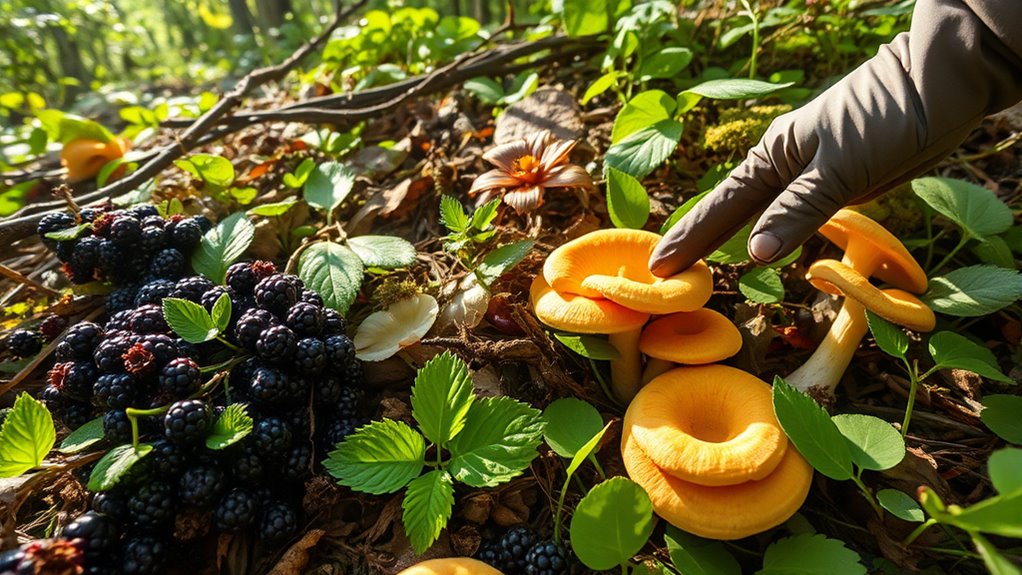
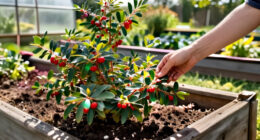
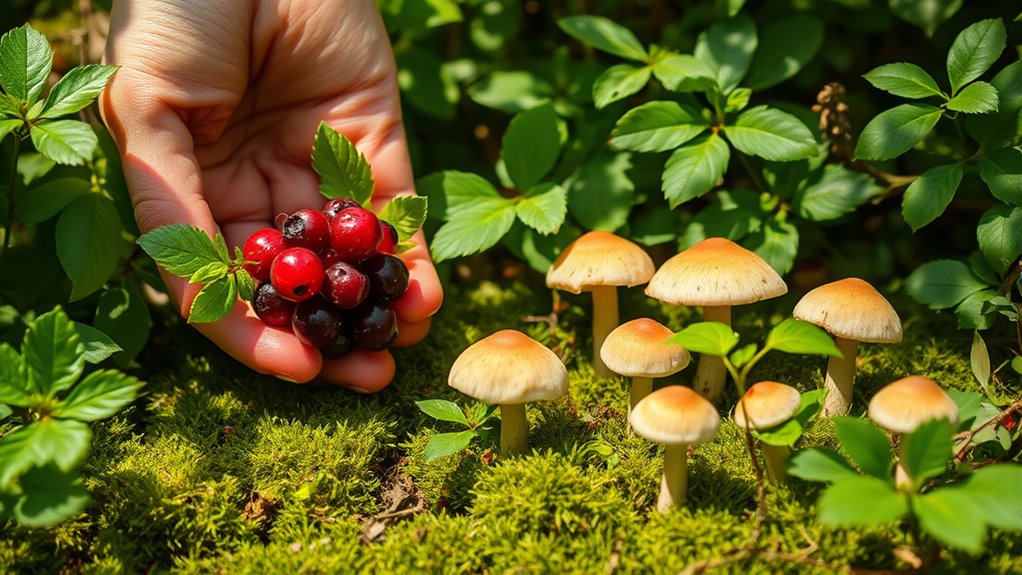
Foraging for wild edibles can be a rewarding way to connect with nature and expand your culinary options, but it’s essential to prioritize safety every step of the way. The first vital step is mastering plant identification. Before you pick any berries, mushrooms, or greens, you need to be absolutely sure of what you’re collecting. Many edible plants have toxic look-alikes, so take your time to learn how to distinguish them accurately. Use reputable field guides, attend foraging workshops, or seek guidance from experienced foragers. Developing a keen eye for plant identification minimizes the risk of accidentally consuming something harmful. Remember, a small mistake can lead to serious health issues, so never guess or assume—always verify.
Master plant identification to forage safely and avoid dangerous look-alikes.
Alongside identifying the plants correctly, you must also be aware of legal considerations. Foraging in public lands or private property without permission can lead to legal trouble. Many parks and protected areas have regulations against removing plants or fungi, and some species are protected due to conservation efforts. Before you start foraging, research the local laws and regulations to guarantee you’re collecting legally. If you’re on private land, always obtain permission from the landowner. Respect for laws and property rights isn’t just about avoiding fines—it’s about preserving ecosystems and maintaining sustainable foraging practices. Properly understanding these legal considerations helps you forage responsibly and ethically. Additionally, being aware of conservation guidelines can help you support the health of wild populations and ecosystems.
Once you’ve confirmed the plant’s identity and checked that it’s legal to harvest, you can focus on harvesting techniques. Use clean tools and avoid damaging the plants more than necessary. Be mindful of the environment; don’t overharvest or strip an area of its resources. Leave enough for wildlife and future foragers. Always double-check the plant’s edibility before consuming it—certain plants might be safe to touch but not to eat. If you’re uncertain, it’s best to err on the side of caution or consult an expert. Additionally, understanding sustainable foraging practices ensures that you are helping conserve natural resources while enjoying wild edibles. It’s also wise to be aware of market demand for certain foraged items, as overharvesting can threaten local populations. Being aware of wild edible safety is crucial for avoiding health risks associated with misidentification or ingestion of toxic species. Moreover, understanding local ecology can help you identify which plants are invasive species that may be beneficial to remove or control.
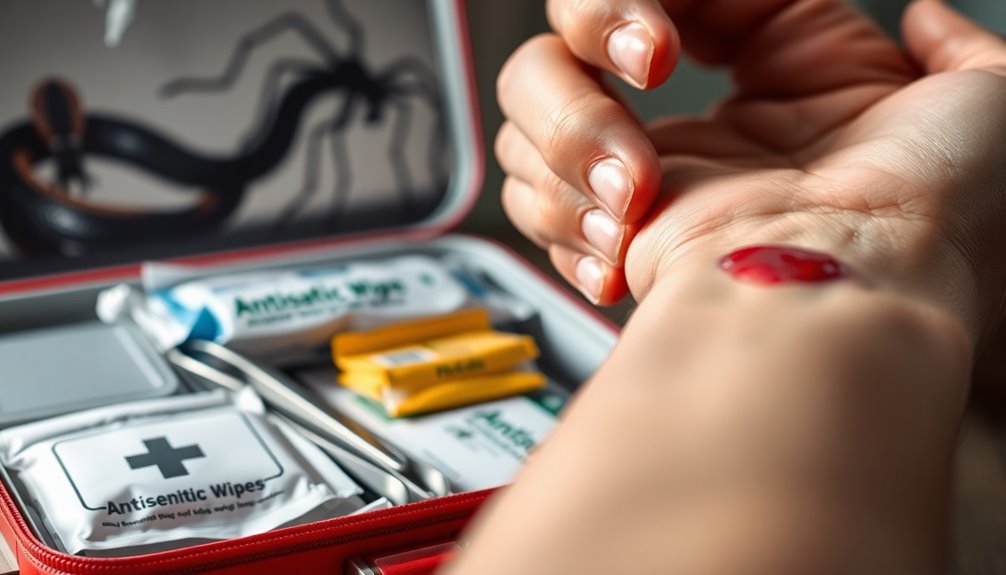
Safety also involves being prepared for potential allergic reactions or poisoning. Carry a basic first aid kit and know the symptoms of poisoning from common wild edibles. In case of accidental ingestion of a toxic plant, seek medical help immediately. Never consume wild mushrooms unless you’re 100% sure they’re safe—mushroom poisoning can be fatal. The combination of accurate plant identification, understanding legal considerations, and practicing responsible harvesting ensures that your foraging adventures are both enjoyable and safe. By respecting these guidelines, you’ll develop a sustainable, rewarding foraging practice that keeps you safe and preserves nature’s bounty.
wild edible plant identification guide
As an affiliate, we earn on qualifying purchases.
As an affiliate, we earn on qualifying purchases.
Frequently Asked Questions
How Can I Identify Edible Versus Toxic Wild Plants?
To identify edible versus toxic wild plants, you need good plant identification skills. Pay close attention to key features like leaf shape, color, and growth patterns. Always compare potential lookalikes to trusted guides, since many plants have toxic lookalikes. Never consume a plant unless you’re 100% sure of its identity. When in doubt, consult experts or local foraging groups to avoid dangerous mistakes.
Are There Seasonal Best Times for Foraging Specific Edibles?
Ironically, Mother Nature has her own schedule for seasonal harvests. You’ll find that the best times for foraging specific edibles align with their peak ripeness, making these best foraging times ideal for gathering. Spring offers greens and early berries, while summer is perfect for mushrooms and berries. Fall brings a bounty of nuts and hearty greens. Knowing these seasonal windows helps you maximize your harvest and enjoy wild edibles at their freshest.
What Tools Are Essential for Safe Foraging?
When foraging, you need essential foraging gear and safety gear to stay safe and successful. Pack a sharp knife for harvesting, a basket or mesh bag to carry your finds, and a guidebook to identify edibles accurately. Wear gloves to protect your hands and carry a first aid kit for emergencies. A compass or GPS helps navigate, while waterproof clothing keeps you dry. These tools guarantee a safe, enjoyable foraging experience.
How Do I Avoid Contamination and Pollutants?
To avoid contamination and pollutants, you should start by choosing foraging sites away from busy roads or industrial areas, where soil contamination is more likely. Always perform pollutant testing on the soil if you’re unsure about its safety. Wash all gathered edibles thoroughly, scrubbing if necessary, and peel or cook them when possible. Staying informed about local pollution reports helps guarantee your foraged foods are safe to eat.
Can Children Safely Participate in Foraging Activities?
Like a delicate butterfly learning to navigate a garden, children can safely participate in foraging if you prioritize child safety and proper foraging education. You guide their curiosity, teaching them to identify safe edibles and avoid hazards. Always supervise closely, choose age-appropriate activities, and emphasize respect for nature. With careful planning, children develop valuable skills while enjoying the outdoors responsibly and safely.
Conclusion
Remember, safety comes first when foraging wild edibles. Always double-check your finds, consult reliable guides, and never eat anything you’re unsure about. It’s better to be cautious than to risk your health. As the old saying goes, “Better safe than sorry.” Trust your knowledge, stay vigilant, and enjoy the bounty of nature responsibly. Happy foraging, and savor the wild flavors that Mother Earth generously offers!
Halloween Picks
halloween
As an affiliate, we earn on qualifying purchases.