
The biggest mistake that can kill you when using a generator is neglecting proper ventilation and placing it indoors or too close to open windows and vents. Carbon monoxide is an odorless, silent killer that builds up quickly, even outdoors if not well-ventilated. Ensuring your generator is placed at least 20 feet away, operating it outside, and using CO detectors are vital safety steps. Keep going to learn how to protect your family from this deadly hazard.
Key Takeaways
- Running generators indoors or in enclosed spaces can produce lethal levels of carbon monoxide.
- Proper ventilation requires operating generators outdoors, at least 20 feet from all openings.
- Placing generators too close to windows, doors, or vents allows CO to seep indoors.
- Neglecting to use CO detectors removes early warning, increasing poisoning risk.
- Overlooking signs like headaches or dizziness can delay response to dangerous CO buildup.
Why Carbon Monoxide Is a Hidden Killer When Using Generators
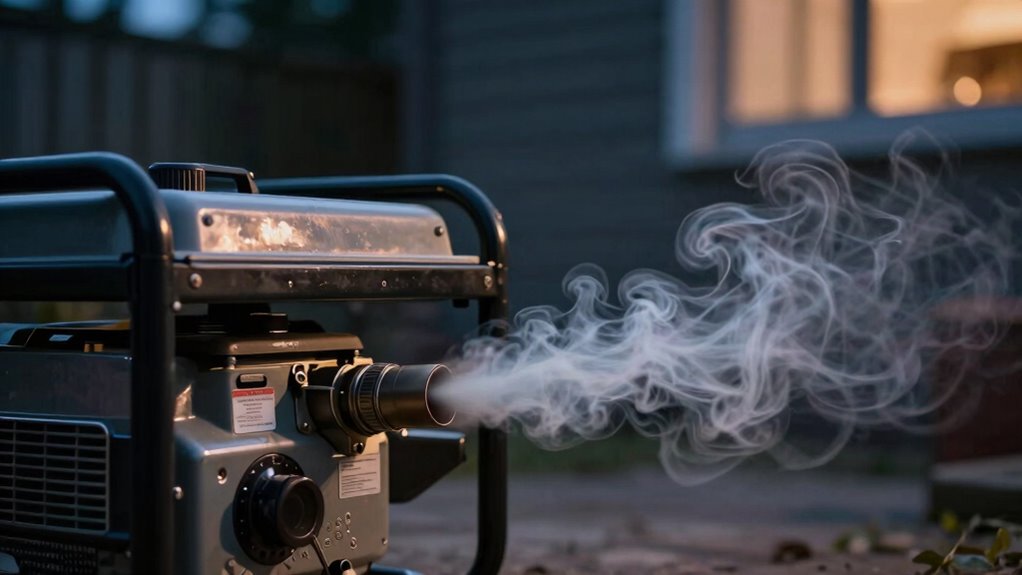
Because generators produce carbon monoxide (CO) without a smell or taste, it can quietly become a deadly threat if you don’t take proper precautions. Understanding generator safety is essential to prevent CO poisoning. Many people underestimate how easily CO can accumulate indoors or in poorly ventilated areas. Even a small, portable generator can generate enough CO to cause harm if used improperly. Raising carbon monoxide awareness helps you recognize the risks and ensure proper placement and ventilation. Always operate your generator outdoors, away from windows, vents, and doors. Never run it in enclosed spaces. Proper ventilation is crucial to prevent dangerous CO buildup and protect your household. Additionally, being aware of CO poisoning symptoms can help you identify and respond to exposure quickly. Recognizing CO risk factors can further enhance your safety measures around generators. Being informed about generator safety practices is key to avoiding deadly accidents. Ensuring that CO detectors are installed and functioning properly adds an extra layer of protection. By prioritizing generator safety and staying informed about CO dangers, you reduce the risk of poisoning and protect yourself and others in your household.
How Generator CO Poisoning Can Happen Without You Knowing

You might not realize you’re exposed to dangerous carbon monoxide levels because the symptoms are subtle and easy to overlook. Since CO poisoning can happen silently, it’s essential to recognize the hidden risks and early signs. Staying aware can help you prevent a deadly situation before it’s too late. Additionally, understanding how thermal behavior affects generator operation can help you identify unsafe conditions that lead to CO buildup. Proper ventilation and exhaust management are critical in reducing the risk of dangerous CO accumulation during generator use. Proper maintenance and understanding generator performance can also help detect issues before they lead to hazardous CO levels. Being familiar with generator safety protocols can further enhance your protection against silent CO hazards.
Hidden Carbon Monoxide Risks
Even when a generator is placed outdoors, carbon monoxide (CO) can still pose a serious threat if proper precautions aren’t taken. CO can seep indoors through open windows, vents, or poorly sealed doors, contaminating your indoor air. This hidden risk often goes unnoticed because you might not see or smell CO. To reduce danger, use effective ventilation strategies, such as opening windows or installing exhaust fans, to help disperse any CO that enters your home. Never assume that outdoor placement alone keeps you safe; CO can accumulate indoors quickly, especially in enclosed or semi-enclosed spaces. Ensuring proper ventilation and maintaining it can significantly reduce the risk of CO buildup. Additionally, regular maintenance and testing of your CO detectors are essential for early warning and safety. Staying aware of these hidden risks and ensuring proper ventilation is vital for protecting yourself and your loved ones from covert CO poisoning.
Symptoms Often Overlooked
Generator carbon monoxide poisoning can happen silently, often without obvious signs until it’s too late. You might overlook symptoms like headaches, dizziness, nausea, or fatigue, mistaking them for everyday issues. This danger increases if your generator is improperly placed or lacks proper ventilation techniques. To reduce risk, consider these points:
- Place your generator outdoors, away from windows and vents.
- Use designated ventilation techniques to disperse CO effectively.
- Never operate a generator indoors or in enclosed spaces.
- Watch for subtle symptoms that could indicate CO buildup, especially if multiple people experience the same signs. Proper appliance placement and ventilation techniques are crucial in preventing silent CO poisoning. Ensuring proper generator operation and maintaining adequate airflow can significantly lower the risk of dangerous CO buildup. Awareness of these overlooked symptoms and smart generator placement can save lives. Recognizing the signs early and ensuring proper ventilation techniques are in place are essential steps to prevent silent CO poisoning.
The Biggest Mistake That Could Lead to CO Poisoning
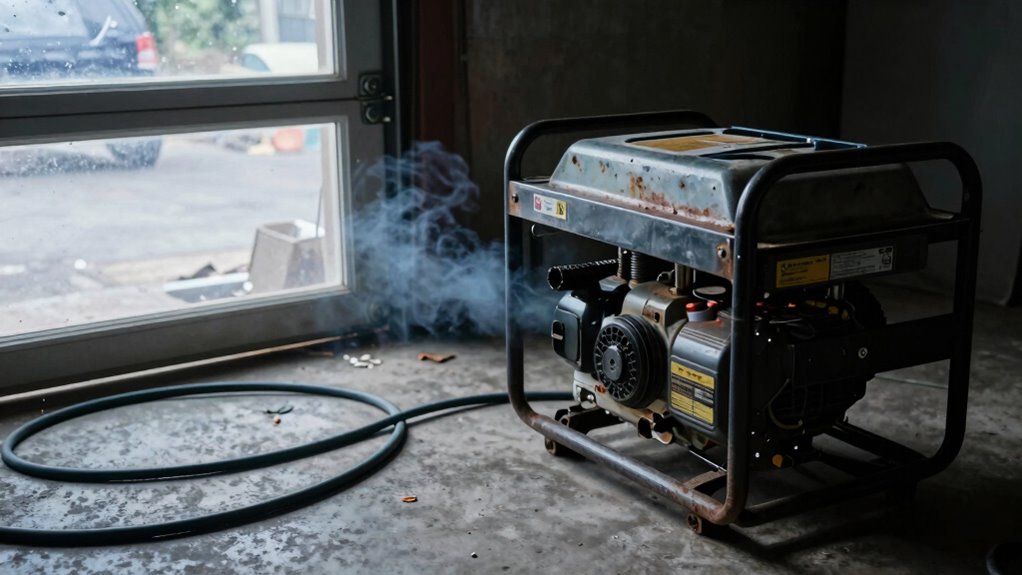
The biggest mistake that can lead to CO poisoning is neglecting proper ventilation when running your generator. If you ignore warning signs like dizziness or headaches, you’re risking serious danger. Always guarantee your generator is outdoors and well-ventilated, and never dismiss early warning signals. Additionally, understanding smart-home integrations can help you set up automated alerts or shutdowns to prevent dangerous CO buildup. Being aware of home energy management systems can further enhance safety by monitoring generator operation and CO levels in real time. Proper ventilation practices are essential to prevent dangerous CO accumulation during generator use. Ensuring your workspace has adequate airflow can significantly reduce the risk of harmful CO exposure during extended generator operation.
Improper Ventilation Practices
Improper ventilation is one of the most dangerous mistakes you can make when using a generator. Poor ventilation can trap deadly carbon monoxide, risking poisoning. To avoid this, focus on:
- Proper fuel handling – Store and handle fuel safely to prevent leaks that could increase exhaust fumes.
- Generator placement – Always keep your generator outdoors, at least 20 feet away from windows, doors, and vents.
- Avoid enclosed spaces – Never operate a generator inside garages, basements, or any enclosed area.
- Ensure airflow – Maintain clear, unobstructed ventilation paths around your generator to disperse fumes effectively. Proper airflow is essential to prevent carbon monoxide buildup.
- Understand carbon monoxide hazards — Recognizing how CO accumulates can help you prevent dangerous buildup indoors. Additionally, installing carbon monoxide detectors can provide an extra layer of safety to alert you to dangerous levels of CO. Remember that ventilation practices are crucial in reducing the risk of CO poisoning during generator use. Being aware of proper ventilation techniques can significantly decrease the chances of deadly CO accumulation.
Ignoring Warning Signs
Ignoring warning signs of carbon monoxide buildup can be deadly, as it often leads to dangerous levels of CO going unnoticed. You might dismiss symptoms like headaches, dizziness, or nausea, but these are critical warning signs of CO poisoning. Proper generator placement is essential; placing your generator too close to your home increases the risk of CO leaks. Always keep it outdoors and far from windows or vents. If you notice warning signs like persistent headaches or unusual odors, don’t overlook them. These signs indicate CO levels are rising and action is needed immediately. Failing to recognize and respond to warning signs can lead to poisoning or even death. Stay vigilant, ensure proper generator placement, and never dismiss the warning signs of CO danger. Proper generator placement is crucial for preventing dangerous CO buildup.
Recognize the Early Signs of Carbon Monoxide Poisoning
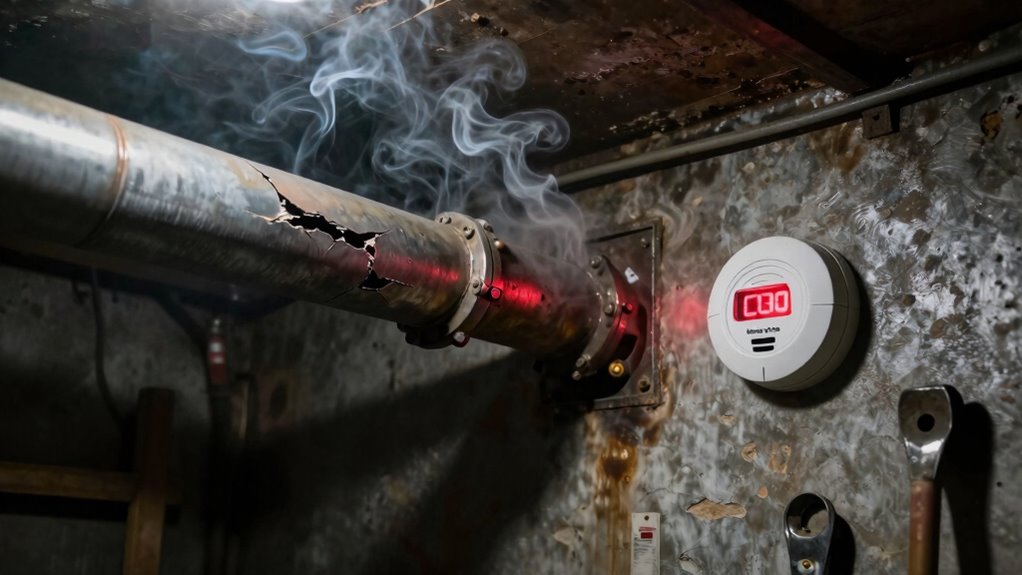
Carbon monoxide poisoning can develop quickly and often presents with subtle early symptoms that you might overlook. Recognizing these signs is essential for your indoor air quality and personal safety. Early symptoms include:
Carbon monoxide poisoning can develop rapidly with subtle early symptoms; recognizing them saves lives.
- Headaches that feel different from normal tension
- Dizziness or confusion
- Nausea or vomiting
- Fatigue or weakness
If you notice any of these, especially while using a generator indoors or in poorly ventilated areas, take immediate action. Carbon monoxide is odorless, so trusting your body’s signals is critical. Staying alert to these early signs can prevent serious health issues or fatalities. Always prioritize proper ventilation and regular safety checks to keep your indoor air safe and your personal safety protected. Recognizing these symptoms saves lives.
Where and How to Place Your Generator for Safe Ventilation
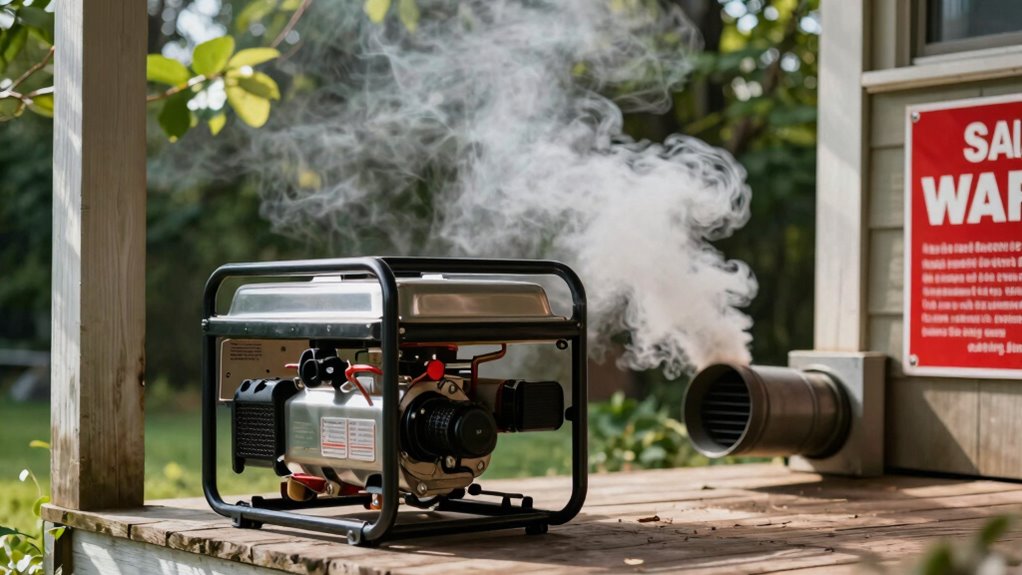
To guarantee safe ventilation, you should place your generator outdoors and away from windows, doors, and vents that could allow exhaust fumes to seep inside. Find a well-ventilated area, ideally in a designated outdoor ventilation zone, where fumes can dissipate quickly. Keep your generator at least 20 feet from your home, garage, or enclosed spaces to prevent dangerous CO buildup. Avoid placing it under overhangs, decks, or close to walls that can trap fumes. Remember, outdoor placement is vital for proper ventilation, so position your generator where airflow isn’t obstructed. This setup ensures exhaust gases don’t accumulate, reducing the risk of CO poisoning and keeping your family safe during power outages.
Why Installing CO Detectors Can Save Lives

Installing CO detectors is vital because they can sense dangerous carbon monoxide levels before you notice symptoms. They give you timely warnings, so you can take action and prevent poisoning. Don’t wait—these devices can save your life.
Detects Dangerous CO Levels
Have you ever wondered how a small device can save your life? Carbon monoxide detectors are vital for generator safety because they detect dangerous CO levels before you’re affected. These detectors continuously monitor the air, providing early warnings of hidden hazards. Here’s how they help:
- Alert you instantly when CO levels rise above safe limits.
- Prevent silent poisoning from generator exhaust indoors.
- Allow you to take immediate action, like ventilating the area or evacuating.
- Reduce the risk of long-term health issues caused by CO exposure.
Provides Timely Warnings
When carbon monoxide levels begin to climb, every second counts in preventing harm. Proper generator placement is essential because CO can quickly reach dangerous levels if it’s too close to your home. Keep generators outdoors, away from windows and vents, to reduce the risk of CO entering your living space. Ventilation techniques also play a critical role; guarantee there’s adequate airflow around the generator to disperse fumes safely. CO detectors provide timely warnings, alerting you immediately when CO levels become dangerous. This early warning gives you imperative seconds to evacuate or turn off your generator before harm occurs. Installing reliable detectors in key areas ensures you’re promptly notified, making all the difference between safety and tragedy. Don’t underestimate the power of timely alerts—your life may depend on it.
Prevents Carbon Monoxide Poisoning
Because carbon monoxide is an odorless and invisible threat, detecting it before it reaches dangerous levels is crucial to preventing poisoning. Installing CO detectors is your best defense, as they alert you early. Here’s how they help:
- Save lives by providing immediate warnings before CO levels become lethal.
- Improve safety during power outages or generator use, reducing accidental exposure.
- Enhance fuel efficiency by ensuring proper venting, preventing dangerous build-up.
- Reduce noise pollution since modern detectors operate quietly, avoiding unnecessary disturbance.
How to Choose a Generator With Safety Features You Can Trust
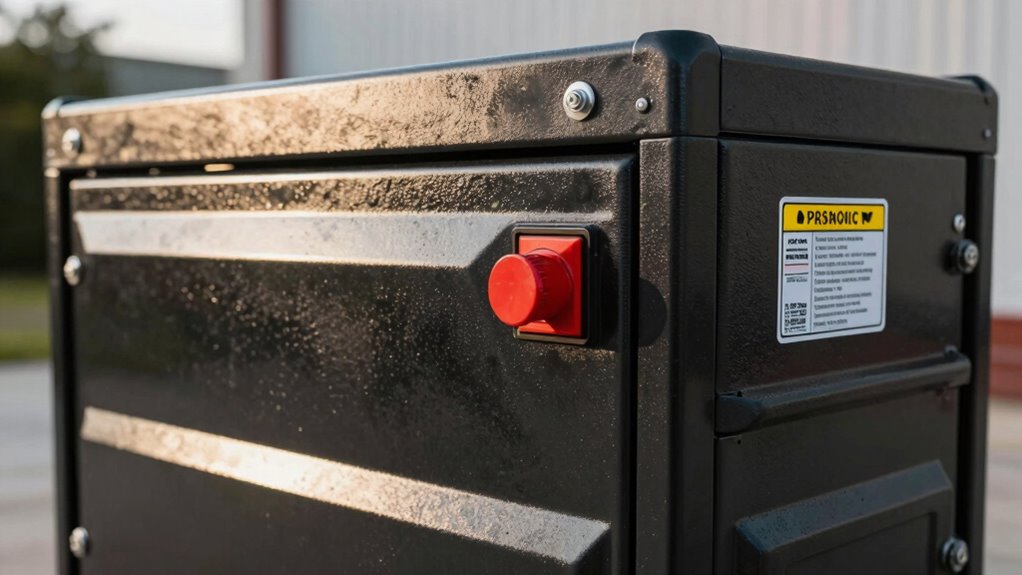
Choosing a generator with reliable safety features is essential to prevent accidents and guarantee peace of mind during power outages. Look for models equipped with automatic shutoff systems that activate if dangerous levels of carbon monoxide are detected, enhancing generator safety and carbon monoxide prevention. Ensure the generator has a carbon monoxide alarm that alerts you before CO levels become hazardous. Opt for models with covered outlets and sturdy enclosures to reduce exposure to sparks and electrical faults. Portable generators with clear safety instructions and easy-to-use controls also contribute to safer operation. Always verify that your generator meets safety standards and comes from reputable manufacturers. Prioritizing these features helps protect you and your loved ones from potential CO poisoning and other safety risks.
What to Do Immediately If You Suspect CO Poisoning
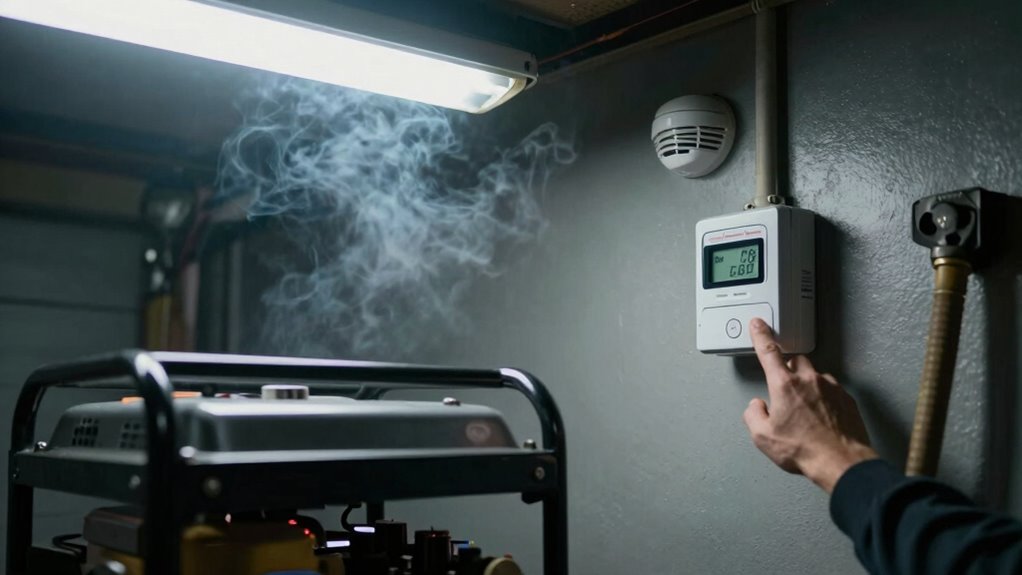
If you suspect carbon monoxide (CO) poisoning while using a generator, acting quickly can prevent serious health consequences. Your first priority is to get to fresh air immediately. Do not try to find or fix the source of CO; your safety comes first. Once outside, call emergency services right away. To guarantee generator safety and effective co detection, follow these steps:
- Move everyone to fresh air, away from the generator.
- Call 911 or emergency services immediately.
- Do not re-enter the area until professionals confirm it’s safe.
- Seek medical attention even if symptoms seem mild, as CO poisoning can worsen quickly.
Simple Tips to Keep Your Family Safe During Power Outages

During a power outage, your family’s safety depends on quick and informed actions. First, don’t believe common generator myths—such as running it indoors for quick power—because this can cause dangerous CO buildup. Always operate your generator outdoors in a well-ventilated area, away from windows and vents. To maximize fuel efficiency, keep your generator properly maintained and use only the recommended fuel type. Store extra fuel safely, in approved containers, and never refuel while the generator is running. Use heavy-duty extension cords to power essential appliances, reducing the load and preventing overloads. Regularly check your generator’s manufacturer instructions and safety features. Staying informed and cautious guarantees your family stays safe and avoids the risks linked to CO poisoning during power outages.
Regular Generator Maintenance Tips to Prevent CO Risks
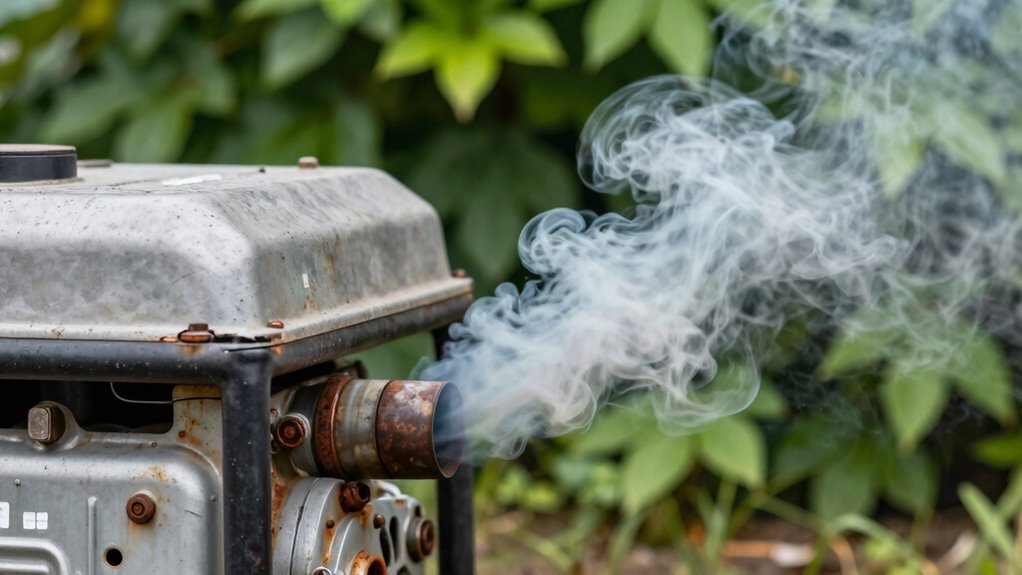
Regular generator maintenance is essential to prevent carbon monoxide (CO) buildup and guarantee safe operation. Proper upkeep boosts fuel efficiency, reduces noise, and minimizes CO risks. To keep your generator in top shape, follow these tips:
Regular maintenance ensures safe, efficient generator operation and reduces dangerous CO risks.
- Regularly check and clean the air filters to improve fuel efficiency and reduce engine noise.
- Inspect and replace spark plugs to ensure smooth operation and prevent CO emissions caused by incomplete combustion.
- Test the exhaust system for leaks or blockages to prevent dangerous CO leaks indoors.
- Schedule professional maintenance annually for thorough inspection, ensuring peak noise reduction and safety.
Consistent maintenance keeps your generator running efficiently, lowers noise levels, and helps prevent dangerous CO buildup. Stay vigilant to protect your family’s health and safety.
Frequently Asked Questions
How Often Should I Test My CO Detectors?
You should test your CO detectors monthly to guarantee they’re working properly. Regular generator maintenance helps prevent CO buildup, so keep your generator in good condition. Proper CO detector placement is vital—install them on every level and near sleeping areas. Always follow the manufacturer’s instructions for testing and replacing batteries. Doing these simple steps keeps you safe from dangerous carbon monoxide leaks, especially during generator use or power outages.
Can Outdoor Generators Still Pose CO Risks?
Sure, outdoor generators can still pose CO risks if you neglect proper generator maintenance. You might think ventilation is enough, but CO sneaks in when you least expect it. Always place your CO detectors correctly, away from open air but near sleeping areas, and test them regularly. Remember, even outside, a poorly maintained generator can turn your outdoor fun into a deadly surprise. Safety first, or it’s game over.
What Are the Legal Requirements for CO Alarms?
You need to follow local laws for CO alarms, which typically require installing them on every level and outside sleeping areas. Regular generator maintenance is vital to prevent CO buildup. Place your CO detector at knee to chest height, near sleeping areas, for accurate detection. Test alarms monthly, replace batteries yearly, and upgrade units every 5-7 years to guarantee safety. Proper placement and maintenance save lives.
Are Certain Generator Models Safer Regarding CO Emissions?
Think of certain generator models like safety helmets—they’re designed with better co emission standards. Safer models often have lower CO emissions and built-in features for proper generator placement, reducing risks. Always check if a generator meets current co emission standards before buying, and place it outdoors away from windows and vents. This way, you protect yourself and your loved ones from dangerous CO buildup, just like wearing a helmet keeps you safe.
How Does Weather Affect CO Buildup Around Generators?
Weather greatly impacts CO buildup around your generator. Cold or windy weather can cause you to misplace your generator or run it improperly, increasing CO risks. Always consider weather conditions when planning your generator placement; keep it outdoors, away from vents and windows, especially during rainy or windy days. Proper weather considerations guarantee you minimize CO buildup, keeping you safe while using your generator during adverse conditions.
Conclusion
Remember, a generator’s power can be a double-edged sword—a silent predator lurking in disguise. By respecting its dangers and following safety steps, you become the guardian of your family’s well-being. Think of CO safety as a shield, protecting your loved ones from unseen threats. Stay vigilant, never underestimate the risk, and guarantee proper ventilation. With cautious eyes and mindful actions, you turn a potential tragedy into a story of safety and resilience.