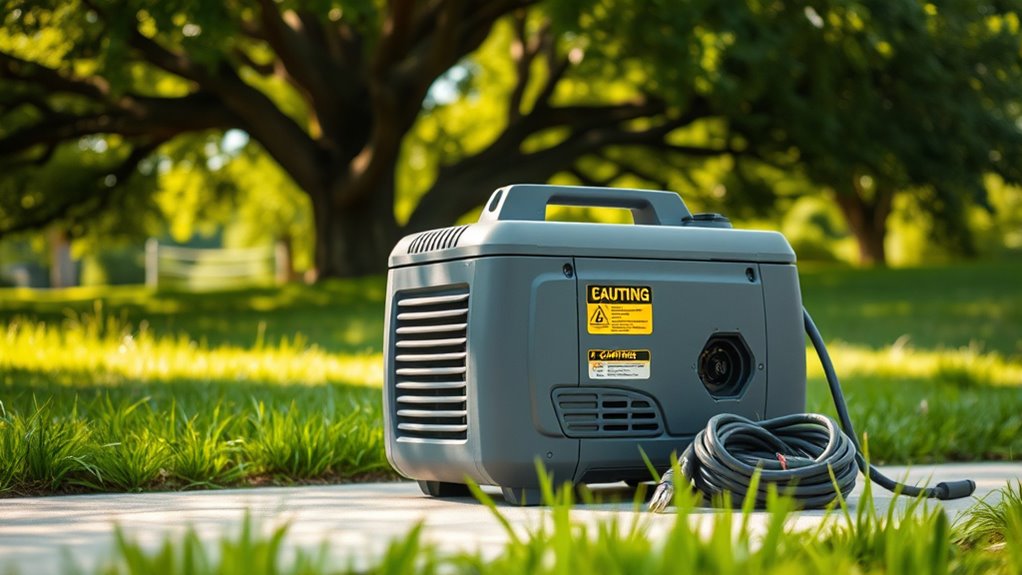

To stay safe while using a generator, always operate it outdoors away from windows, doors, and vents to prevent carbon monoxide buildup. Never run the generator in enclosed spaces like garages or basements—CO is odorless and deadly. Store fuel properly in approved containers and avoid refueling when the generator is hot or running. Knowing symptoms of CO poisoning and installing detectors can save lives. Continue exploring these essential safety tips to protect yourself and loved ones.
Key Takeaways
- Always operate generators outdoors, away from windows and vents, to prevent carbon monoxide buildup inside.
- Never run a generator in enclosed spaces like garages, basements, or sheds to avoid deadly CO accumulation.
- Use CO detectors near sleeping areas to monitor and alert you to dangerous carbon monoxide levels.
- Turn off the generator immediately if you experience symptoms like headaches, dizziness, or nausea.
- Store fuel properly in approved containers, away from living spaces, heat sources, and open flames.
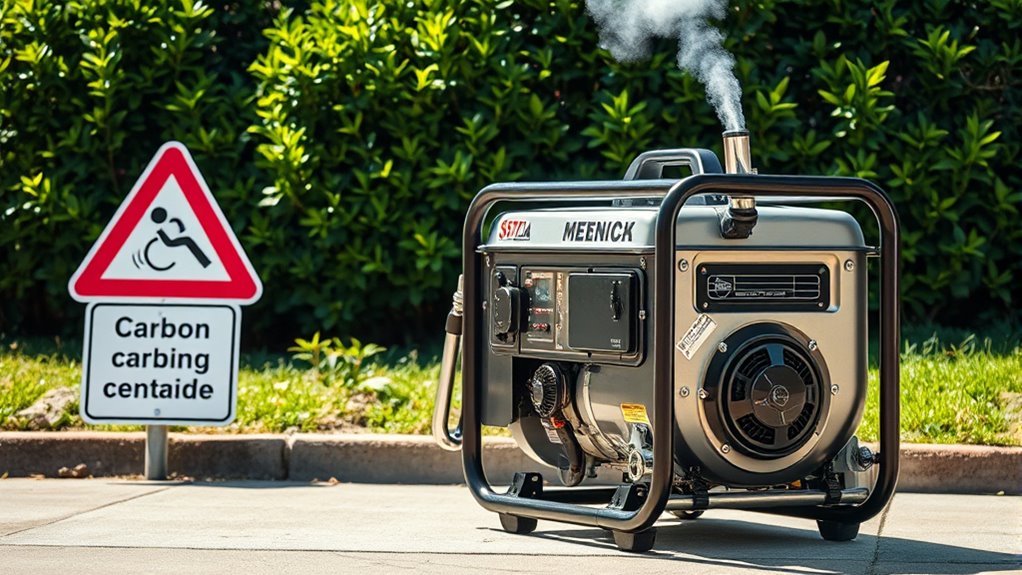
When using a generator, safety should always be your top priority, especially because of the hidden dangers posed by carbon monoxide (CO). This colorless, odorless gas can quickly build up in enclosed or poorly ventilated areas, leading to serious health risks or even death. To prevent this, you must pay close attention to how you handle fuel storage and guarantee proper ventilation safety. Proper fuel storage isn’t just about keeping your generator running smoothly; it’s about minimizing the risk of leaks, spills, or fires that could produce dangerous gases. Always store fuel in approved containers, away from living spaces, heat sources, or open flames. Never keep large quantities of fuel inside your home or garage unless they’re in certified safety containers and stored in well-ventilated areas. Regularly inspect your fuel containers for leaks or damage, and never refuel your generator while it’s hot or running. Doing this reduces the chance of accidental fires or spills that could lead to hazardous fumes.
Ventilation safety is equally essential when operating a generator. Never run a generator indoors or in enclosed spaces, such as garages, basements, or sheds, even if doors and windows are open. CO can accumulate rapidly in these environments, sometimes reaching dangerous levels before you notice any symptoms. Always place your generator outdoors, far away from windows, doors, and vents, ensuring that exhaust fumes don’t seep inside. Use extension cords to position the generator in a well-ventilated location, like a driveway or yard, where exhaust gases can safely disperse. During operation, stay alert for signs of CO exposure, such as headaches, dizziness, or nausea. If you experience any symptoms, shut down the generator immediately and move to fresh air. It’s also wise to have a CO detector installed in your home, especially near sleeping areas, to alert you to dangerous levels of the gas.
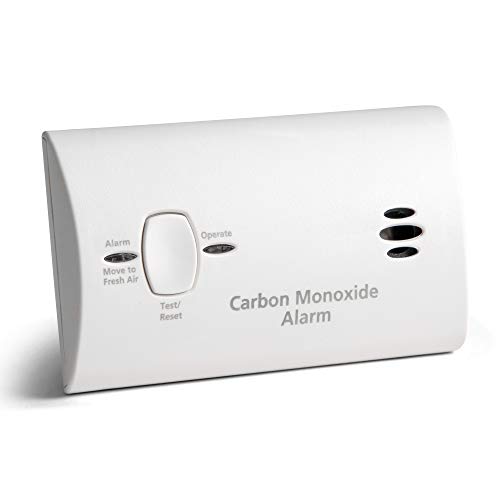
Kidde Carbon Monoxide Detector, AA Battery Powered, Portable for Travel or Home, 85 dB Alarm, LED Status Indicators, 3rd Edition
- Sensor Technology: Electrochemical CO detection
- Easy Installation: No wiring needed, portable design
- Power Source: Operates on 2 AA batteries
As an affiliate, we earn on qualifying purchases.
As an affiliate, we earn on qualifying purchases.
Frequently Asked Questions
How Often Should I Service My Generator for Safety?
You should service your generator at least once a year according to the maintenance schedule. Regular checks help guarantee safety and proper functioning. It’s also essential to have a professional inspection annually, especially before storm seasons or heavy use. During maintenance, focus on inspecting for leaks, testing the carbon monoxide detector, and changing oil or filters. Staying proactive with these steps keeps your generator safe and reliable when you need it most.
Can I Run a Generator Indoors Safely?
You shouldn’t run a generator indoors because it’s unsafe. Always guarantee proper indoor ventilation and avoid placing the generator inside or near open windows, doors, or vents. To stay safe, place it outdoors in a well-ventilated area, far from your home’s windows and vents. Proper generator placement and good ventilation prevent dangerous carbon monoxide buildup, keeping you and your family safe during power outages.
What Are the Signs of Carbon Monoxide Poisoning?
Carbon monoxide poisoning can sneak up on you like a thief in the night. If you notice symptoms recognition such as headache, dizziness, nausea, weakness, or confusion, act fast. These signs are your alarm bells. If you suspect poisoning, immediately get to fresh air and call emergency response. Don’t ignore these warning signs—they’re your body’s way of alerting you to a silent, deadly threat.
Are There Portable Generators With Built-In CO Detectors?
Yes, there are portable generators with built-in CO detector integration designed for portable safety. These generators come equipped with advanced sensors that monitor carbon monoxide levels continuously, alerting you to potential danger. This feature simplifies safety measures, ensuring you don’t need to buy and install separate CO detectors. When choosing a generator, look for models that prioritize CO detector integration to keep you and your loved ones safe during power outages or outdoor activities.
How Long Does It Take for CO Poisoning Symptoms to Appear?
If you’re exposed to carbon monoxide, symptoms can appear within minutes to hours, depending on the poisoning timeline. For example, a family using a portable generator indoors might start feeling headaches, dizziness, or nausea after just 15 minutes. The symptom onset varies based on exposure levels; higher concentrations cause quicker symptoms, so it’s essential to act fast and seek fresh air if you notice any signs.
Conclusion
Remember, your safety is the lighthouse guiding you through the storm. Always operate generators outdoors, away from windows and vents, to keep carbon monoxide from turning your home into a silent killer. Think of it as a guardian angel watching over you, preventing unseen dangers from sneaking in. By staying vigilant and following safety tips, you keep the darkness of danger at bay, ensuring your home remains a sanctuary, not a trap.