To prepare your children for quick evacuations, teach them to understand the importance of moving to a safe place swiftly and confidently. Practice regular evacuation drills, explaining what to do and reinforcing communication routines like calling 911 or trusted contacts. Equip them with a safety kit they can easily access, and teach them how to use each item. Building their knowledge and resilience will help them stay calm and respond effectively during emergencies. Keep exploring to learn more helpful tips.
Key Takeaways
- Teach children the importance of quick, calm evacuation and practice it regularly to build confidence.
- Use simple, age-appropriate language to explain evacuation procedures and emergency signals.
- Prepare and review a safety kit together so children know how to use essential items quickly.
- Conduct regular drills to familiarize children with different emergency scenarios and escape routes.
- Reinforce the importance of communicating clearly with adults during emergencies to reduce panic.
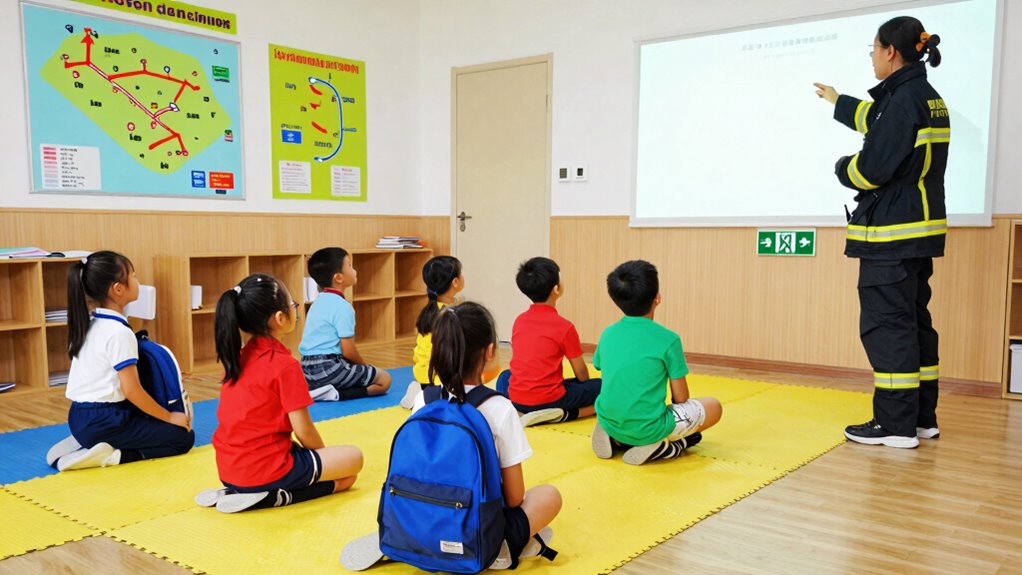
Preparing children for fast evacuations is essential for their safety and peace of mind during emergencies. When disaster strikes, your ability to communicate quickly and effectively can make a significant difference, so teaching children how to respond confidently is vital. Start by explaining what an evacuation means in simple terms, ensuring they understand that it’s about moving to a safe place promptly. Reassure them that they’re safe with you and that knowing what to do helps keep everyone secure. Practice emergency communication routines regularly, like how to call 911 or contact a trusted adult, so these actions become second nature. You want your children to know who to reach out to and what information to share, like their name, location, and the nature of the emergency. This familiarity reduces panic and speeds up the process when seconds matter.
Equally important is preparing your child with safety kit essentials. Make a small, age-appropriate emergency kit that they can carry or access easily during an evacuation. Include essentials like water, non-perishable snacks, a flashlight, a whistle, and a small first aid kit. Teach your children how to use these items—like blowing the whistle if they get separated or opening their kit for supplies. Practice packing and carrying the kit so it becomes second nature. When children understand what’s in their safety kit and how to use it, they gain a sense of control and confidence, which eases anxiety during stressful situations. Additionally, understanding emergency preparedness can help children feel more equipped and reduce fear in uncertain situations. Building a strong foundation of disaster response skills can also increase their resilience and ability to adapt in various environments. Regularly discussing emergency procedures can further reinforce their understanding and readiness. Incorporating age-appropriate education about emergencies can make the training more effective and engaging for children.

The Life Safety Pro First Aid Kit for Babies, Toddlers, and Kids, Portable Pediatric Emergency Kit with CPR Shield for Home, Car, Daycare, and Travel, Designed by a Paramedic
- Child-Specific First Aid Kit: Contains essentials for children's emergencies
- Compact and Organized Design: Easy to find items quickly in emergencies
- Travel-Friendly Size: Meets TSA carry-on guidelines for convenience
As an affiliate, we earn on qualifying purchases.
As an affiliate, we earn on qualifying purchases.
Frequently Asked Questions
How Can I Calm My Child During an Emergency?
To calm your child during an emergency, focus on child reassurance by speaking calmly and offering comforting words. Use simple explanations to reduce confusion and stress management techniques like deep breathing exercises or gentle hugs. Keep your tone steady and positive, showing confidence to help your child feel safe. Staying present and attentive reassures them that they’re not alone, making it easier for them to manage their emotions during a stressful situation.
What Are Effective Ways to Teach Children Emergency Procedures?
You can teach children emergency procedures effectively through emergency role playing and safety games. These activities make learning engaging and memorable, helping kids understand what to do in real situations. Practice evacuation routes, teach them how to dial emergency numbers, and simulate scenarios in a fun way. By actively involving them, you boost their confidence and guarantee they’re prepared to respond quickly and calmly during actual emergencies.
How Do I Involve Children in Evacuation Drills Safely?
You involve children in evacuation drills safely by making it engaging with interactive storytelling and role-playing exercises. Explain the process clearly, then let them act out their roles, so they understand what to do calmly. Keep drills short and positive, praising their participation. Always supervise closely, ensuring they follow safety rules. This approach boosts confidence and helps children remember procedures during real emergencies.
What Are Age-Appropriate Emergency Communication Strategies for Kids?
To guarantee child safety, use age-specific communication that’s clear and simple. Speak at their level, avoiding complicated language, and use visual aids or stories to explain emergencies. Reassure them with a calm tone, emphasizing that they’re safe and that you’ll stay together. Practice these conversations regularly so kids understand what to do, helping them feel secure and confident during fast evacuations.
How Can I Address Children’s Fears Related to Evacuations?
You can ease children’s fears by using reassurance techniques, like calm, positive talk, and explaining what’s happening in simple words. Offer emotional support by listening to their worries and validating their feelings. Practice evacuation drills together to build confidence and familiarity. Remind them that safety is your priority, and stay patient and comforting throughout the process. This approach helps children feel secure and less anxious during emergencies.
Conclusion
Just as Odysseus navigated treacherous waters with confidence, you can guide your children through the chaos of an evacuation. By practicing drills and fostering calm communication, you equip them with the resilience of a seasoned sailor facing storms. Remember, preparation isn’t just about safety; it’s about empowering them to face life’s uncertainties with courage and clarity. With your steady guidance, they’ll sail through any emergency, ready to navigate whatever lies ahead.