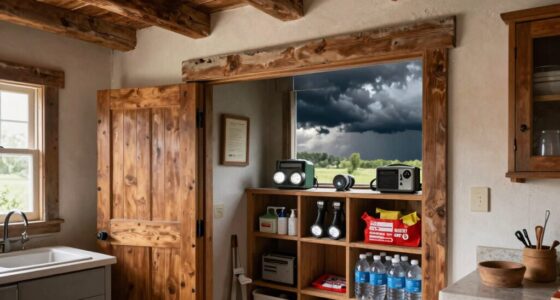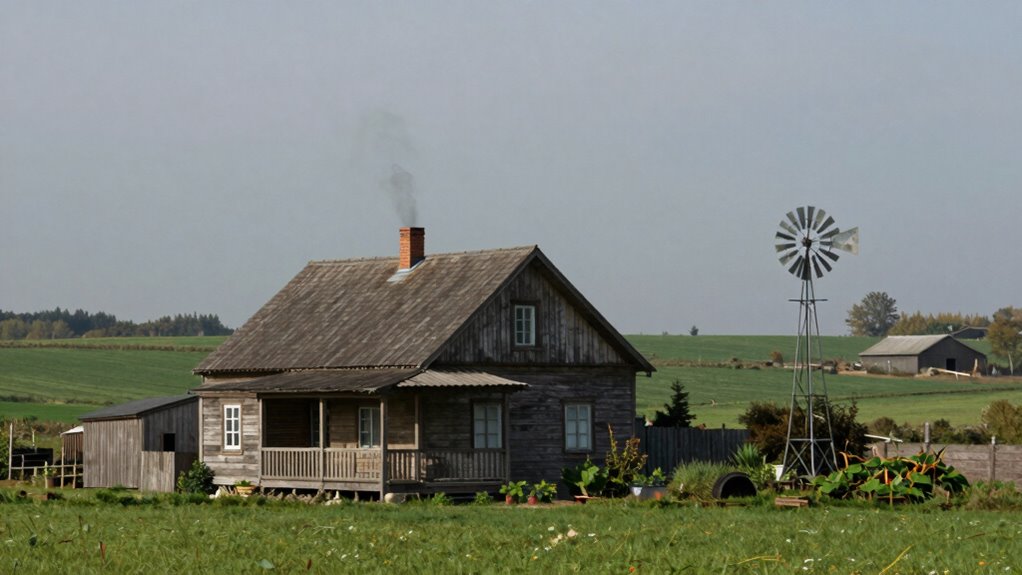

You need an air quality plan in your rural home because indoor pollutants from cooking, heating, and outdoor dust can build up and harm your health, even if the weather is clear. A weather plan alone doesn’t address these risks or control dust, pollen, mold, and chemicals inside your home. Taking steps like proper ventilation and air purification is essential. Keep exploring how you can protect your home’s air quality and breathe easier every day.

Get garden gear delivered free with Prime
- Fast, free delivery on millions of items
- Prime Video, Amazon Music and more included
- Member-only deals all year
Key Takeaways
- Indoor pollutants in rural homes can accumulate over time, affecting health beyond outdoor weather conditions.
- A dedicated air quality plan addresses sources of indoor pollution, not just external weather factors.
- Proper ventilation and filtration systems are essential for maintaining healthy indoor air regardless of weather.
- Monitoring indoor air quality helps identify and mitigate pollutants, which weather plans do not cover.
- Managing indoor air quality prevents long-term health issues linked to pollutants, supplementing weather preparedness.
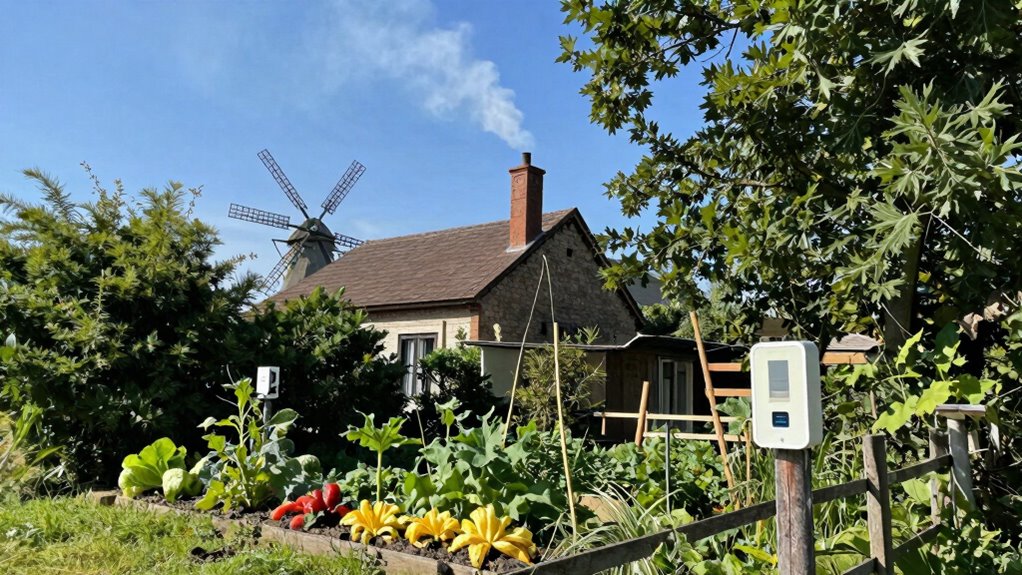
Improving air quality in rural homes is vital for protecting your health and well-being. While preparing for harsh weather is important, focusing solely on a weather plan overlooks a key aspect: indoor pollution. Many people assume that rural homes are naturally healthier because they’re away from city pollution, but that isn’t always the case. Indoor pollution can build up from sources like heating systems, cooking, cleaning products, and even outdoor activities that bring dust and pollen inside. Without a thorough air quality plan, these pollutants can accumulate, leading to respiratory issues, allergies, and other health problems over time.
Indoor pollution can accumulate from heating, cooking, and outdoor dust, impacting health even in rural homes.
To really safeguard your indoor environment, you need to prioritize ventilation strategies. Proper ventilation helps reduce indoor pollution by exchanging stale, contaminated air with fresh outdoor air. This doesn’t mean opening windows all the time, especially during extreme weather; instead, it involves installing and maintaining systems like exhaust fans, air exchangers, or HEPA filtration units. These systems continuously remove indoor pollutants and improve air circulation, creating a healthier living space. Ventilation strategies are especially vital in rural homes where natural airflow might be limited or compromised by weather conditions.
You should also consider the placement and functioning of your ventilation systems. For example, exhaust fans in kitchens and bathrooms help eliminate moisture and airborne contaminants that can cause mold growth and worsen respiratory health. Using air purifiers equipped with HEPA filters in common areas can trap dust, pollen, pet dander, and other indoor pollutants, providing an extra layer of protection. Regularly changing filters and maintaining these systems ensures they work efficiently and continue to improve indoor air quality.
A thorough air quality plan isn’t just about installing equipment; it’s about understanding how indoor pollution impacts your health and taking proactive steps to minimize it. Besides ventilation strategies, this might include choosing low-emission cleaning products, avoiding tobacco smoke indoors, and sealing gaps or leaks around windows and doors to prevent outdoor pollutants from sneaking inside. It’s also helpful to keep humidity levels in check, as excess moisture can promote mold growth, which worsens indoor air quality. Recognizing indoor pollution sources can help you identify and eliminate specific hazards in your home environment. Implementing air quality monitoring tools can assist you in maintaining a safe indoor atmosphere. Understanding proper maintenance of ventilation systems can ensure they remain effective over time. Additionally, being aware of ventilation system placement can maximize their efficiency and effectiveness in your space.
In the end, a weather plan alone won’t protect you from the invisible dangers lurking inside your home. You need a dedicated air quality plan that emphasizes controlling indoor pollution through effective ventilation strategies and smart home practices. Doing so ensures your rural home remains a safe, healthy place to live, no matter what the weather brings.
HEPA air purifier for indoor air quality
As an affiliate, we earn on qualifying purchases.
As an affiliate, we earn on qualifying purchases.
Frequently Asked Questions
How Often Should I Review My Rural Home’s Air Quality Plan?
You should review your rural home’s air quality plan at least twice a year, ideally during seasonal changes. Regular reviews help you make necessary seasonal adjustments and improve emergency preparedness. Keep an eye on local air quality alerts and update your plan accordingly. This proactive approach guarantees your home remains safe and healthy year-round, especially during times of increased pollution or extreme weather events that can impact air quality.
What Are the Main Indoor Pollutants in Rural Homes?
In rural homes, the main indoor pollutants include dust, pollen, mold spores, tobacco smoke, and indoor combustion byproducts from heating or cooking. These pollutants can compromise air quality if not properly managed. You should aim to meet air quality standards by regularly ventilating, controlling humidity, and avoiding indoor smoking. Monitoring indoor pollutants helps guarantee a healthier environment, especially since rural homes may have limited access to advanced filtration systems.
How Can I Test My Home’s Air Quality Effectively?
Sure, just ignore air testing and hope your home’s invisible pollutants vanish! Or, you can invest in a reliable air quality test kit to identify pollutant sources like mold, dust, or fumes. Professional testing is also smart if you suspect hidden issues. Regular testing helps you catch problems early, so you don’t breathe in trouble unknowingly. Don’t leave your health to chance—test your air today!
Are There Affordable Air Purification Options for Rural Homes?
Yes, you can find cost-effective solutions like DIY air purifiers using common materials such as HEPA filters and fans. These projects are affordable and easy to assemble, helping improve your indoor air quality without breaking the bank. Regularly changing filters and ventilation also make a big difference. By exploring these options, you guarantee your rural home stays healthier and more comfortable without expensive commercial systems.
How Does Rural Air Quality Impact Health Over Time?
You should know that rural air quality greatly impacts your health over time, with airborne allergens contributing to increased respiratory issues. Studies show long-term exposure can lead to chronic respiratory conditions, affecting your quality of life. Poor air quality can also weaken your immune system, making you more vulnerable to illnesses. Regularly monitoring and improving your air quality helps protect your long-term health and reduces the risk of ongoing respiratory problems.
Conclusion
Think of your rural home like a boat on the open water. A weather plan helps you navigate storms, but without an air quality plan, unseen hazards like pollution or mold are like hidden rocks beneath the surface—dangerous and unpredictable. Protect your home and family by preparing for both weather and air quality issues. Just as you’d check your boat’s safety features before setting sail, make certain your air quality plan is in place—peace of mind starts with being prepared.
Fall yard work Picks
leaf blowers
As an affiliate, we earn on qualifying purchases.