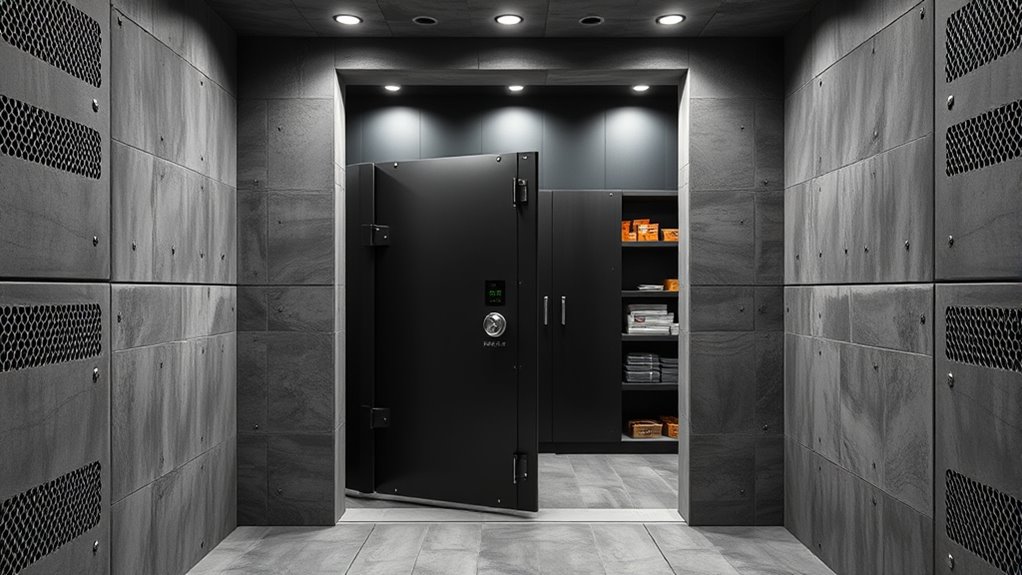

To build a safe room, choose durable materials like reinforced concrete or steel framing, and line walls with impact-resistant materials. Install storm-resistant, reinforced windows and secure, heavy-duty doors to prevent debris entry and maintain structural integrity during extreme weather. Incorporate ventilation systems that can be sealed during storms for safety and comfort. Proper sealing, secure locks, and choosing resilient finishes will help guarantee your safe room provides protection when you need it most—learn more about designing a secure space.

Get garden gear delivered free — and shop member deals
- Fast, free delivery on millions of items
- Access to Prime Big Deal Days deals on October 6–7
- Prime Video, Amazon Music and more included
Key Takeaways
- Use reinforced concrete, steel framing, and impact-resistant materials for durable, disaster-resistant walls.
- Install storm-resistant, laminated impact windows with proper sealing to withstand debris and high winds.
- Incorporate airtight vents with manual or automatic shut-off to ensure ventilation while preventing debris entry.
- Secure heavy-duty reinforced doors with reliable locks to enhance safety and security during emergencies.
- Design the room with structural integrity and resilience, ensuring it remains intact during extreme weather or threats.
Building a Home Safe Room
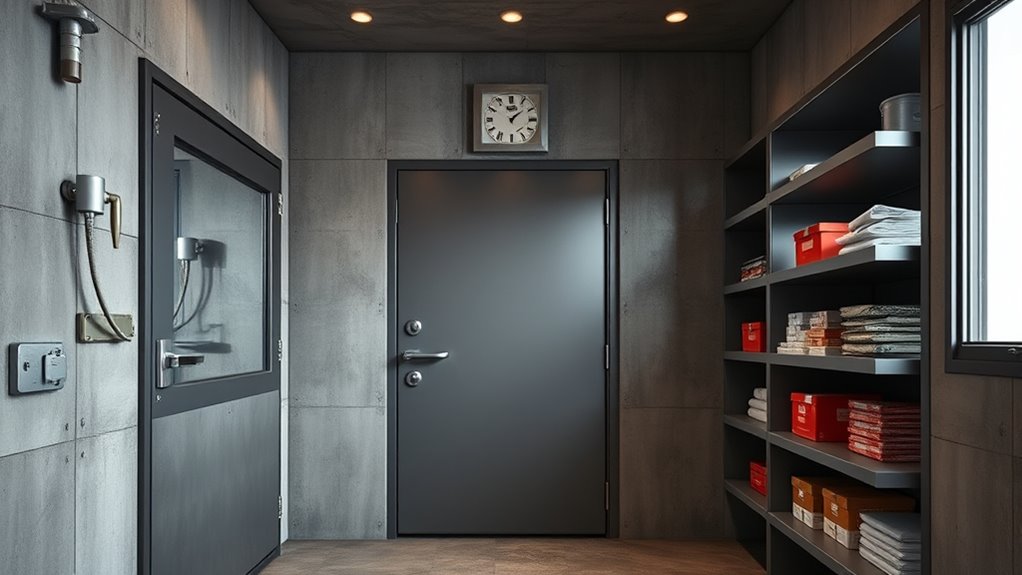
Creating a home safe room can provide peace of mind during emergencies like storms, earthquakes, or other threats. When designing this space, choosing durable, storm-resistant windows is essential. These windows are specially engineered to withstand high winds, flying debris, and impact, helping to keep you safe inside. Opt for windows with reinforced glass or laminated impact-resistant panes, as they provide superior protection against breakage. Installing these windows should be done carefully, ensuring they’re properly sealed to prevent leaks and drafts. Properly fitted storm-resistant windows not only enhance safety but also help maintain the room’s integrity during extreme weather events. Incorporating proper ventilation solutions is crucial to ensure the space remains comfortable and safe during prolonged use. Ventilation considerations play a critical role in your safe room’s design. While it’s important to prevent flying debris from entering during storms, you also need to ensure the space remains well-ventilated for comfort and safety. Incorporate ventilation systems that can be sealed shut during a storm, such as airtight vents or filtered air intake systems, to prevent contaminants or debris from entering. During normal conditions, these vents should allow fresh air to circulate, preventing stuffiness and maintaining breathable air quality. Consider installing a ventilation system with a manual or automatic shut-off feature that activates during severe weather alerts, so you don’t compromise protection while still ensuring airflow. In terms of materials, you want to focus on strength and resilience. Reinforced concrete or steel framing can withstand significant forces, making your safe room more resistant to structural damage. The walls should be lined with impact-resistant materials, and the door should be a heavy-duty, reinforced model with secure locks. These materials protect against projectiles and structural failure, giving you confidence that the room will hold during a storm or quake. When selecting finishes, prioritize non-permeable surfaces that are easy to clean and decontaminate, especially if you’re in an area prone to airborne hazards or chemical threats.
As an affiliate, we earn on qualifying purchases.
Frequently Asked Questions
What Are the Best Locations Within a Home for a Safe Room?
You should locate your storm shelters in a central, easily accessible area of your home, preferably underground or in a closet with reinforced walls. Consider hidden compartments for extra security, making it harder for intruders to find. Avoid exterior walls or garages, as they’re more vulnerable. By choosing an interior space with minimal windows and sturdy materials, you guarantee maximum protection for you and your loved ones during emergencies.
How Much Does Constructing a Safe Room Typically Cost?
Imagine feeling completely secure, knowing your safe room shields you from danger—costs typically range from $3,000 to $15,000 depending on your choices. You’ll want to plan your budget carefully, considering material selection like reinforced steel or concrete, which influence price. The size and features also impact costs, so prioritize your safety needs and set a realistic budget to create a refuge you trust and can afford.
Are There Specific Building Codes for Safe Rooms?
Yes, there are specific building codes and safety standards for safe rooms. You should check local building codes, which often include requirements for structural strength, ventilation, and accessibility. These standards ensure your safe room is reliable during emergencies. Always consult with local authorities or a professional contractor to make sure your safe room complies with all necessary building codes, keeping you and your loved ones protected.
Can a Safe Room Be Reinforced After Initial Construction?
Yes, you can reinforce your safe room after construction. You should consider reinforcement options like adding steel framing or upgrading door and window protections. Retrofit techniques such as installing additional bracing or applying reinforced panels can strengthen the structure. Consulting a structural engineer helps guarantee modifications meet safety standards. These measures improve your safe room’s resilience, providing better protection during emergencies while adapting to your existing space.
What Are the Maintenance Requirements for a Safe Room?
Think of your safe room like a car’s safety features—regular maintenance keeps it reliable. You should inspect security upgrades like reinforced doors and locks periodically, checking for wear or damage. Keep emergency preparedness supplies, such as water, flashlights, and first aid kits, fresh and ready. Regularly test communication devices and update safety plans. These simple steps guarantee your safe room stays effective when you need it most.
Conclusion
Building a home safe room isn’t just about strong walls and sturdy materials—it’s about peace of mind. By carefully designing and choosing the right materials, you create a secure refuge for you and your loved ones. Remember, a stitch in time saves nine, so investing in safety today guarantees peace tomorrow. Stay proactive, plan wisely, and your safe room will be a reliable sanctuary whenever you need it most.
Fall yard work Picks
leaf blowers
As an affiliate, we earn on qualifying purchases.