
To create a rural communication plan when cell service drops, set up multiple backup methods like landlines, satellite phones, two-way radios, and ham radios. Establish clear protocols for when and how to use each method and organize regular drills to practice these procedures. Build strong community relationships and identify members with necessary equipment and skills. Investing in reliable infrastructure and strategic planning helps *guarantee* continuous communication. Keep exploring how to strengthen your plan further to stay connected during emergencies.
Key Takeaways
- Establish multiple backup communication methods such as landlines, satellite phones, and two-way radios for redundancy.
- Develop clear protocols and train community members on using each communication tool effectively.
- Create and distribute comprehensive contact lists in various formats for quick access during outages.
- Conduct regular drills to ensure familiarity and confidence in executing communication procedures.
- Invest in resilient infrastructure and integrate emergency protocols into community training for sustained connectivity.
Have you ever wondered how to effectively connect with rural communities? When cell service drops unexpectedly, it can feel like your communication options vanish, leaving you disconnected when it matters most. That’s why creating a solid rural communication plan is essential, especially in areas with spotty or unreliable cell coverage. Your plan should prioritize emergency preparedness and incorporate technology alternatives that ensure your message gets through, no matter what.
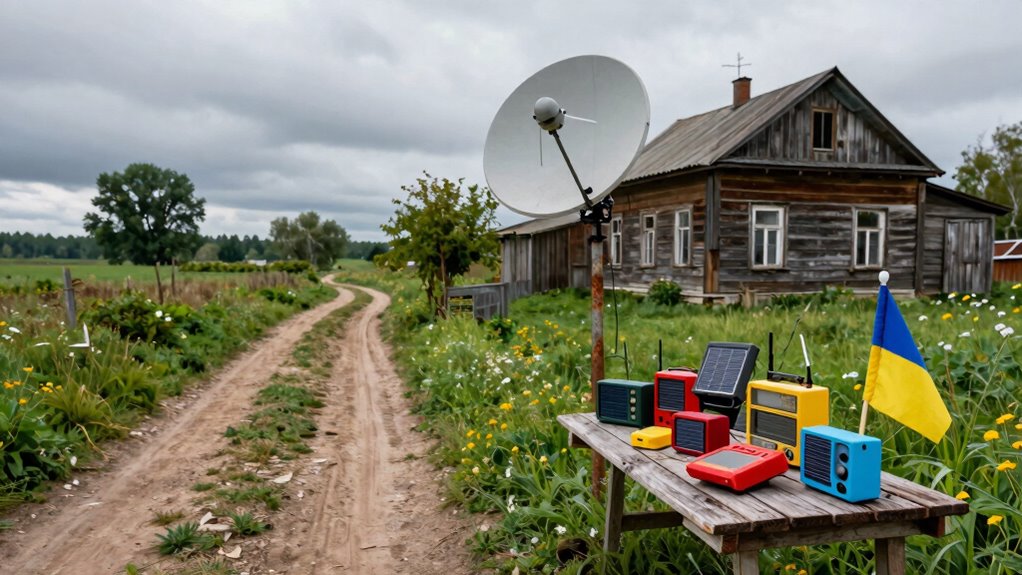
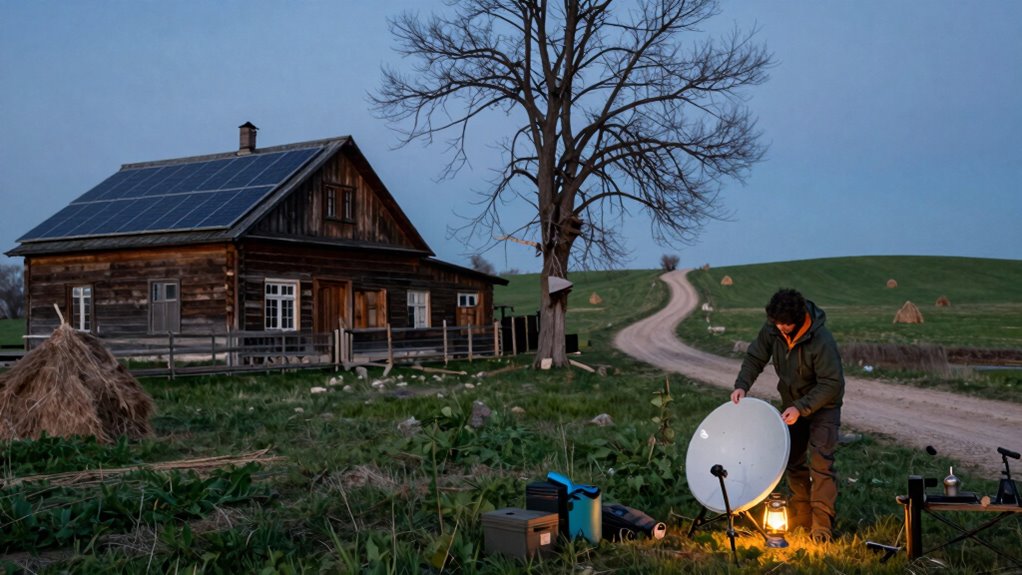
Start by identifying the primary communication challenges in the area. Recognize that traditional cell phones may not always work, so you need backup methods. Emergency preparedness isn’t just about having supplies; it’s about ensuring you can reach out for help or relay important information during crises. Think about establishing landline connections where possible, especially in community centers or local offices, as these often remain operational during power outages or network failures. You should also consider satellite phones, which operate independently of terrestrial networks and can be a lifesaver in remote locations. While they come with costs, their reliability in emergencies makes them invaluable.
Identify local communication challenges and establish backup methods like landlines and satellite phones for reliable emergency contact.
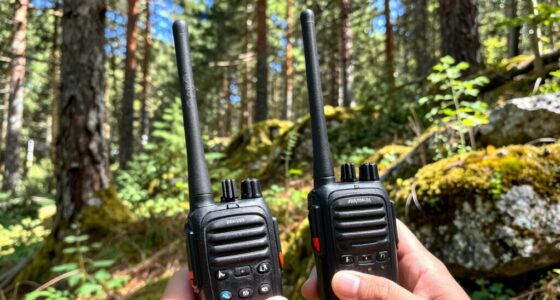
Next, explore technology alternatives that can supplement your communication strategy. Two-way radios or walkie-talkies are practical options, especially for short-range communication within a community or between team members. They don’t rely on cell towers, making them reliable when cell signals are weak or absent. Additionally, investing in ham radio equipment can expand your reach significantly. Ham radios can connect with other operators over long distances, providing a vital link during disasters or network outages. Training community members on how to operate these devices ensures everyone can participate in emergency communication efforts. Building awareness about biodiversity and sustainable practices can also foster stronger community bonds and resilience in times of crisis. Incorporating emergency communication protocols into community training can improve response times and coordination during actual emergencies. Establishing a local amateur radio network can further enhance communication options, especially in areas where other technologies may fail. Moreover, leveraging community networks can enhance trust and information sharing during critical moments. In addition, understanding the importance of reliable communication infrastructure can guide investments and planning to improve resilience.
Another critical element involves establishing clear protocols. Make sure everyone understands how and when to use each communication method. Regular drills or practice sessions can help embed these procedures into routine operations, so during an actual emergency, everyone reacts swiftly and confidently. Consider creating a contact list that includes local emergency services, neighboring communities, and key stakeholders, and distribute it in multiple formats—digital, printed, and even offline, like laminated cards. This ensures accessibility even if some channels are compromised.
Finally, build relationships within the community before an emergency strikes. Know who has the necessary equipment and skills, and foster a culture of preparedness. When your communication plan is well-thought-out and tested, you’ll be better equipped to stay connected when cell service drops. Remember, in rural areas, proactive planning and leveraging technology alternatives are your best tools to safeguard your community and maintain vital lines of communication in challenging times.
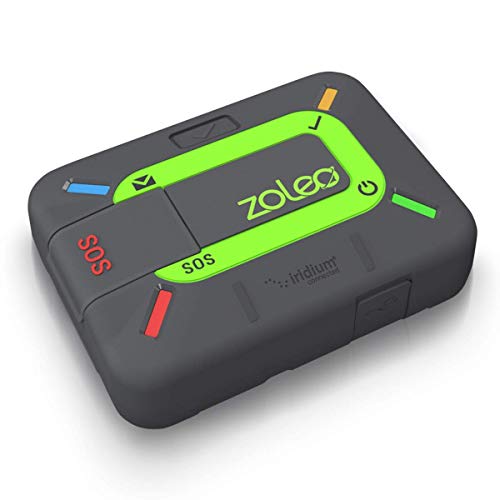
ZOLEO Satellite Communicator
- Global Satellite Messaging: Text and email via satellite, cellular, Wi-Fi
- Emergency SOS Alerts: Send GPS location SOS to emergency center
- Medical Assist Access: Non-emergency medical help available
As an affiliate, we earn on qualifying purchases.
As an affiliate, we earn on qualifying purchases.
Frequently Asked Questions
How Do I Find the Best Alternative Communication Methods for My Area?
To find the best alternative communication methods for your area, start by researching satellite options like portable satellite phones or internet devices, which work where cell service doesn’t. Radio communication is also effective; consider investing in two-way radios or CB radios for reliable, immediate contact. Talk to local emergency services or community groups to discover what others use successfully. Testing different options guarantees you choose the most dependable methods for your needs.
What Budget Considerations Are Involved in Rural Communication Planning?
You’ll find that budget considerations often seem like an afterthought, but they’re vital for your rural communication plan. Conduct a thorough cost analysis to balance affordability with reliability, and carefully select equipment that fits your needs without overspending. Ironically, investing in durable, versatile tools may save you money long-term, especially when unexpected emergencies strike. Prioritize essential features and scalable options to keep costs manageable while ensuring effective communication.
How Often Should I Update My Rural Communication Plan?
You should update your rural communication plan at least twice a year, especially after emergency drills or changes in your communication tools like signal boosters. Regular updates guarantee your plan stays effective and accounts for new technology, potential signal issues, or infrastructure changes. Conduct drills to identify gaps, and revise your plan accordingly. Keeping it current helps you stay prepared for any situation when cell service drops unexpectedly.
Are There Government Programs That Support Rural Communication Infrastructure?
Yes, government programs support rural communication infrastructure development through grants and funding initiatives. You can explore federal and state grants designed to improve cell service and broadband access in rural areas. These programs aim to boost infrastructure development, making communication more reliable. To access these resources, research local agencies or visit government websites, where you’ll find application details and eligibility requirements to strengthen your rural communication strategies.
How Can I Train My Family or Community to Use New Communication Tools?
Think of training your family or community as planting seeds for emergency preparedness. You can organize community workshops and conduct regular emergency drills to familiarize everyone with new communication tools. Practice using radios, satellite devices, or substitute apps so they become second nature. This hands-on approach guarantees everyone knows what to do when cell service drops, turning chaos into calm, and making your community more resilient in times of need.
Conclusion
Remember, your communication plan is like a lighthouse guiding you through a storm. When cell service drops, it’s your beacon of hope, shining with backup plans and emergency signals. Keep your tools ready—radios, signals, and community bonds—so you’re never left adrift. By preparing now, you guarantee that even in the darkest night, your message will find its way home. Stay vigilant, stay connected, and let your plan be the steady flame in uncertain times.