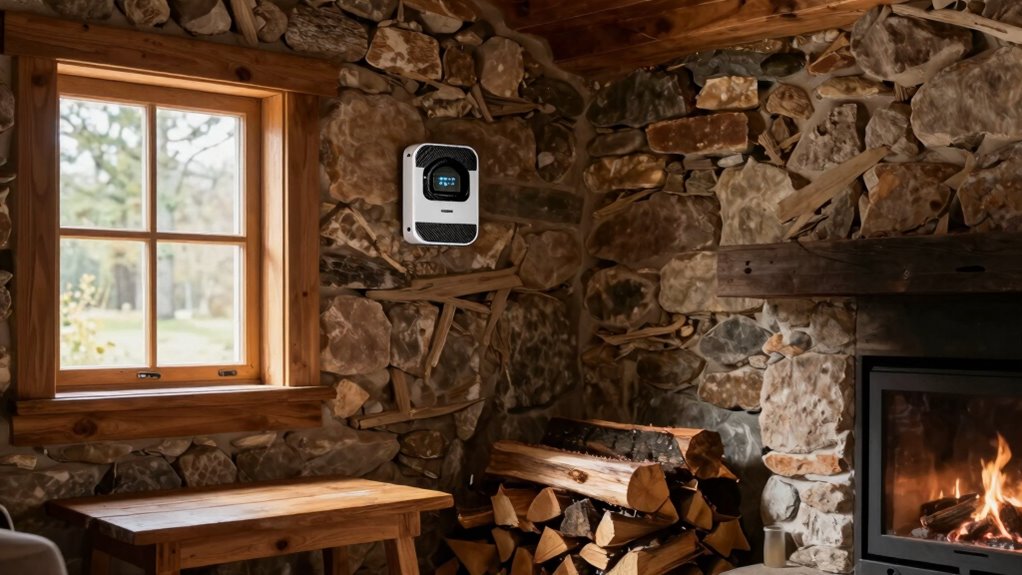
If you live in a rural building, you might think CO alarms aren’t necessary, but that’s a dangerous misconception. Rural homes depend on individual heating systems, generators, and appliances, increasing CO risks. Limited emergency response and less frequent inspections make early warning even more essential. Proper ventilation and regular maintenance help prevent dangerous buildup. To protect yourself and your loved ones, it’s important to understand where and how to install these alarms—there’s more to know if you want to stay safe.
Key Takeaways
- Rural buildings often rely on individual heating, increasing CO risk without centralized safety systems.
- Outdated appliances and poor venting are common in rural homes, elevating carbon monoxide danger.
- Limited emergency services mean early detection via alarms is critical in rural settings.
- Garages and workshops with fuel-powered tools are frequent CO sources needing alarms.
- Regular maintenance and proper placement of CO alarms are essential due to less frequent inspections in rural areas.
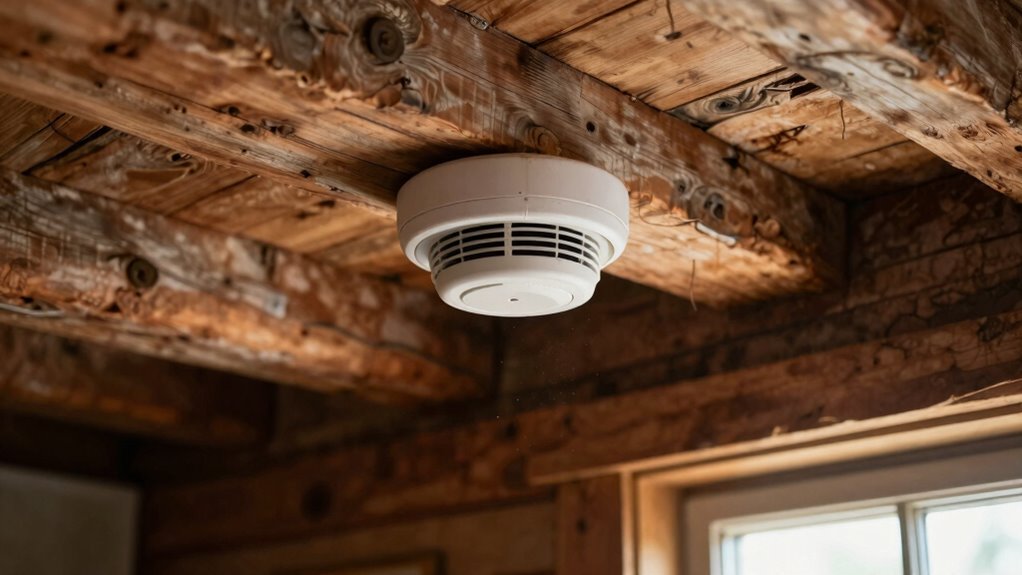
Rural buildings often face unique challenges when it comes to safety, especially regarding carbon monoxide poisoning. Unlike urban areas with centralized services, rural homes and structures often rely on individual heating systems, generators, and appliances that can produce dangerous levels of carbon monoxide if not properly managed. Because of this, maintaining good indoor air quality becomes essential. Carbon monoxide is odorless, colorless, and tasteless, making it nearly impossible to detect without alarms. Without the right safeguards, you risk exposure that can lead to serious health issues or even death. That’s why installing carbon monoxide alarms is a fundamental part of your overall safety plan, especially in rural settings where emergency response might take longer.
Emergency preparedness is key, and that includes knowing how to prevent and respond to carbon monoxide leaks. Having alarms installed in key areas—near sleeping spaces, heating sources, and garages—can alert you before levels become dangerous. Rural buildings often have less frequent inspections or maintenance, making these alarms even more important. Properly functioning alarms give you time to evacuate and call for help, reducing the risk of poisoning. It’s also essential to regularly test these devices and replace batteries to confirm they work when needed. Emergency preparedness isn’t just about having alarms; it’s about knowing what to do if they sound. You should develop a safety plan, including how to exit the building quickly and how to notify neighbors or emergency services. Regular maintenance of heating and ventilation systems can further reduce the risk of carbon monoxide buildup.
Indoor air quality in rural buildings can be compromised by outdated or poorly maintained heating equipment, wood stoves, or generators, all of which can emit carbon monoxide if not properly vented. Preventative measures, like routine inspections and installing alarms, help you stay proactive. When you consider the long winter months or periods of heavy use of fossil fuel appliances, the importance of indoor air quality becomes even more apparent. Investing in carbon monoxide alarms isn’t just about compliance; it’s about protecting yourself and loved ones from silent, deadly threats. Additionally, proper ventilation can significantly reduce the risk of dangerous CO buildup in enclosed spaces. Being aware of emission sources in your home can help you identify potential hazards before they become critical. Understanding common sources of carbon monoxide allows you to better mitigate risks within your property.
Ultimately, it’s about recognizing that the safety of rural buildings depends on more than just traditional precautions. The reality is, with the right alarms and emergency preparedness strategies in place, you greatly reduce the risk of carbon monoxide poisoning. You’re creating a safer environment where you can sleep soundly, knowing that if a leak occurs, your alarms will alert you promptly. In rural areas, where help can be farther away, taking these proactive steps makes all the difference. Ensuring your indoor air quality is top-notch and your emergency preparedness is current should be top priorities—because safety isn’t something you can afford to overlook.
carbon monoxide alarm for rural homes
As an affiliate, we earn on qualifying purchases.
As an affiliate, we earn on qualifying purchases.
Frequently Asked Questions
Are Carbon Monoxide Alarms Legally Required in All Rural Buildings?
Legal requirements for alarm installation vary by location, so not all rural buildings are mandated to have carbon monoxide alarms. You need to check your local regulations to see if they’re required in your specific building type. Even if not legally necessary, installing alarms is a smart safety measure. You should proactively add them to protect yourself and others from the dangers of carbon monoxide poisoning.
How Often Should Rural Buildings’ CO Alarms Be Tested and Replaced?
Did you know that neglecting alarm maintenance can be dangerous? You should test your rural building’s CO alarms monthly and replace them every 5 to 7 years, depending on the manufacturer’s instructions. Regular replacement schedules guarantee reliable detection, giving you peace of mind. Stay proactive—checking and updating your CO alarms regularly helps keep everyone safe from carbon monoxide risks. Don’t wait until it’s too late!
Can Outdoor Buildings or Sheds Benefit From CO Alarms?
Outdoor buildings and sheds can benefit from CO alarms, especially if they house fuel-powered equipment or have poor ventilation. Installing a CO alarm enhances outdoor safety by alerting you to dangerous fumes. Proper shed ventilation reduces CO buildup, but an alarm provides extra protection. If you store gas tools or generators outdoors, adding a CO alarm is a wise safety step to prevent silent, deadly poisoning.
What Are the Signs of Carbon Monoxide Poisoning in Rural Homes?
If you notice unusual headaches, dizziness, or nausea, it could be your body hinting at poor indoor air quality. These subtle signs may be early warnings of carbon monoxide poisoning in your rural home. Keep emergency preparedness in mind by installing alarms and ensuring proper ventilation. Regularly check appliances and be vigilant; your body’s signals are essential cues. Prioritize safety to protect your loved ones from unseen dangers.
Do Rural Buildings Have Unique Risks for Carbon Monoxide Buildup?
Yes, rural buildings face unique risks for carbon monoxide buildup because they often rely on indoor heating and cooking appliances that may lack proper ventilation. Poor indoor air quality can trap CO, especially if ventilation systems are outdated or insufficient. You need to make sure your buildings have working carbon monoxide alarms and proper ventilation to prevent dangerous buildup, protecting everyone’s health and safety.
hardwired CO detector with digital display
As an affiliate, we earn on qualifying purchases.
As an affiliate, we earn on qualifying purchases.
Conclusion
Remember, installing carbon monoxide alarms in rural buildings isn’t just a good idea—it’s crucial. Think of these alarms as vigilant guardians, silently watching over you like loyal sentinels. They’re your first line of defense against unseen dangers lurking in the shadows of rural living. Don’t wait until it’s too late; make sure every building has this essential safety device. Protect yourself and your loved ones by treating these alarms as non-negotiable friends in your home.
battery operated carbon monoxide alarm
As an affiliate, we earn on qualifying purchases.
As an affiliate, we earn on qualifying purchases.
dual smoke and carbon monoxide detector
As an affiliate, we earn on qualifying purchases.
As an affiliate, we earn on qualifying purchases.