
Installing smoke detectors in shops and barns is just the first step; you need ongoing maintenance and regular checks to keep them working effectively during emergencies. Test them monthly, clean off dust and debris, and replace units every 8-10 years or when necessary. In tough environments, consider specialized detectors like heat sensors. Staying proactive ensures your safety devices remain reliable when every second counts—keep going to discover how to maintain them properly.

Get garden gear delivered free — and shop member deals
- Fast, free delivery on millions of items
- Access to Prime Big Deal Days deals on October 6–7
- Prime Video, Amazon Music and more included
Key Takeaways
- Regular testing and visual inspections are essential to ensure smoke detectors remain functional over time.
- Detectors should be replaced every 8-10 years to maintain sensitivity and reliability.
- Environmental factors like dust, fumes, and humidity can impair detector performance, requiring specialized units or extra maintenance.
- Proper placement and environmental assessment help prevent false alarms and ensure accurate smoke detection.
- Ongoing maintenance, record-keeping, and tailored solutions are crucial for effective fire safety in shops and barns.
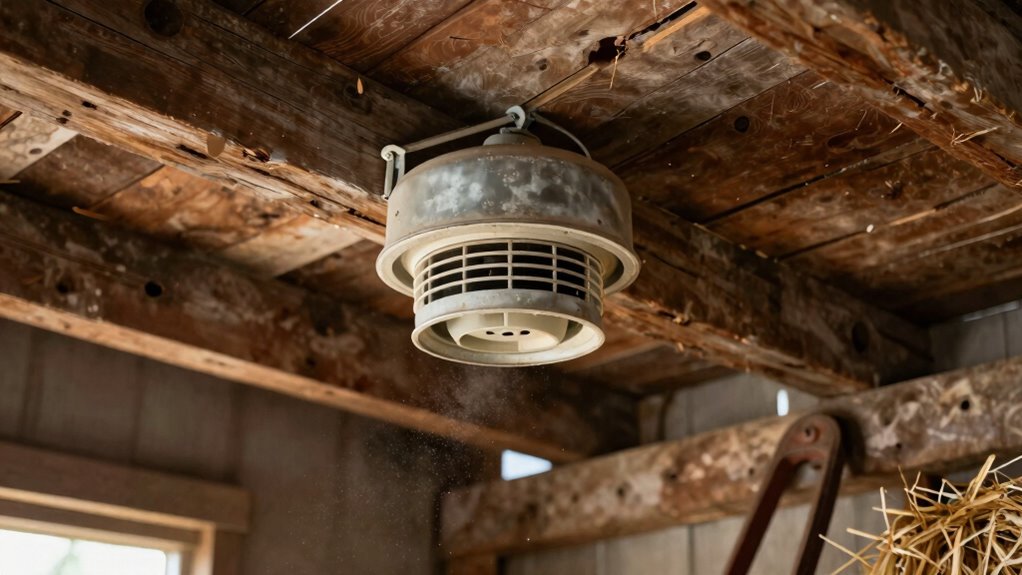
Installing smoke detectors in shops and barns isn’t just about ticking a box—it’s about guaranteeing safety when it matters most. While a quick install might seem enough to meet regulations, true fire safety requires ongoing attention. Smoke detectors are your first line of defense against fires, but they only work well if you keep up with proper maintenance routines. You need to check them regularly, verifying they’re functioning properly and replacing batteries when necessary. Neglecting these routines can turn a reliable safety device into a useless piece of equipment during an emergency.
Regularly maintaining smoke detectors ensures they’re ready to protect you when it counts most.
You should test your smoke detectors at least once a month to confirm they’re working. Most units have a test button—press it and listen for the alarm. If it doesn’t sound, you need to troubleshoot immediately, which could mean replacing the battery or the entire unit. Visual inspections are equally important; look for dust, cobwebs, or debris that might block the sensors. Keeping the detectors clean ensures they can accurately detect smoke and alert you early enough to respond. Regular maintenance is essential to keep your smoke detectors in top condition.
Maintenance routines also involve replacing smoke detectors entirely after about 8-10 years, depending on the manufacturer’s recommendations. Over time, smoke sensors can become less sensitive, and replacing outdated units is a crucial part of fire safety. You should record the installation date and schedule reminders to replace detectors before they expire. This proactive approach prevents situations where faulty detectors give false reassurance or fail during a fire. Additionally, understanding fire safety standards helps ensure proper compliance and safety measures are in place.
In barns and shops, where dust, fumes, and humidity are common, maintaining smoke detectors becomes even more essential. These environments can cause false alarms or damage the sensors if you’re not diligent. Consider installing heat detectors or combination units designed to withstand such conditions for added security. Regularly inspecting and cleaning your detectors in these settings helps prevent false alarms and ensures they’re ready if a real fire starts. Proper environmental considerations are vital for effective fire detection in challenging environments.
Furthermore, understanding environmental conditions can help you choose the right type of detector to withstand specific challenges in these settings.
smoke detectors with regular maintenance
As an affiliate, we earn on qualifying purchases.
As an affiliate, we earn on qualifying purchases.
Frequently Asked Questions
How Often Should Smoke Detectors in Shops and Barns Be Tested?
You should test your smoke detectors in shops and barns monthly to guarantee they’re functioning properly. During testing, check the sensor sensitivity, making sure it responds correctly to smoke, and replace batteries annually or when the low-battery chirp sounds. Regular testing and battery replacement prevent false alarms and ensure your smoke detectors are ready to alert you in emergencies, providing essential safety for your property and loved ones.
Are There Specific Smoke Detector Types Recommended for Agricultural Buildings?
For agricultural safety, you should choose smoke detectors designed for harsh environments, such as photoelectric or combination units that resist dust and humidity. Proper detector placement is vital; install them near potential fire sources and guarantee they’re mounted high on walls or ceilings for maximum coverage. Regular testing and maintenance are necessary to keep your detectors functioning correctly, providing reliable early warning and protecting your barns and shops effectively.
What Maintenance Is Required to Ensure Long-Term Functionality?
To guarantee your smoke detector stays functional, you need to regularly check battery replacement and sensor cleaning. For example, in a barn fire incident, a well-maintained detector alerted the owner early, preventing major damage. You should replace batteries annually and clean the sensors with a soft brush or compressed air every few months. This routine maintenance guarantees reliable performance and safety in your agricultural building.
Can Smoke Detectors Be Connected to a Fire Alarm System?
Yes, smoke detectors can be connected to a fire alarm system, often through wireless integration, making setup easier and more flexible. You’ll want to contemplate different power supply options, like battery or hardwired units, to guarantee continuous operation. Connecting detectors allows for centralized monitoring, quicker response times, and enhanced safety. Just make certain of compatibility with your fire alarm system and adhere to local regulations for proper installation and functionality.
What Are the Legal Requirements for Installing Smoke Detectors in These Buildings?
You must follow building codes and safety standards when installing smoke detectors in shops and barns. These regulations typically require detectors to be properly positioned, regularly maintained, and interconnected where possible for maximum safety. Check local laws, as they may specify the number of detectors needed based on building size, occupancy, and hazard levels. Ensuring compliance helps protect lives and property while meeting legal obligations.
Conclusion
You might think installing smoke detectors is enough, but it’s just the start. Regular maintenance and proper placement are essential to truly safeguard your shop or barn. Did you know that barns are five times more likely to experience a fire compared to homes? By investing time in proper installation and upkeep, you greatly reduce the risk. Don’t settle for a quick fix—your safety and property depend on doing it right.
Fall yard work Picks
leaf blowers
As an affiliate, we earn on qualifying purchases.