To dry wet gear after floods and storms, start by removing as much water as possible using towels or absorbent cloths. Then, use fans or dehumidifiers in a well-ventilated area to speed up drying, and hang items in sunlight if possible. Make certain of good airflow around everything and avoid stacking items. For thorough drying and mold prevention, acting quickly and systematically is key—keep exploring for more tips on safeguarding your belongings.
Key Takeaways
- Immediately blot and remove excess water from gear using towels or absorbent materials.
- Use fans, dehumidifiers, and sunlight to enhance airflow and accelerate drying.
- Store wet items in well-ventilated, open spaces to prevent mold and mildew growth.
- Wash and disinfect clothing and fabrics with hot water and appropriate disinfectants.
- Regularly inspect and re-clean items to ensure complete dryness and prevent mold development.
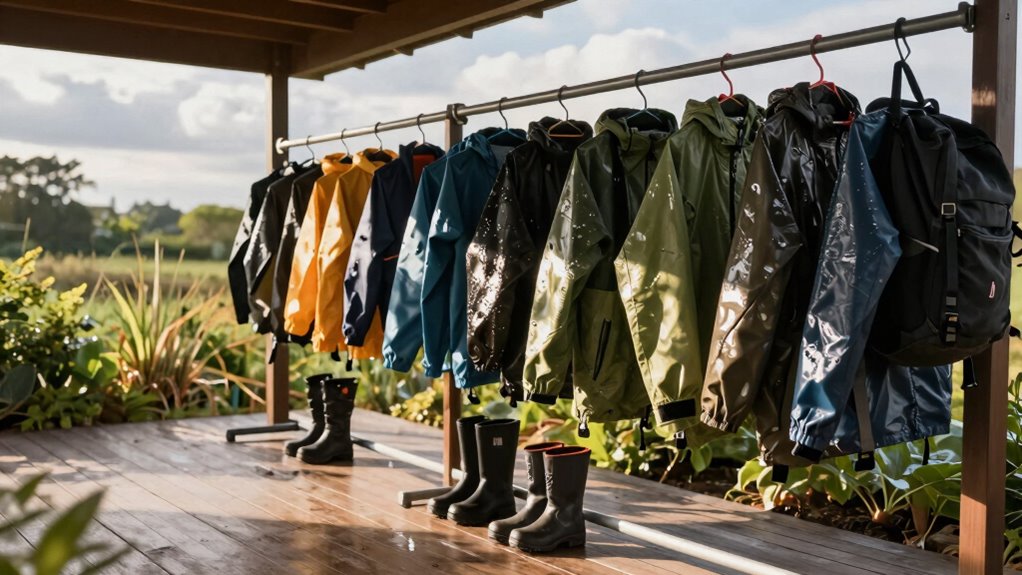
After a flood, drying your wet gear promptly is essential to prevent mold, bacteria growth, and further damage. When dealing with soaked items, your first priority is to remove excess water as quickly as possible. Use towels or absorbent cloths to blot and squeeze out moisture from clothing, upholstery, and other fabric items. Once the bulk of the water is gone, you need effective drying techniques to prevent deterioration. Air circulation is your best tool here. Set up fans or use a dehumidifier in a well-ventilated space to accelerate drying. If possible, hang wet gear on racks or clotheslines in sunny areas, ensuring good airflow around everything. Sunlight can help kill bacteria and mold spores, but avoid prolonged exposure for delicate fabrics that might fade or weaken.
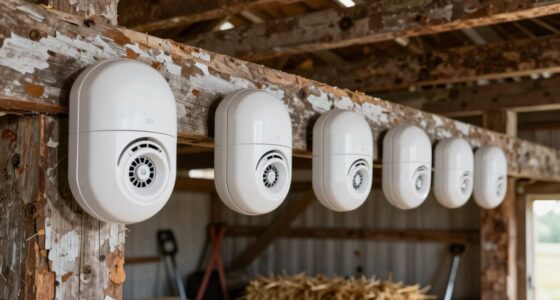
Proper storage solutions play a crucial role in the drying process. Immediately transfer wet items to a dry, ventilated area to prevent mildew development. Use open shelving or drying racks instead of sealed containers, which trap moisture and promote mold growth. For larger or heavier items like mattresses or furniture, consider using specialized drying tents or covering them with breathable tarps to improve airflow. If you have multiple items, avoid stacking or piling them; instead, space them out to maximize exposure to dry air. This approach ensures each piece dries evenly and reduces the risk of mold. Effective drying techniques are vital to preventing long-term damage and health hazards. Additionally, adjusting the airflow to maximize moisture removal can significantly speed up the process.
Cleaning techniques are equally important in restoring your gear after flooding. Once items are dry enough to handle, wash clothing and fabric items with hot water and a disinfectant or mild bleach solution to eliminate bacteria and mold spores. For non-washable items, wipe down surfaces with a mixture of water and vinegar or a commercial disinfectant. Pay attention to seams, zippers, and hidden areas where mold spores tend to hide. For porous materials like upholstery, consider professional cleaning or, if feasible, replacing them altogether to prevent health hazards. Regularly inspect your gear during the drying process, and re-clean if you notice any lingering mold or odors. Ensuring proper ventilation throughout the drying process is crucial for effective moisture removal and mold prevention. Ultimately, drying wet gear after floods requires a combination of effective storage solutions, thorough cleaning techniques, and diligent air circulation. Acting quickly and methodically minimizes damage, reduces health risks, and helps restore your belongings to a safe, usable condition. Prioritize ventilation and cleanliness, and your gear has a better chance of surviving the flood’s aftermath intact.

ECOMAX Air Mover Blower Fan 950 CFM with Timer, Floor Fan EMAM1090A
- Fast Drying for Carpets and Floors: Speeds up water damage cleanup
- High Airflow with Low Power: 950 CFM at 1.8 amps
- Customizable Airflow Settings: 3 speeds and 3 angles
As an affiliate, we earn on qualifying purchases.
As an affiliate, we earn on qualifying purchases.
Frequently Asked Questions
How Long Does It Typically Take to Fully Dry Wet Gear?
It typically takes 24 to 48 hours for your gear to fully dry, depending on the material and drying conditions. To speed up gear maintenance, use effective drying techniques like air drying in a well-ventilated area and avoiding direct heat sources. Regularly check your gear to guarantee it’s dry inside and out. Proper drying prevents mold and prolongs your gear’s lifespan, keeping it ready for next time.
Can I Use a Regular Household Dryer for Waterproof Gear?
You can technically use a household dryer for waterproof gear, but it’s not recommended. Waterproof fabrics often require gentle drying methods to prevent damage, and a household dryer can be too harsh or cause the waterproof coating to degrade over time. Instead, let your waterproof gear air dry naturally in a well-ventilated area, avoiding direct sunlight. This preserves the gear’s waterproof properties and extends its lifespan.
What Are the Risks of Improper Drying Methods?
Did you know improper drying causes 60% of waterproof gear failures? If you dry gear incorrectly, chemical treatments may break down, reducing water resistance. You also risk mold growth, which can cause health issues. Avoid storage precautions like dampness or heat, as they worsen damage. Always follow manufacturer instructions for proper drying, ensuring your gear stays effective and safe to use longer. Proper drying preserves both your gear and your safety.
Is It Safe to Reuse Gear After Flooding Without Professional Cleaning?
It’s not safe to reuse gear after flooding without professional cleaning. You need proper cleaning procedures to remove contaminants and prevent health risks. Follow safety precautions like wearing gloves and masks during cleaning, and guarantee the gear is thoroughly disinfected and dried. If you’re unsure, consult professionals for effective cleaning. Reusing contaminated gear can lead to infections or illnesses, so prioritizing proper cleaning is essential before reuse.
How Can I Prevent Mold Growth During the Drying Process?
Imagine you’ve just finished drying your gear; to prevent mold growth, focus on moisture control by ventilating the area and using fans. For example, in a recent case, a homeowner improved airflow and used dehumidifiers, which effectively minimized mold development. Consistently monitoring moisture levels and ensuring thorough drying are key to mold prevention. Keep gear spread out and avoid damp, enclosed spaces for ideal moisture control during the drying process.
Conclusion
Think of drying your wet gear after floods as tending a delicate garden. With patience and care, you nurture each piece back to life, allowing them to regain their strength and beauty. Rushing or neglecting this process is like ignoring weeds that can choke your plants. By taking the time to dry and restore your gear properly, you make certain they’re ready to face the next storm—strong, resilient, and ready to bloom again.