TL;DR

Get garden gear delivered free — and shop member deals
- Fast, free delivery on millions of items
- Access to Prime Big Deal Days deals on October 6–7
- Prime Video, Amazon Music and more included
A new, easy method encourages homeowners to help bees survive heatwaves by placing a shallow saucer filled with water and pebbles. This simple action can provide critical hydration for bees during hot weather. Experts emphasize its quick implementation and potential impact on local bee populations.
Experts and environmental advocates are urging homeowners to help bees survive rising temperatures by placing a shallow saucer filled with water and pebbles in their gardens. This simple, quick action can provide essential hydration for bees during heatwaves, potentially saving lives amid increasingly frequent extreme weather events.
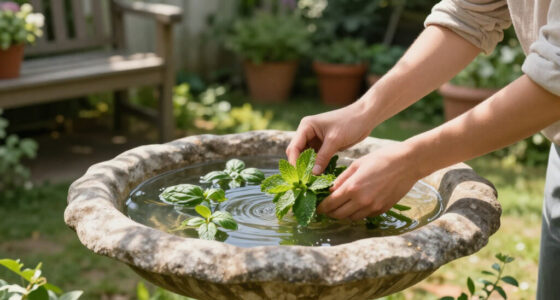
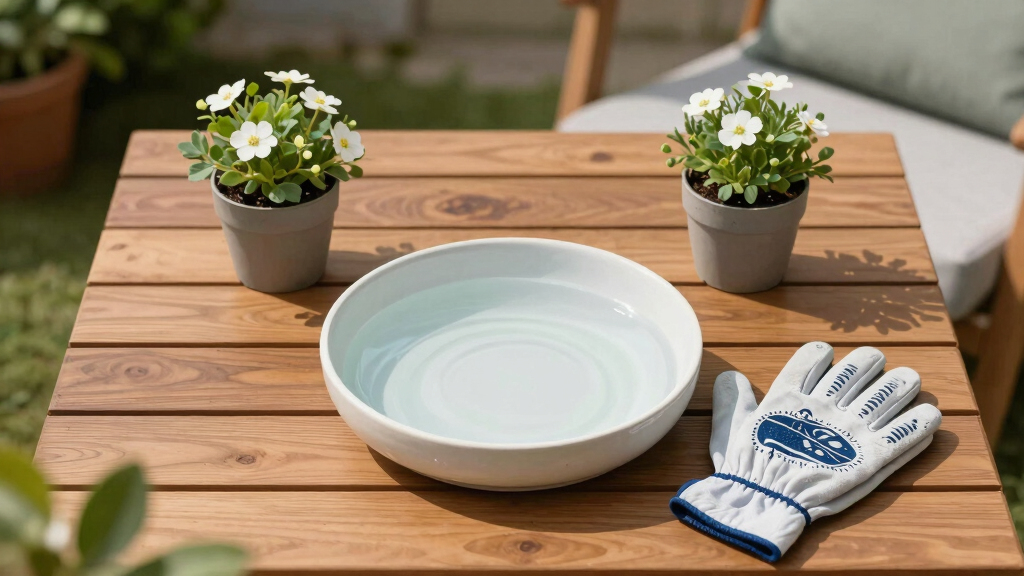
According to environmental groups, placing a small saucer or shallow dish filled with water and small stones or pebbles can serve as a vital hydration station for bees during hot weather. This method is easy to implement, requiring only a few minutes, and does not need specialized equipment. Experts say that bees often struggle to find water during heatwaves, which can lead to dehydration and death, especially among vulnerable colonies.
Local conservationists have begun promoting this practice across communities, emphasizing its potential to support bee populations. They recommend placing the saucer in a shaded area, ensuring the water remains fresh, and replacing it regularly to prevent mosquito breeding. This initiative aims to empower citizens to contribute to pollinator health during the summer months.
Why Supporting Bees During Heatwaves Matters
Bees are essential pollinators, vital for the pollination of many crops and wild plants. With climate change increasing the frequency and intensity of heatwaves, bee populations face heightened risks of dehydration and mortality. Simple actions like providing accessible water sources can help sustain local bee populations, supporting biodiversity and agricultural productivity. Experts warn that declining bee numbers threaten food security and ecosystem health, making community-led efforts increasingly important.
As an affiliate, we earn on qualifying purchases.
Increasing Heatwaves and Bee Survival Challenges
Recent summers have seen a surge in heatwave events, with temperatures rising to levels that can be lethal for bees. Studies indicate that dehydration is a significant factor contributing to bee mortality during extreme heat, as natural water sources become scarce or difficult for bees to access. Previous conservation efforts have focused on habitat preservation and pesticide reduction; now, simple water stations are gaining attention as an immediate, accessible intervention.
This initiative aligns with broader efforts to mitigate climate impacts on pollinators, emphasizing community involvement and low-cost solutions to support bee health during critical periods.
“Providing bees with easy access to water during heatwaves can make a significant difference in their survival rates. It’s a simple action that anyone can do in minutes.”
— Dr. Lisa Martin, Entomologist
Uncertain Impact and Long-Term Effectiveness
While initial feedback is positive, it is not yet clear how much this practice will impact bee survival rates across larger populations or different regions. Scientific studies are ongoing to quantify the effectiveness of water stations during prolonged or severe heatwaves. Additionally, questions remain about optimal placement, water freshness, and potential unintended effects such as mosquito breeding.
Next Steps for Community and Scientific Evaluation
Researchers plan to monitor bee activity around water stations over the coming months to assess their impact. Conservation groups are encouraging more communities to adopt this practice and share their observations. Further studies may refine guidelines for maximum benefit, including the best placement, water maintenance, and integration with other pollinator support strategies.
Key Questions
How do I set up a bee-friendly water station?
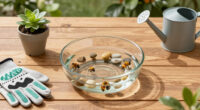
Place a shallow dish or saucer in a shaded area, fill it with clean water, and add small stones or pebbles for bees to land on and access the water safely. Replace the water regularly to keep it fresh.
Will this attract mosquitoes?
If the water is kept clean and changed frequently, the risk of mosquito breeding is minimized. Adding stones or pebbles helps prevent standing water where mosquitoes lay eggs.
Is this method effective during prolonged heatwaves?
Initial observations suggest it helps during short-term heatwaves, but ongoing research is needed to confirm its effectiveness during extended extreme heat periods.
Can I use any container for this purpose?
Yes, as long as it is shallow, stable, and can hold water without tipping over. Common options include small plant saucers, shallow bowls, or even reused lids.
Are there other ways to help bees during heatwaves?
Yes, providing native flowering plants for nectar, avoiding pesticides, and creating shaded habitats also support bee health during hot weather.
Source: rss
Fall yard work Picks
leaf blowers
As an affiliate, we earn on qualifying purchases.