
TL;DR

Get garden gear delivered free with Prime
- Fast, free delivery on millions of items
- Prime Video, Amazon Music and more included
- Member-only deals all year
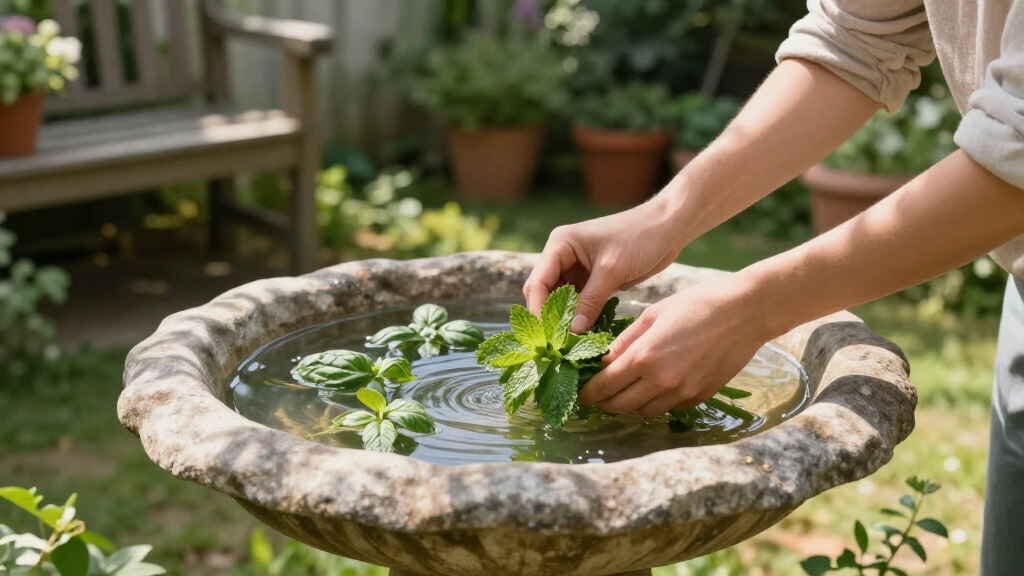
A TikTok video has gone viral, advising people to put herbs in bird baths. Experts warn that this practice may pose health risks to birds, but the advice is not universally supported. The story highlights concerns about misinformation on social media and bird safety.
A TikTok video has gained widespread attention, recommending that people put herbs in their bird baths to attract and benefit birds. However, experts warn that this practice may pose health risks to birds, raising concerns about misinformation spreading on social media.
The TikTok clip, which has amassed thousands of views, suggests placing herbs such as mint or basil in bird baths as a natural way to attract birds and improve their well-being. The creator claims this enhances bird health and provides a natural remedy, but there is no scientific evidence supporting these claims.
Wildlife and bird care experts have responded cautiously, emphasizing that adding herbs directly to bird baths could introduce potential risks, including bacterial growth, mold, or toxicity if the herbs are contaminated or unsuitable for birds. The practice is not recommended by major bird conservation organizations.
There is no official guidance from ornithologists or wildlife agencies endorsing the use of herbs in bird baths, and many advise maintaining clean, fresh water as the best way to support bird health.
Potential Risks of Using Herbs in Bird Baths
This story matters because misinformation on social media can lead to unintended harm to wildlife. While the TikTok suggestion may seem harmless, introducing herbs into bird baths without proper knowledge could cause health issues for birds, such as exposure to mold, bacteria, or toxic substances.
Understanding safe practices for bird care is crucial for conservation efforts and for individuals who enjoy birdwatching or feeding wildlife. Misinformation can undermine these efforts if harmful practices become widespread.
As an affiliate, we earn on qualifying purchases.
Viral TikTok videos often influence public behavior, sometimes promoting unverified or unsafe practices. Experts frequently warn that social media trends can spread misinformation about wildlife care, leading to potential harm. In this case, the trend of adding herbs to bird baths appears to be a new example of such a phenomenon, with no scientific backing.
Previous trends, such as homemade bird feeders or unverified remedies, have similarly raised concerns among conservationists and bird enthusiasts. Authorities advise sticking to established, evidence-based practices for wildlife support.
“Adding herbs to bird baths is not supported by scientific evidence and could introduce harmful bacteria or mold, which may be dangerous for birds.”
— Dr. Emily Carter, Ornithologist
Unverified Claims About Herb Benefits for Birds
It is not yet clear whether the herbs recommended on TikTok actually provide any health benefits to birds or if they could cause harm. There is no scientific research validating the claimed benefits, and the risks associated with introducing herbs into bird baths remain largely unstudied.
Further investigation is needed to determine if certain herbs are safe or toxic for wildlife when used in this manner.
Wildlife agencies and bird conservation groups are expected to issue official guidance on safe bird bath practices in response to this viral trend. Researchers may also study the effects of herbal additives on bird health to provide clearer recommendations.
Public awareness campaigns could help prevent the spread of potentially harmful misinformation and promote best practices for supporting local bird populations.
Key Questions
Are herbs safe for birds in bird baths?
There is no conclusive scientific evidence that herbs are safe or beneficial for birds in baths. Experts generally recommend providing clean, fresh water instead.
Can putting herbs in bird baths harm birds?
Yes, introducing herbs could lead to bacterial growth, mold, or toxicity, which can be harmful to birds. It is best to avoid adding substances that are not proven safe.
What should I do if I saw this TikTok trend?
Follow guidance from wildlife experts and conservation organizations. Stick to providing clean water and avoid adding herbs or other substances unless verified as safe.
Why do social media trends matter for wildlife safety?
Trends can influence people’s actions, sometimes leading to unintentional harm to animals. Reliable information from experts is essential to ensure safe practices.
Source: rss
Halloween Picks
halloween
As an affiliate, we earn on qualifying purchases.