TL;DR

Get garden gear delivered free with Prime
- Fast, free delivery on millions of items
- Prime Video, Amazon Music and more included
- Member-only deals all year
Gardening Know How says planting garlic cloves about 4 inches deep in loose, well-drained soil may help produce larger bulbs by protecting roots and reducing frost heaving. The advice depends on drainage, planting time, clove size and local climate; it is not a guarantee of doubled bulb size.
Gardening Know How recommends planting garlic cloves about 4 inches deep—rather than the commonly advised 1 to 2 inches—when the soil is loose and drains well, saying the extra cover can protect roots and help plants grow larger bulbs. The guidance is aimed at home gardeners, including beginners, but it cautions that deeper planting in wet, heavy soil can cause cloves to rot or shoots to struggle.
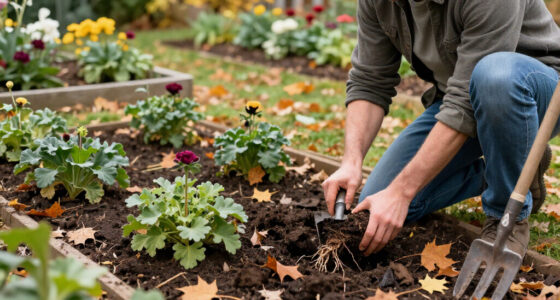
The report’s proposed method begins with soil preparation. It advises using a raised bed or naturally free-draining ground, then incorporating compost to improve soil structure. For soil that lacks nutrients, the article suggests replenishing them before planting with a slow-release fertilizer high in phosphorus. It does not provide a specific application rate, so gardeners should follow the product label.
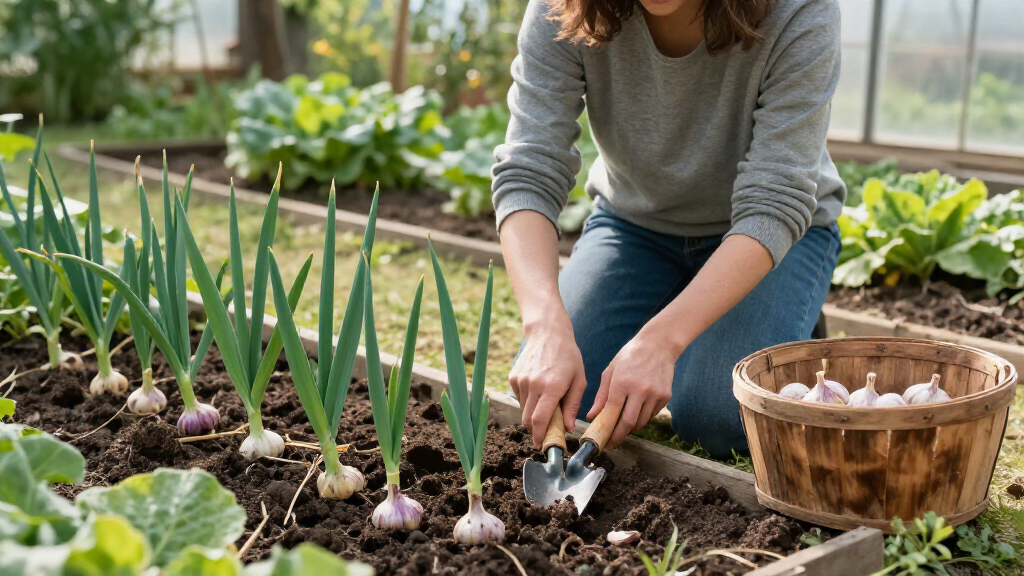
In suitable soil, the article recommends choosing the largest cloves from a garlic bulb and placing them pointy-end up, around 4 inches deep and 6 inches apart. Its explanation is that additional soil cover insulates cloves, supports continued root growth before and during cold weather, and may reduce frost heaving—the movement that can push shallow cloves out of the ground. Strong roots can help plants take up water and nutrients as spring growth resumes.
Timing depends on local conditions. The report places planting at roughly three weeks after the first frost as a general guide, with its suggested calendar ranging from October in USDA zones 1–6 to later October in zones 7–8 and November in zones 9–10. It also says most garlic varieties need an 8-to-10-week period below 45°F to form bulbs, and suggests chilling garlic before planting in very warm zones. Gardeners should account for their variety and local growing conditions rather than treat those dates as universal.
How Root Growth Can Shape Bulbs
The recommendation focuses on a part of garlic growing that gardeners may overlook: the root system established before spring. If deeper planting is used in soil that drains well, added insulation may give roots more time to grow and help protect cloves from frost heaving. That could support healthier foliage and bulb development, which matters to gardeners hoping to get more from a small planting area.
The method also has a clear limitation: drainage is a precondition, not a minor detail. In heavy, waterlogged ground, planting more deeply can increase the risk of rot. The report’s advice is therefore best treated as a conditional gardening technique, not a general instruction to bury every garlic clove deeper. Bulb size also depends on factors such as variety, weather, soil and care through the growing season.
As an affiliate, we earn on qualifying purchases.
From Shallow Planting to Deeper Soil
The Gardening Know How report contrasts its advice with the familiar rule of planting cloves 1 to 2 inches deep. It says that guidance arose when gardeners commonly grew garlic in ground that could remain wet through winter, making rot a concern. The newer recommendation is not presented as suitable for every site: it applies to loose, well-drained soil, including raised beds or ground improved with compost.
The report also connects planting depth to fall and winter root development. It says roots can pause when soil freezes and resume growth when temperatures rise above 41°F. In spring, foliage uses sunlight to support bulb growth, while loose soil gives bulbs room to expand. The article advises watering during dry periods in spring and early summer as bulbs swell, then reducing watering as foliage begins to yellow.
“The sweet spot to plant garlic cloves for big bulbs is around three weeks after your first frost, depending on your USDA zone.”
— Gardening Know How
Limits of the Bulb-Size Claim
The supplied report does not provide details of a controlled trial, specific yield measurements or a comparison showing how much larger bulbs become with deeper planting. Its headline suggests the approach can double bulb size, but the article text does not establish that result as a consistent outcome. How much the technique changes bulb size remains unclear, and results are likely to vary with soil, variety, weather and growing practices.
The source also does not give a publication date or specify the exact garlic varieties to which the depth recommendation applies. Its reference to chilling garlic in warm zones is general; gardeners should check the needs of their chosen variety and local guidance before relying on that step.
What Gardeners Should Check
Before planting, gardeners can check whether their soil drains freely and whether local conditions suit fall planting. Those with dense or persistently wet soil should not assume the deeper method is appropriate. After preparing the bed, select the largest healthy cloves, space them as recommended if the site permits, and follow local planting guidance for timing and variety.
During the growing season, the report advises watering during dry spells while bulbs are swelling, then easing off as foliage yellows. The outcome can be judged at harvest, but the source provides no follow-up trial or confirmed results for gardeners using the method. Its central recommendation remains conditional: deeper planting may help in well-drained soil, but it is not a guaranteed shortcut to larger garlic.
Key Questions
How deep does the report recommend planting garlic?
It recommends planting cloves about 4 inches deep in loose, well-drained soil, compared with the common 1-to-2-inch rule. It warns against using this depth in heavy, wet ground.
Why might deeper planting help garlic?
Gardening Know How says extra soil cover can insulate cloves, support root growth and reduce frost heaving. Those effects may help plants develop larger bulbs, though the report does not quantify the likely increase.
When should garlic be planted?
The report offers roughly three weeks after the first frost as a general guide, with timing adjusted by USDA zone. Local climate and the garlic variety matter, so the dates should not be treated as universal.
Can I plant garlic deeper in clay or waterlogged soil?
The report advises against deeper planting in heavy, wet soil because cloves may rot and shoots may have difficulty pushing through dense ground. It recommends the method for raised beds or naturally well-drained soil.
Does deeper planting guarantee larger bulbs?
No. The article presents it as a technique that may support larger bulbs, but provides no controlled results or measured guarantee. Variety, soil conditions, weather, planting time and care also affect bulb size.
Source: rss
Fall Picks
fall essentials
As an affiliate, we earn on qualifying purchases.