
TL;DR

Get garden gear delivered free with Prime
- Fast, free delivery on millions of items
- Prime Video, Amazon Music and more included
- Member-only deals all year
A Gardening Know How report recommends five October tasks to prepare strawberry plants for winter: remove diseased foliage and weeds, manage runners, check soil moisture, protect crowns with mulch, and give container plants added insulation. Timing and methods vary by climate, variety and growing setup; the source does not provide measured evidence that these steps guarantee a larger crop.
Gardening Know How has published an October checklist advising strawberry growers to clear diseased leaves and weeds, manage runners, check soil conditions and protect plants before winter freezes. The report focuses on protecting the crown—the plant’s central growing point—and says care should be adjusted for local climate, strawberry variety and whether plants grow in the ground or containers.
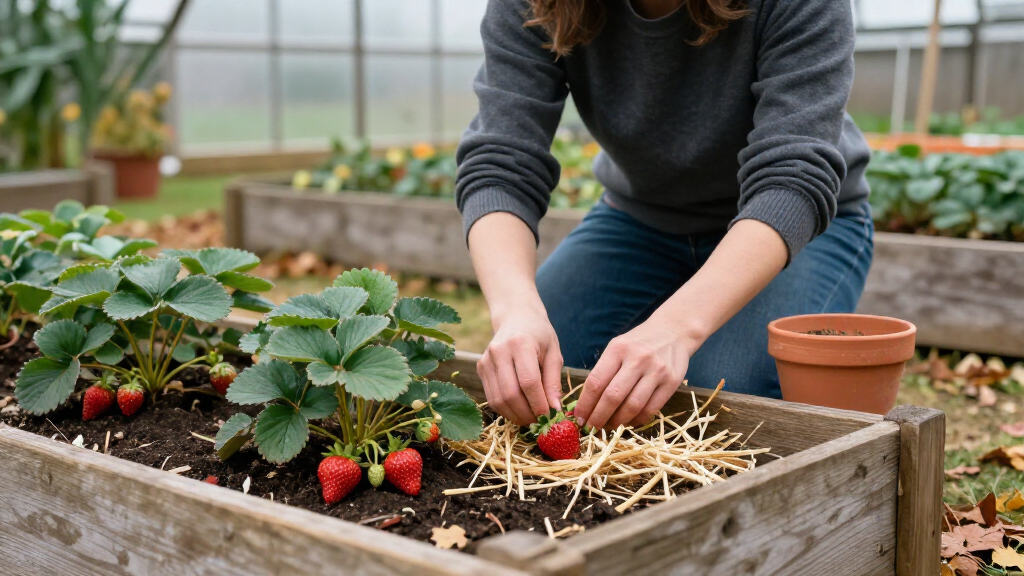
The first recommended task is to remove brown, decayed or spotted foliage and take the clippings out of the bed, much like the cleanup involved in deadheading plants in October. The report says not to compost this material, citing the risk of pests and fungal pathogens remaining in old growth. It cautions against cutting back healthy green leaves, which continue supplying energy to the crown. Weeds should be pulled carefully, preferably when soil is damp, because strawberries have shallow roots and aggressive hoeing can disturb plants.
The second task is to manage trailing runners, a key part of strawberry care. For established June-bearing rows, the article advises retaining a limited number of healthy daughter plants and guiding them into open spaces. It suggests spacing crowns about 6–8 inches (15–20 cm) apart. For everbearing and day-neutral types, the report recommends removing fall runners so the plants retain more energy in their crowns. These recommendations are gardening guidance from the source, not a guarantee of a particular yield.
The remaining measures in the report are to check soil moisture, prepare beds with winter protection and give container-grown strawberries extra attention. Strawberries have shallow root systems, the article says, and pots, raised beds and vertical planters are more exposed to cold than plants in the ground. It describes a freeze after a sunny thaw as a risk because soil movement can lift plants and damage roots. The report’s headline promises five ways, but the supplied source text ends partway through its runner advice; it does not include the full descriptions of all five steps.
Protecting Crowns Before Winter
October care matters because the crown sits at the soil line, where it can be exposed to cold and movement in the soil. Damage to the crown or roots may affect how a plant resumes growth in spring. Clearing diseased material and weeds also reduces competition and removes potential places for pests or pathogens to persist, according to the report.
The advice is relevant to home growers planning for the next season, but the effect will depend on local weather and growing conditions. The article says colder USDA zones 3–6 should focus on preparing beds and containers before freezes, while warmer zones 8–10 may be suitable for planting runners. Those are broad regional pointers, not a substitute for local planting guidance.
Popular right now

De’Longhi Classic Matte Black Espresso Machine with Milk Frother

Samsung 48-Inch S90H OLED 4K Smart TV (2026)

Dyson Ball Animal 2 Plus Corded Vacuum
As an affiliate, we earn on qualifying purchases.
Climate and Growing Setup
The report distinguishes between June-bearing, everbearing and day-neutral strawberries, since runner management differs by type. It names Honeoye and Jewel as June-bearing examples, Ozark Beauty as everbearing, and Albion as day-neutral. The supplied material does not provide cultivar-specific winter hardiness or detailed instructions for each variety.
It also separates in-ground rows from plants in pots and other elevated growing systems. Soil around in-ground plants offers more insulation, while containers can be more exposed to cold. The article places October tasks between active growth and dormancy and advises checking moisture and foliage before plants enter winter. Its guidance is seasonal and varies with the timing of local freezes.
Details Missing From the Source
The supplied report text stops during its discussion of runners, so the full wording and precise instructions for all five advertised methods are unavailable here. It does not specify a mulch type or depth, when to apply winter cover, or how to shelter containers in different climates. It also provides no trial data or quantified crop results, so claims that fall tasks lead to a bumper crop should be treated as the article’s gardening rationale, not a measured outcome.
The source gives no publication date or year, and its reference to the “next week” cannot be tied to a current forecast. Gardeners should base timing on their own frost conditions and local extension guidance.
Prepare Beds Around Local Frosts
Growers can begin with the steps described in the available material: remove damaged leaves and weeds without disturbing crowns, then decide which runners to keep based on strawberry type and bed spacing. Before applying any winter protection, check local recommendations for the appropriate timing and material. Container plants need a separate plan because their roots are less buffered by surrounding ground.
The next practical milestone is the arrival of sustained cold and frozen ground in each area. The source offers no forecast or follow-up schedule; growers should monitor local conditions and review the complete article or local horticultural advice for the missing details on its remaining overwintering steps.
Key Questions
What should I do with strawberry leaves in October?
Remove leaves that are brown, decayed or spotted, and take the clippings out of the bed. Leave healthy green leaves in place rather than cutting plants back aggressively.
Should I keep strawberry runners?
The report advises retaining selected healthy runners in established June-bearing rows to fill gaps, while removing excess plants to maintain roughly 6–8 inches of spacing. For everbearing and day-neutral varieties, it recommends removing fall runners.
Are potted strawberries more exposed to winter cold?
According to the report, containers and raised growing systems have less protection from surrounding ground than in-ground rows. The supplied text does not give a specific sheltering method, so consult local guidance for container protection.
Do October tasks guarantee a larger strawberry crop?
No. The article presents fall care as preparation that may help plants enter dormancy in good condition, but it provides no measured yield data or guarantee of a bumper crop. Results depend on variety, weather and growing conditions.
Source: gardeningknowhow.com