
TL;DR

Get garden gear delivered free with Prime
- Fast, free delivery on millions of items
- Prime Video, Amazon Music and more included
- Member-only deals all year
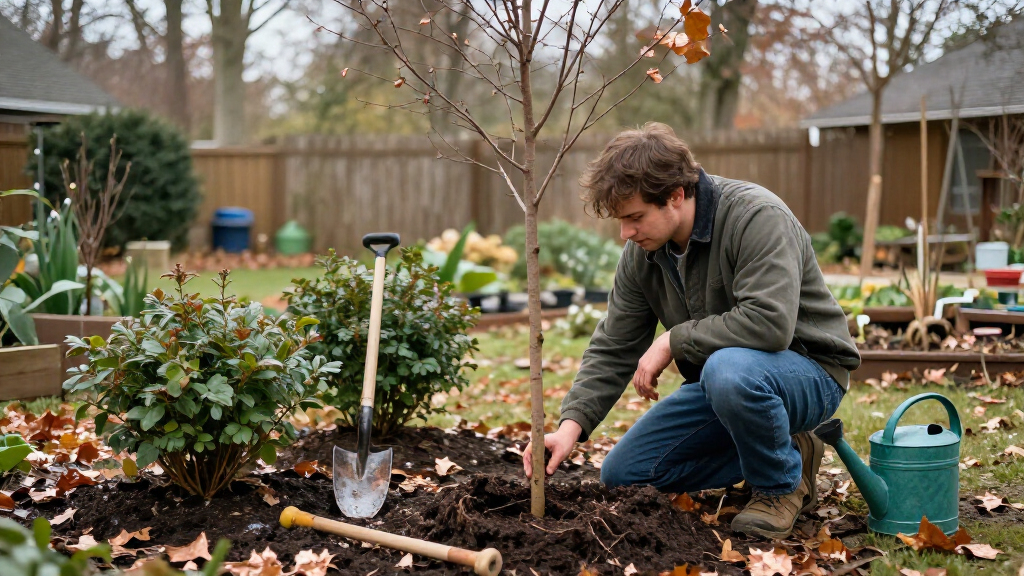
A Country Living report identifies four common fall planting errors that can leave trees and shrubs struggling: untreated circling roots, planting too deeply, inadequate establishment watering and mulch piled against the trunk. Its guidance focuses on root flare visibility, checking soil moisture and keeping mulch off the bark.
Country Living’s gardening report identifies four fall planting mistakes that can leave newly planted trees and shrubs struggling: failing to correct circling roots, planting too deeply, not providing enough water during establishment and piling mulch against the trunk. The advice matters because problems below the soil surface can go unnoticed while a plant initially appears healthy.
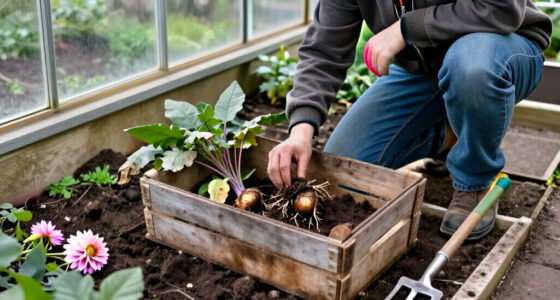
Roots that circle inside a nursery pot may keep growing in that pattern after planting, according to the report. It says this can contribute to stunted growth, reduced access to nutrients and trunk girdling, in which roots grow around and constrict the trunk. Gardeners should inspect the root system, loosen it and spread healthy roots outward; large, tight roots may need cutting.
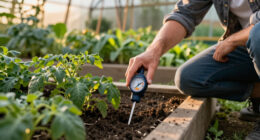
The report also advises locating the root flare—where the trunk widens into the roots—and keeping it visible at or slightly above the soil, a useful step when planting shrubs or perennials in fall. It recommends a planting hole that is wider than the root ball but no deeper, with firm soil at the bottom so the plant does not sink. For watering, it says to check soil near the root ball and water slowly and deeply when it is drying, rather than relying on rain or a fixed schedule. Soil should stay moist, not waterlogged.
For mulch, the report recommends a two- to three-inch layer over the root zone, kept a few inches from the trunk. A mound touching the bark can trap moisture, potentially encourage decay and provide shelter for pests; it may also conceal the root flare. The report characterizes the desired shape as a doughnut rather than a volcano.
Planting Errors Can Affect Root Health
The advice focuses on the conditions that help a new tree or shrub establish: roots need room to spread, the trunk base should not be buried, and soil moisture needs attention. When those conditions are not met, the visible effects may take time to appear. Root girdling, decay and poor establishment can undermine a planting long after the initial work is done.
For homeowners, the practical takeaway is to inspect the plant and its soil rather than treating fall planting as a one-time task. Checking for a visible root flare, watering according to soil moisture and keeping mulch clear of bark are steps that can help identify or avoid the specific problems described in the report.
Popular right now

Breville Barista Pro Espresso Machine with Grinder, Brushed Stainless Steel

KitchenAid Artisan 5-Quart Tilt-Head Stand Mixer, Almond Cream

De’Longhi Classic Matte Black Espresso Machine with Milk Frother
As an affiliate, we earn on qualifying purchases.
Why Fall Can Suit New Plantings
The report says fall can be a suitable time to plant because cooler weather can make outdoor work more comfortable, while warm soil may give roots time to settle before winter. Those conditions do not remove the need for correct planting or follow-up care. The report presents the four mistakes as preventable issues that can occur even when the season seems favorable.
The source is a practical gardening article, not a study comparing planting methods or measuring how long damage lasts. Its recommendations are presented as general guidance; specific watering needs can vary with local weather, soil and the plant.
“The goal is moist soil, not waterlogged soil.”
— Country Living report
Local Care Needs May Differ
The supplied report does not identify a publication date, cite research or specify tree and shrub species, soil types or climate zones. It also does not quantify how often these mistakes occur or how many years a plant may struggle as a result. The headline’s reference to years is not supported by a time estimate in the supplied article.
Watering frequency is not given as a universal schedule. The report instead advises checking the soil near the root ball, which leaves local conditions and the plant’s needs to be judged on site. Its guidance should not be read as a species-specific care plan.
Check Roots, Soil and Mulch
The report offers no announced follow-up or new planting program. For gardeners planting in fall, its suggested next steps are to inspect and loosen circling roots before planting, uncover the root flare, set the plant at the proper depth, and monitor soil moisture as roots establish. After planting, check that mulch remains off the trunk and does not cover the root flare.
Because watering needs depend on conditions, the report’s approach is to check the root-ball soil regularly and respond to whether it is drying or still wet, rather than follow a fixed calendar. Further species- or location-specific guidance is not provided in the source.
Key Questions
What are the four fall planting mistakes?
The report lists untreated circling roots, planting too deeply, inadequate watering while roots establish and piling mulch against the trunk.
How can I tell whether a tree is planted too deeply?
Look for the root flare, where the trunk broadens into the roots. The report says it should be visible at or slightly above the soil line.
How often should a newly planted tree be watered?
The report gives no fixed schedule. It advises checking soil near the root ball and watering slowly and deeply when it is drying; the soil should be moist, not waterlogged.
How should mulch be placed around a new tree?
Spread a thin, even layer about two to three inches deep over the root zone, keeping it a few inches away from the trunk and leaving the root flare visible.
Source: countryliving.com