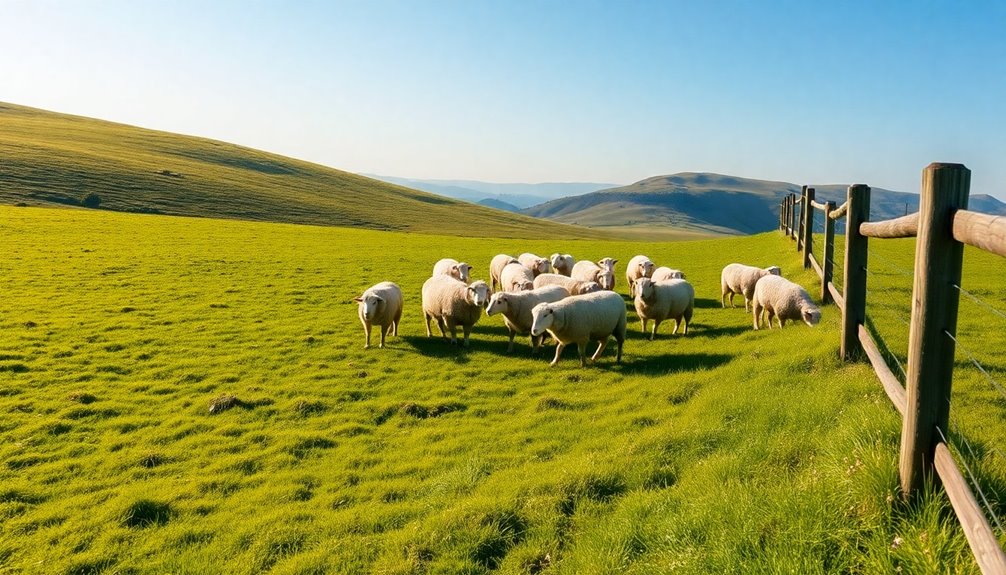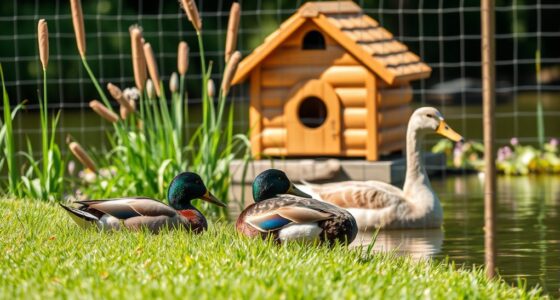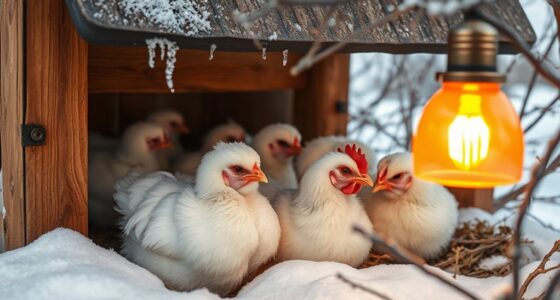
To protect your backyard or small farm flock, focus on strict biosecurity. Limit visitor access, disinfect footwear and tools, and keep equipment separate. Maintain regular cleaning of coops and prevent pests by sealing entry points and removing standing water. Provide balanced nutrition and monitor birds for signs of illness. Quarantine new or sick birds to prevent disease spread. Implementing these practices keeps your flock healthy and productive—continue to explore more ways to guarantee their safety.

Get garden gear delivered free — and shop member deals
- Fast, free delivery on millions of items
- Access to Prime Big Deal Days deals on October 6–7
- Prime Video, Amazon Music and more included
Key Takeaways
- Limit visitor access and disinfect footwear and equipment to prevent disease introduction.
- Implement strict sanitation practices for housing, feeders, and waterers regularly.
- Control pests and eliminate standing water to reduce vectors and pathogen spread.
- Isolate new or sick birds immediately to prevent infection transmission.
- Maintain balanced nutrition and monitor flock health for early disease detection.
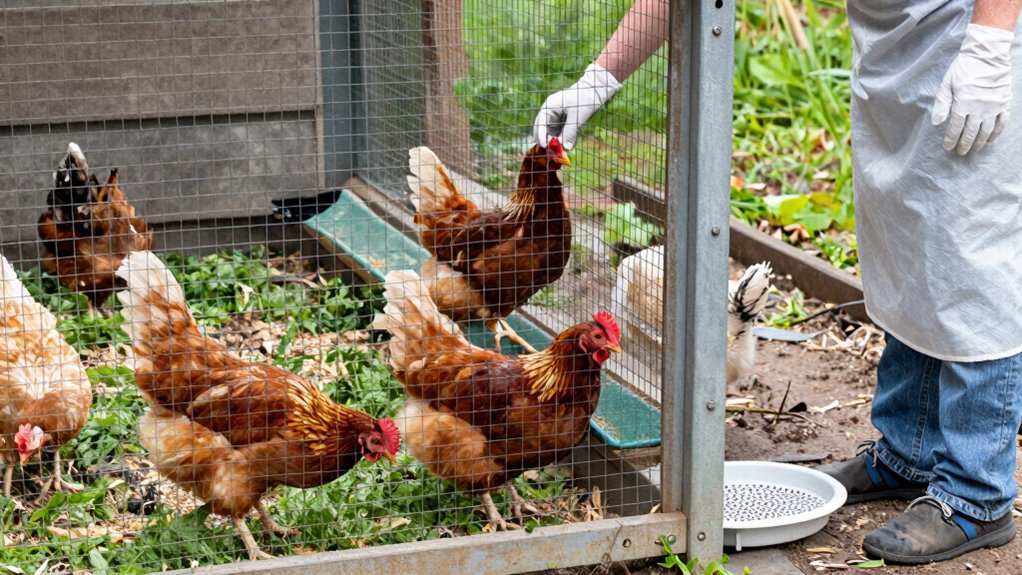
Have you ever wondered how to keep your poultry healthy and prevent disease outbreaks? Maintaining a healthy flock requires more than just feeding and watering your birds; it involves implementing effective biosecurity measures that protect against infectious diseases. One of the key aspects of this is ensuring your flock maintains steady egg production, which can decline markedly if birds become ill or stressed. Regular health checks and monitoring are essential to catch early signs of problems that could impact egg laying or spread disease.
Regular health checks help keep your flock healthy and ensure steady egg production.
Disease monitoring is your frontline defense. By observing your birds daily, you can identify unusual behaviors, changes in egg production, or physical symptoms like lethargy, ruffled feathers, or abnormal droppings. Prompt detection allows you to isolate sick birds quickly and prevent the spread of illness. Keep detailed records of any health issues, so you can track patterns over time and respond more effectively to emerging threats.
Preventing disease outbreaks starts with controlling access to your flock. Limit visitors and avoid sharing equipment with other farms or flocks to prevent the introduction of pathogens. When handling your birds, always wash your hands thoroughly and disinfect footwear and tools beforehand. Using footbaths or disinfectant mats at entry points can considerably reduce the risk of bringing in contaminants from outside.
Proper sanitation is essential for biosecurity. Regularly clean and disinfect the coop, feeders, and waterers to minimize bacteria and viruses. Remove manure, old bedding, and any debris that can harbor pathogens. Good ventilation also plays an important role by reducing moisture and airborne bacteria, creating an environment less conducive to disease. Additionally, understanding how diseases spread within poultry populations can help you implement more targeted prevention strategies. Knowing the routes of transmission can guide you in developing effective quarantine and containment procedures. Incorporating pest control measures further reduces the risk of disease transmission by limiting the presence of rodents, insects, and wild birds around your flock. Staying informed about disease vectors can help you identify and eliminate common sources of infection before they reach your birds. Moreover, educating yourself about common signs of illness can enable quicker responses and better overall health management.
Another essential step is controlling pests like rodents, insects, and wild birds, which can carry diseases and introduce harmful microbes into your flock. Secure your coop with sturdy fencing and sealed doors, and eliminate standing water and clutter that attract pests. Vaccinations, where applicable, can also strengthen your flock’s immunity against specific diseases, adding an extra layer of protection.
In addition, proper nutrition supports your birds’ immune systems, making them more resilient to infections. Providing a balanced diet, clean water, and supplements if needed helps maintain overall health and egg production. Remember, a healthy flock is less susceptible to illness, and early intervention is always better than dealing with an outbreak.
As an affiliate, we earn on qualifying purchases.
Frequently Asked Questions
How Often Should I Change My Poultry Footwear?
You should change your poultry footwear daily to maintain footwear hygiene and prevent the spread of diseases. Always store your footwear in a designated, clean area to avoid contamination. Before entering your flock, inspect and clean your shoes, especially if they’ve been worn elsewhere. Regularly replacing or disinfecting footwear helps protect your birds, reduces biosecurity risks, and keeps your small farm or backyard flock safe and healthy.
Can Wild Birds Transmit Diseases to My Flock?
Wild birds, the uninvited “guests” at your flock’s dinner party, can indeed transmit diseases through their interactions. Ironically, their seemingly innocent visits pose big risks. To keep your flock safe, implement disease prevention strategies like installing netting, keeping feeders clean, and limiting wild bird access. Regularly monitor your birds for signs of illness, and always practice good biosecurity to prevent these covert disease carriers from becoming an open invitation to trouble.
What Are Signs of a Biosecurity Breach?
You’ll know a biosecurity breach has occurred if you notice sudden disease symptoms like lethargy, reduced appetite, or abnormal droppings. Disease detection becomes difficult, so quick action is essential. Follow quarantine protocols diligently for new or sick birds to prevent spreading. Regularly monitor your flock, and if you spot signs of illness, isolate affected birds immediately and consult a veterinarian to maintain biosecurity and protect your flock’s health.
Is It Necessary to Disinfect Water Sources Regularly?
Yes, you should disinfect water sources regularly to guarantee water treatment and prevent contamination. Regular cleaning helps eliminate bacteria, fungi, and other pathogens that can harm your flock. By maintaining clean water sources, you reduce the risk of disease spread and keep your poultry healthy. Always refresh water frequently, and disinfect water containers and troughs to promote good hygiene and safeguard your flock’s overall health.
How Do I Handle Biosecurity During Seasonal Changes?
During seasonal migration and feather molt, maintaining biosecurity is essential. You should increase monitoring for signs of illness, restrict visitor access, and regularly disinfect equipment to prevent disease spread. Adjust your flock’s housing to reduce stress and avoid introducing new birds during these times. By staying vigilant and adapting your biosecurity measures, you help protect your flock from seasonal vulnerabilities and guarantee their health through these natural changes.
Conclusion
By following these poultry biosecurity basics, you protect your flock from diseases and guarantee healthy, happy birds. Imagine you notice your neighbor’s new chickens show signs of illness; by keeping your birds secure and practicing good hygiene, you prevent the spread to your flock. Small steps like cleaning daily and limiting visitor access make a big difference. With care and vigilance, your backyard or small farm can thrive, giving you fresh eggs and peace of mind.
Halloween Picks
halloween
As an affiliate, we earn on qualifying purchases.