
Healthy poultry droppings are firm with a white chalky uric acid and dark, well-formed stool, indicating good health. If your flock’s droppings change color, become runny, or develop a foul odor, it could signal infections, dietary issues, or parasites. Regularly observing these signs helps you catch health problems early. Knowing what to look for allows you to maintain a healthy flock, and exploring further can reveal even more ways droppings reflect your birds’ well-being.
Key Takeaways
- Healthy droppings are firm, dark, and well-formed, indicating good digestion and overall health.
- Consistent color and texture suggest stable nutrition and absence of internal health issues.
- Mild, earthy odor signifies a balanced digestive system and proper sanitation.
- Regular observation allows early detection of potential health problems through droppings changes.
- Proper waste management supports clean environment, reducing disease risk and maintaining flock health.
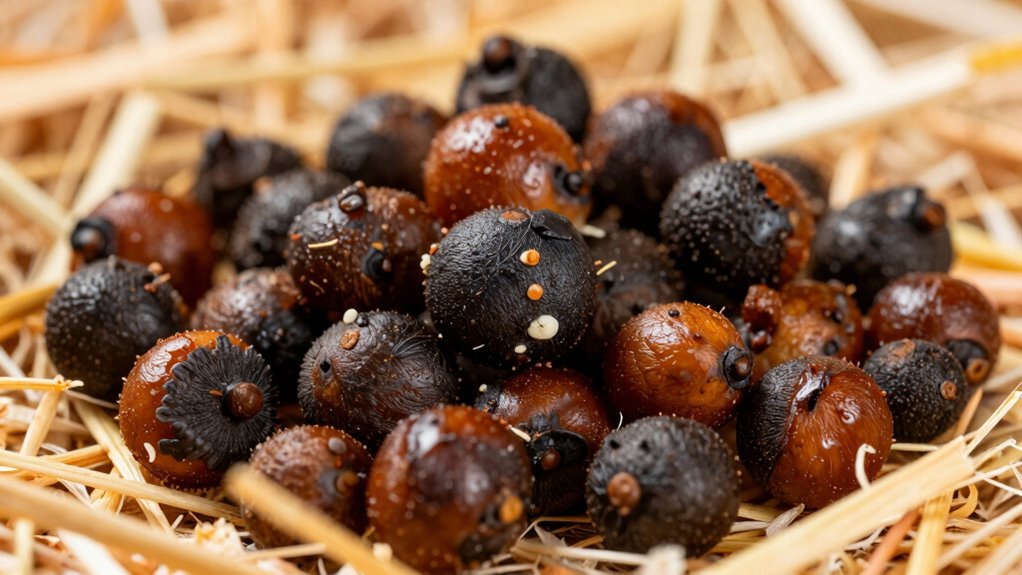
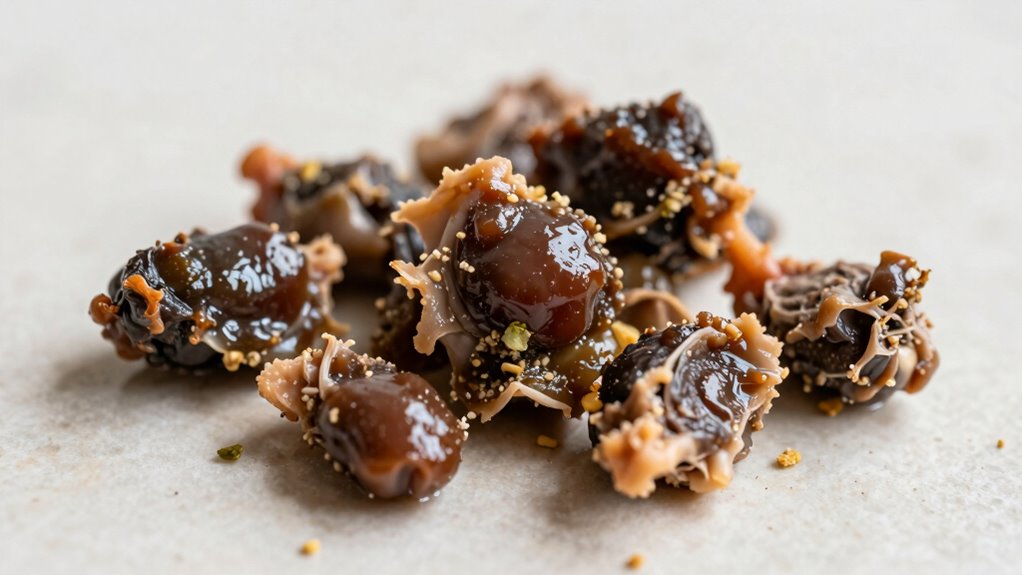
Maintaining healthy poultry droppings is essential for ensuring your flock stays strong and productive. The consistency, color, and smell of your chickens’ droppings offer valuable clues about their overall health. When you observe their droppings regularly, you can detect early signs of issues like nutritional deficiencies or parasite indicators, which can prevent more serious health problems down the line. Healthy droppings typically have a firm texture with a white, chalky uric acid component and a dark, well-formed stool; deviations from this norm might signal trouble.
If you notice that your chickens’ droppings are unusually runny or watery, it could suggest diarrhea, often caused by dietary imbalances or infections. Consistently loose droppings might be a sign of nutritional deficiencies, such as a lack of essential vitamins or minerals, which can weaken their immune systems and reduce productivity. Conversely, very dry, compact droppings may indicate dehydration or a need to adjust their hydration or diet. Paying close attention to these signs allows you to make timely dietary adjustments, supplement deficiencies, and improve overall flock health.
Color changes in droppings are also telling. Bright green or yellowish droppings might indicate liver issues or infections, while bloody or mucous-laden droppings are clear parasite indicators. Parasites like worms or coccidia often leave traces in the droppings, and spotting these early on can help you take swift action with treatments or parasite control measures. Regularly inspecting your flock’s droppings helps you catch these signs before they escalate into more serious health issues, which can be costly and challenging to manage later. Understanding the significance of droppings can help you better interpret what’s happening inside your flock.
Smell is another important indicator. Normal droppings have a mild, earthy smell, but a foul or rotten odor can point to infections, digestive problems, or other health concerns. If you notice persistent bad odors, it’s wise to investigate further, perhaps running tests or consulting a veterinarian. Good sanitation practices, such as cleaning the coop regularly and providing balanced nutrition, help maintain the smell and quality of droppings, supporting your flock’s overall health. Additionally, proper sanitation is vital in preventing the spread of pathogens and maintaining a healthy environment for your birds.
Poor sanitation and inadequate waste management can lead to the buildup of harmful bacteria and increase the risk of disease transmission within your flock. Additionally, the presence of abnormal droppings can sometimes reflect issues with pool maintenance and sanitation practices, underscoring the importance of cleanliness in preventing disease transmission. Good sanitation practices, such as cleaning the coop regularly and providing balanced nutrition, help maintain the smell and quality of droppings, supporting your flock’s overall health.
In essence, your routine observation of poultry droppings acts as a diagnostic tool that keeps you informed about subtle health changes. Recognizing nutritional deficiencies and parasite indicators early can save your flock from serious illnesses. Proper nutrition management plays a crucial role in maintaining optimal droppings and overall health, ensuring that your chickens thrive. By staying attentive to these signs, you empower yourself to take proactive steps—adjusting diets, treating infections, or improving sanitation—thus ensuring your chickens remain healthy, productive, and happy.
poultry droppings inspection kit
As an affiliate, we earn on qualifying purchases.
As an affiliate, we earn on qualifying purchases.
Frequently Asked Questions
How Often Should I Check Poultry Droppings for Signs of Health Issues?
You should check your poultry droppings daily or at least every couple of days. Pay attention to manure consistency and droppings color; healthy droppings are firm with a uniform color, usually brownish or dark. Sudden changes, like watery manure or abnormal color, can signal health issues. Regular checks help catch problems early, so you can address them promptly and keep your flock healthy.
Can Diet Changes Affect the Appearance of Poultry Droppings?
Yes, diet impact definitely affects droppings appearance. When you change your poultry’s diet, you’ll notice differences in color, consistency, and even smell. For example, adding greens can make droppings greener, while grains might create a firmer stool. Keep an eye on these changes, as they can indicate how well your flock is digesting their food and help identify any potential health issues early.
What Are the Early Signs of Disease in Poultry Droppings?
You might notice subtle changes in your poultry’s droppings, signaling potential issues. Early signs of disease include abnormal coloration, inconsistent consistency, or unusual odor, which can point to nutritional deficiencies or parasite indicators. Keep an eye out for these clues, as they often precede more obvious health problems. Prompt attention to these signs helps prevent the spread of disease and keeps your flock healthier and more productive.
How Do Environmental Conditions Influence Droppings and Flock Health?
Environmental conditions greatly influence droppings and flock health. When birds face environmental stress, such as extreme temperatures or poor ventilation, their droppings may become more abnormal, indicating underlying issues. Good housing hygiene helps prevent the buildup of waste and pathogens, reducing disease risk. Maintaining a clean, well-ventilated environment supports healthy droppings, which reflect overall flock health, and minimizes stress that can weaken immune responses.
Are There Specific Tests to Analyze Droppings for Pathogens?
Think of droppings analysis as a detective’s toolkit for your flock’s health. Yes, there are specific tests for pathogens, like bacterial cultures or PCR testing, that help identify infections. Pathogen testing in droppings offers vital clues, revealing whether harmful microbes are present. By conducting these tests, you can catch issues early, ensuring your birds stay healthy and your flock thrives.
Conclusion
By paying close attention to your poultry’s droppings, you hold the secret to their entire health universe! Spotting the tiniest change can save your flock from disaster—think of it as having a superpower to detect a health crisis before it even begins. Don’t ignore those seemingly insignificant droppings; they’re actually your poultry’s cry for help. Master this skill, and you’ll become an unstoppable protector of your flock’s happiness and well-being!