
Planning your sheep handling system’s sorting lanes early guarantees smoother, stress-free movement for the animals and improves farm efficiency. It helps you create pathways that align with natural sheep behavior, using curved lanes and visual cues for better flow. Proper layout minimizes resistance, reduces injuries, and promotes animal welfare. If you keep exploring, you’ll discover how thoughtful design can make handling safer and more effective for your operation.

Get garden gear delivered free with Prime
- Fast, free delivery on millions of items
- Prime Video, Amazon Music and more included
- Member-only deals all year
Key Takeaways
- Early planning ensures sorting lanes align with sheep behavior, reducing stress and resistance during handling.
- Well-designed, curved lanes and visual cues guide sheep naturally, improving flow and efficiency.
- Incorporating behavioral considerations early helps prevent bottlenecks and confusing passages.
- Proper layout placement minimizes handling stress, injuries, and enhances animal welfare.
- Flexibility in design allows adjustments for flock size or behavioral changes over time.
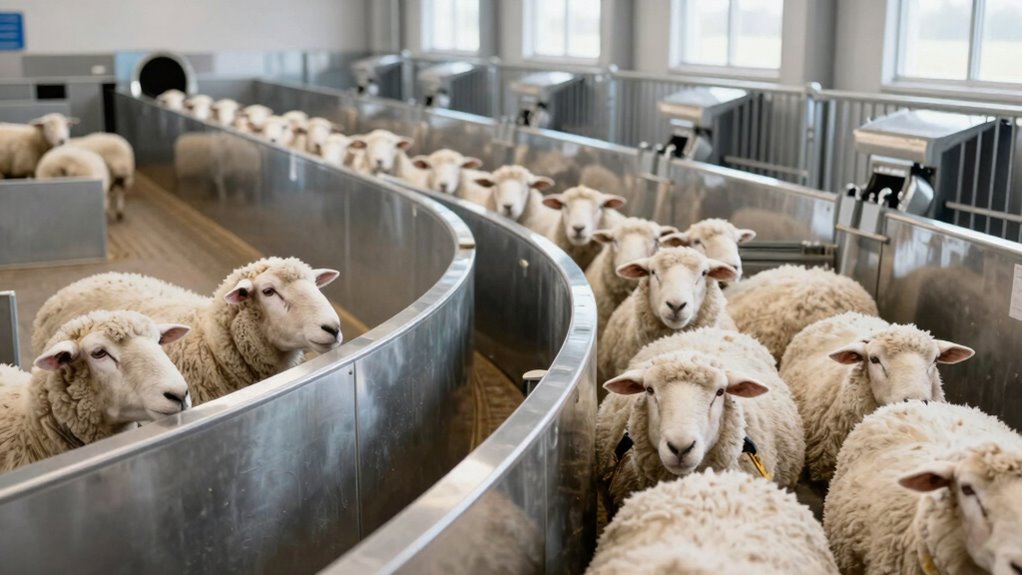
Have you ever wondered how effective sheep handling systems can improve farm efficiency and animal welfare? The key lies in understanding sheep behavior and designing sorting lanes that work seamlessly with their natural instincts. Sheep are social animals that follow leader-follower dynamics, so when they’re approached or moved, they tend to react based on their surroundings and previous experiences. Recognizing these behaviors helps you create handling systems that minimize stress and make movement smoother. When you plan your sorting lanes early, you can incorporate this knowledge into your layout, reducing bottlenecks and confusion. Additionally, considering sheep behavior traits during planning allows you to tailor your system to better suit their natural responses. Handling equipment plays a crucial role in ensuring the process is efficient and humane. Properly designed alleyways, chutes, and gates align with sheep’s natural tendencies, guiding them calmly from one area to another. If you wait too long to plan these systems, you risk ending up with narrow or confusing passages that cause sheep to panic or resist movement, increasing stress and the risk of injury. Early planning also helps you identify the best locations for handling facilities, ensuring they are accessible and effective in managing your flock. Planning ahead provides the opportunity to incorporate visual cues that improve sheep movement and reduce hesitation. Incorporating behavioral cues into your design can further enhance the sheep’s comfort and cooperation during handling. Early planning allows you to select and position handling equipment that facilitates calm, controlled movement, making the entire process safer for both animals and handlers. Additionally, considering sheep instincts during layout design can significantly improve handling outcomes. When designing sorting lanes, consider placing them in locations that encourage natural flow. For example, curved lanes and gentle slopes tend to be less intimidating and help sheep move forward without hesitation. Incorporate visual cues, such as open gates or clear signage, to guide sheep intuitively. This approach works well because sheep rely heavily on their peripheral vision and respond to movement and light. Proper handling equipment, like sweep pens and crowding areas, can be integrated into your early plans to help herd sheep efficiently without causing undue stress. Planning your layout early also provides the flexibility to adapt the system to changes in flock size or behavior over time, ensuring long-term efficiency.
sheep handling system sorting lanes
As an affiliate, we earn on qualifying purchases.
As an affiliate, we earn on qualifying purchases.
Frequently Asked Questions
How Do I Determine the Ideal Size for Sorting Lanes?
You determine the ideal size for sorting lanes by observing sheep behavior and how they move naturally. Keep lanes wide enough to prevent crowding and allow easy movement, typically around 4 to 6 feet. If lanes are too narrow, sheep get stressed, reducing lane efficiency. Monitor their reactions and adjust lane width as needed, ensuring smooth flow and minimal stress for the sheep.
What Materials Are Best for Constructing Sorting Lanes?
Think of your sorting lanes as the veins of your operation—crucial for flow. You should use sturdy fencing materials like high-tensile wire or panel fencing, which withstand pressure and weather. For gates, opt for durable, easy-to-operate options like squeeze or sliding gates. These materials and gate choices guarantee smooth, safe movement of sheep, reducing stress and improving efficiency in your handling system.
How Can I Prevent Sheep From Escaping the Lanes?
To prevent sheep from escaping, regularly check and maintain your fencing to guarantee there are no weak spots or gaps. Understanding sheep behavior helps you anticipate their movements and reinforce vulnerable areas. Keep fencing clean and free of debris, and use appropriate materials like high-tensile wire or panel fencing. Consistent fencing maintenance and observing sheep behavior allow you to identify and fix escape points promptly, keeping your flock secure.
What Safety Features Should Be Included in Lane Design?
You should include safety features like sturdy, non-slip lane markings to guide sheep and prevent slips. Use solid, high panels that reflect sheep behavior, encouraging them to stay within lanes. Incorporate escape-proof gates and smooth, rounded edges to reduce injury risk. Adequate lighting and clear signage also help maintain visibility and flow. These features guarantee safety by aligning with sheep behavior and guiding them smoothly through the system.
How Does Lane Placement Affect Sheep Behavior?
Where you place the lanes can substantially influence sheep behavior, especially regarding stress and herd cohesion. If lanes are arranged to guide sheep smoothly and predictably, they experience less stress, which keeps the herd cohesive. Conversely, confusing or poorly positioned lanes can cause panic, break herd cohesion, and increase stress levels. Thoughtful lane placement ensures sheep move calmly, maintaining their natural herd instincts and making handling more efficient.
Conclusion
Planning your sorting lanes early guarantees your sheep handling system works efficiently, smoothly, and safely. When you design with purpose, when you consider flow, and when you anticipate needs, you create a system that reduces stress, saves time, and improves productivity. By prioritizing thoughtful layout, by focusing on ease of movement, and by emphasizing safety, you build a handling system that works best, that works smarter, and that works for you every day.
Fall yard work Picks
leaf blowers
As an affiliate, we earn on qualifying purchases.