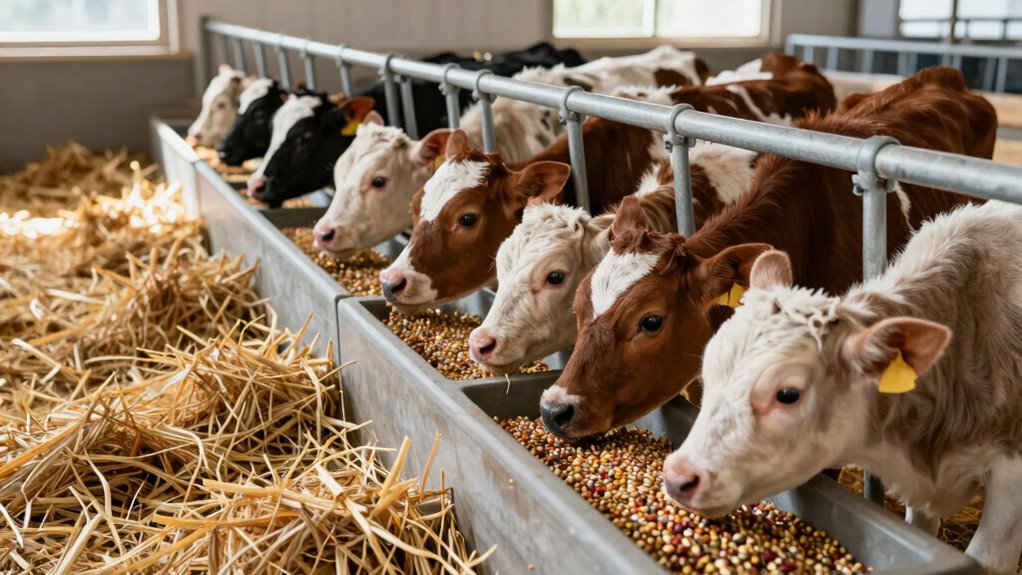

To improve calf, kid, and lamb starter management, focus on providing high-quality, nutrient-rich feeds tailored to their needs. Establish a consistent feeding schedule with frequent, small meals early on, and gradually extend intervals as they grow. Monitor intake and observe for signs of discomfort, making adjustments as necessary. Guarantee constant access to clean water and maintain a clean environment to support healthy eating behaviors. For more effective strategies, keep exploring how fine-tuning these practices benefits their long-term health.

Get garden gear delivered free with Prime
- Fast, free delivery on millions of items
- Prime Video, Amazon Music and more included
- Member-only deals all year
Key Takeaways
- Provide high-quality, age-appropriate starter feeds rich in energy, proteins, vitamins, and minerals.
- Establish a consistent feeding schedule with frequent small meals initially, then gradually extend intervals.
- Monitor individual intake and growth, adjusting feed types and quantities based on animal responses.
- Ensure constant access to fresh, clean water and maintain a clean, quiet feeding environment.
- Regularly assess digestive health and hygiene practices to prevent bloating, diarrhea, and other health issues.
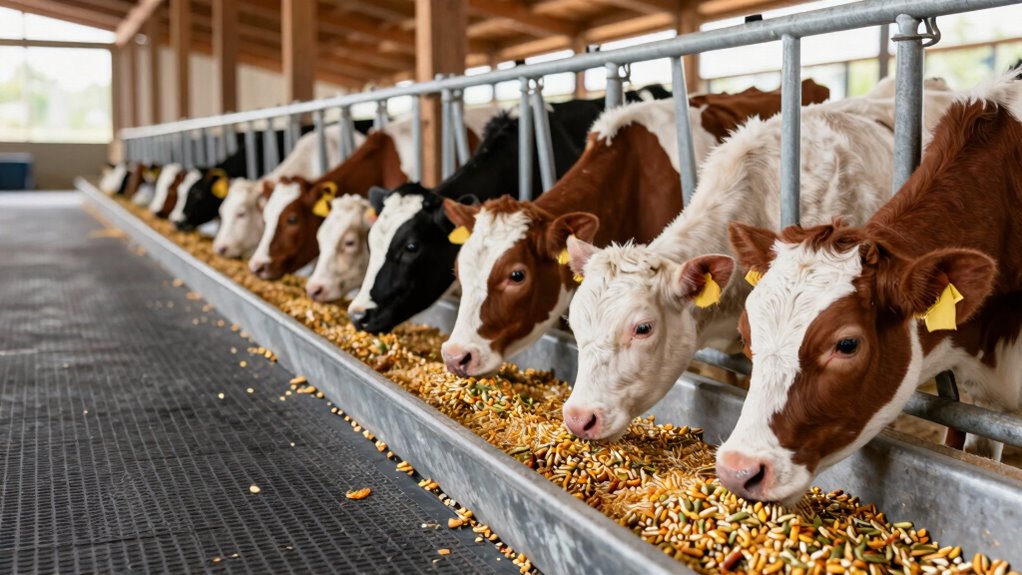
Starting your calves, kids, and lambs on the right foot is essential for ensuring healthy growth and development. To achieve this, you need to focus on effective nutrition strategies and feeding schedule optimization from day one. Proper nutrition sets the foundation for strong immune systems, steady weight gain, and overall well-being. Begin by selecting high-quality starter feeds tailored to their specific needs. These feeds should be rich in energy, balanced with essential proteins, and fortified with vitamins and minerals. Ensuring the right nutritional balance helps young animals develop robust muscles, bones, and immune defenses, reducing the risk of health issues later on.
Starting young animals on proper nutrition ensures healthy growth, strong immune systems, and reduces future health risks.
Feeding schedule optimization plays a *key* role in promoting consistent growth. Young animals thrive on regular, predictable feeding routines. Establish a schedule that provides frequent, small feedings—especially during the first few weeks—so their digestive systems can adapt smoothly. As they grow, gradually extend the intervals between feedings while monitoring their intake and growth rates. This approach not only prevents overfeeding or underfeeding but also encourages natural feeding behaviors. Consistency fosters a sense of security and guarantees they receive adequate nutrition to meet their developmental milestones. Additionally, implementing feeding logs can help track intake and identify patterns or issues early on. Monitoring their digestive health closely is equally important to prevent issues such as bloating or diarrhea.
Additionally, it’s *important* to monitor their intake closely. Observe how much they consume at each feeding and adjust accordingly. If you notice refusals or signs of discomfort, reassess the feed quality, quantity, and timing. Incorporating the right feeding techniques, such as hand-feeding or using automatic feeders, can improve efficiency and reduce stress. Remember, young animals often learn to eat by observing their mothers or siblings, so providing a clean, quiet environment encourages natural feeding behaviors. Proper management also involves understanding the significance of appropriate nutrition in the early stages of development, which directly influences their long-term health. Ensuring hydration is *equally* critical; always guarantee fresh, clean water is available, especially as their digestive systems mature. Proper hydration supports nutrient absorption and helps prevent digestive issues. If you’re using milk replacers or specialized feeds, follow the manufacturer’s instructions carefully to avoid over- or under-concentrating the formulas. Consistent feeding schedules combined with appropriate nutrition strategies help establish a routine that promotes ideal growth and health.
As an affiliate, we earn on qualifying purchases.
Frequently Asked Questions
What Are the Signs of Overfeeding Starter in Young Animals?
If you notice signs like diarrhea, bloating, or sudden weight loss, your young animals might be overfeeding starter. Overfeeding can cause digestive disturbances and nutritional deficiencies, leading to poor growth and health issues. Be sure to monitor feed intake closely, gradually adjust quantities, and guarantee they’re getting a balanced diet. Recognizing these signs early helps prevent long-term health problems and promotes ideal development.
How Often Should Starter Be Replaced or Refreshed?
Think of your young animals’ starter as a garden needing fresh soil to thrive. You should replace or refresh the starter every 1 to 2 weeks to maintain ideal nutrient supplementation and prevent mold or spoilage. Regularly check their feeding frequency, and adjust as needed to guarantee they’re getting enough, but not too much. Consistent renewal keeps their nutrition balanced, supporting healthy growth and development.
What Are the Best Ingredients for a Balanced Starter Mix?
You should select ingredients that provide a balanced nutrient ratio, such as high-quality grains, protein sources like soybean meal, and necessary vitamins and minerals. Focus on good ingredient sourcing to confirm freshness and safety. A well-balanced starter mix supports growth and digestion, so include ingredients that promote healthy rumen development. Regularly review your mix to maintain proper nutrient ratios and adjust based on the animals’ age and needs.
How Can I Reduce Feed Wastage With Starter Management?
Did you know that improper feed management can increase wastage by up to 20%? To reduce feed wastage, focus on proper feed storage to prevent spoilage and reduce spillage. Understanding animal feeding behavior helps you give just enough starter, avoiding overfeeding. Keep feed accessible but controlled, and monitor intake closely. By aligning feed quantity with their natural habits, you minimize waste and optimize growth efficiency.
When Should I Start Introducing Solid Feeds to Young Animals?
You should start introducing solid feeds to young animals around 1 to 2 weeks of age, depending on their development. Observe their feeding schedules and animal behavior—when they show interest in solid foods, it’s a good sign to begin. Gradually increase the solid feed while decreasing milk or milk replacer, helping them shift seamlessly and reducing waste. Always monitor their intake to ensure proper growth and health.
Conclusion
By optimizing your starter management, you set the foundation for healthy calves, kids, and lambs. Focus on proper feeding, maintain clean environments, and monitor their progress regularly. Encourage growth, prevent illness, and build resilience through consistent care. With attention to detail, commitment to quality, and a proactive approach, you’ll foster stronger animals. In turn, you’ll achieve better productivity, healthier herds, and more successful livestock management—because good beginnings lead to thriving futures.
Halloween Picks
halloween
As an affiliate, we earn on qualifying purchases.