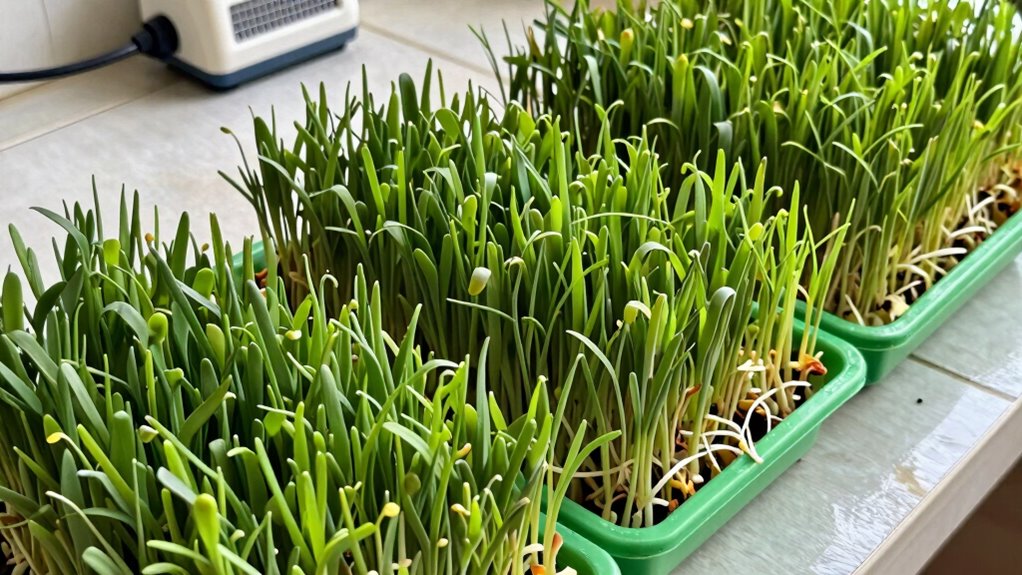

Fodder systems can support your feed plans effectively, but mold control must come first. Mold growth poses health risks, compromises feed quality, and reduces nutritional value. To prevent this, you should focus on proper storage, controlling moisture, and maintaining good airflow. Monitoring environmental conditions and inspecting for mold signs help protect your livestock’s health. If you keep these practices in mind, you’ll guarantee safe, nutritious feed and improve your farm’s productivity—more details await you.

Get garden gear delivered free with Prime
- Fast, free delivery on millions of items
- Prime Video, Amazon Music and more included
- Member-only deals all year
Key Takeaways
- Effective mold control ensures the safety and nutritional quality of fodder used in feed plans.
- Proper storage, drying, and hygiene prevent mold development in fodder systems.
- Monitoring environmental conditions like humidity and temperature helps detect and inhibit mold growth early.
- Maintaining good airflow and managing storage duration protect fodder from mold contamination.
- Prioritizing mold prevention enhances livestock health, productivity, and overall farm sustainability.
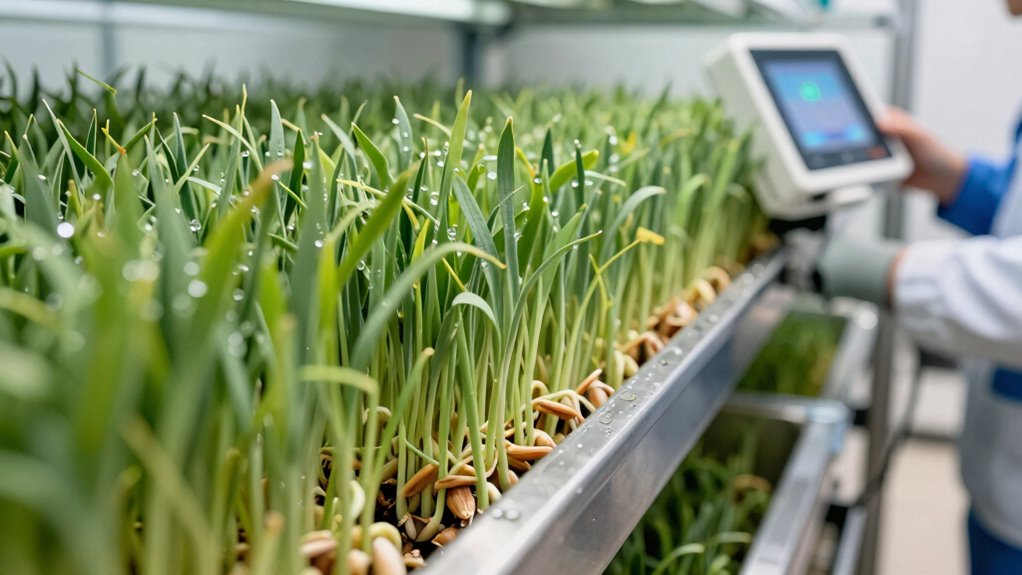
Fodder systems play a crucial role in guaranteeing a reliable feed supply for livestock, but mold growth can pose serious health risks if not managed properly. When you’re developing a feed plan, it’s essential to prioritize mold control because mold-contaminated fodder can lead to health issues like respiratory problems, reduced productivity, and even toxicity in animals. While designing your fodder system, focus on maintaining the quality of the feed, as mold can compromise both the safety and nutritional value of the forage. Proper storage, timely harvesting, and good hygiene are critical to preventing mold development. Additionally, controlling the moisture content of your fodder is vital, as excess moisture creates an ideal environment for mold growth. Implementing proper drying techniques can greatly reduce the risk of mold formation and further ensure feed quality. Regularly monitoring environmental conditions such as humidity and temperature can also help in early detection and prevention of mold issues. Maintaining optimal airflow within storage areas is another effective way to inhibit mold growth and preserve feed quality. It’s also important to consider storage duration, as prolonged storage can increase the likelihood of mold development if conditions are not ideal.
Prioritize mold control through proper storage, timely harvesting, and hygiene to safeguard feed safety and quality.
Addressing mold control not only protects your animals but also enhances the nutritional benefits of your feed. Moldy fodder loses critical nutrients, which means your livestock won’t get the energy, proteins, and minerals they need for maximum growth and productivity. By keeping mold at bay, you guarantee that your fodder retains its nutritional integrity, leading to healthier animals and better milk, meat, or fiber yields. You should regularly inspect stored feed for signs of mold, such as musty odors, discoloration, or visible growth. Implementing aeration and moisture control measures can also reduce the chances of mold proliferation, especially in humid environments.
From an environmental standpoint, preventing mold in your fodder system helps minimize waste and reduces the need for frequent replacements or disposal of contaminated feed. Moldy feed not only becomes unusable but can also contribute to environmental pollution if disposed of improperly. By maintaining high-quality fodder, you decrease waste and lessen the environmental impact associated with the production, transportation, and disposal of spoiled feed. Additionally, efficient mold control can improve the overall sustainability of your operation by decreasing the reliance on chemical preservatives or additives that might be used to combat mold.
You’ll find that a well-managed fodder system with proper mold control practices is a wise investment. It safeguards your livestock’s health, preserves the nutritional benefits of your feed, and supports a more sustainable environmental footprint. Prioritize humidity control, timely harvesting, and cleanliness to keep mold at bay. Remember, a little extra effort in preventing mold pays off by delivering healthier animals, better productivity, and a more environmentally friendly operation. Ultimately, mold control isn’t just about preserving feed—it’s about ensuring the long-term success of your livestock enterprise.
livestock fodder mold prevention
As an affiliate, we earn on qualifying purchases.
As an affiliate, we earn on qualifying purchases.
Frequently Asked Questions
How Do Mold Spores Affect Animal Health?
Mold spores can seriously affect your animals’ health by causing respiratory issues and weakening their immune systems. When spores disperse, they increase mycotoxin risks, which can lead to illness or reduced productivity. If you don’t control mold, spores can spread rapidly through feed and environment, making your animals vulnerable. Regular monitoring and mold management are essential to prevent these health problems and keep your livestock safe and healthy.
What Are the Signs of Mold Contamination in Fodder?
Like a silent thief, mold contamination sneaks into your fodder. Signs include a musty odor, discoloration, and a slimy texture, all indicators of compromised fodder quality. Poor storage conditions, such as excess humidity or improper sealing, promote mold growth. Regularly inspect your fodder for these signs to prevent health issues for your animals. Staying vigilant guarantees your feed remains safe, nourishing, and free from hidden mold dangers.
Can Mold Develop During Storage or Only During Growth?
Mold can develop both during storage and growth if conditions are right. Poor storage conditions, like high humidity, warmth, or insufficient airflow, create an ideal environment for mold to thrive. To prevent mold, you should focus on proper storage conditions—keeping fodder dry, cool, and well-ventilated. Consistently monitoring storage areas and maintaining cleanliness are key steps in mold prevention, ensuring your fodder stays safe and nutritious.
Are There Natural Methods to Prevent Mold in Fodder?
You can tip the scales in your favor with natural methods to prevent mold. Using natural preservatives, like certain essential oils or fermentation techniques, helps keep fodder fresh longer. Growing mold-resistant crops and ensuring proper drying and storage also play a crucial role. Think of it as steering clear of a storm—you set the course early to avoid trouble later. These practices keep your fodder safe and mold-free from the start.
How Often Should Mold Testing Be Performed?
You should perform mold testing regularly, ideally every one to two weeks, depending on your fodder system’s conditions. Consistent mold monitoring helps catch issues early before they become serious. Increase testing frequency during humid or warm weather, as these conditions promote mold growth. By staying vigilant and testing often, you guarantee your fodder remains safe and mold-free, protecting both your livestock and your operation’s overall health.
Conclusion
Remember, your fodder system is the river that nourishes your plans, but mold control is the sturdy bank that keeps everything from washing away. Without it, the flood of nutrients can turn into a destructive tide, threatening your entire harvest. Stay vigilant, guard against mold like a vigilant lighthouse keeper, guiding your efforts safely through turbulent waters. When you tame the mold, your fodder’s promise blossoms—an orchard of health and productivity waiting to be harvested.
Halloween Picks
halloween
As an affiliate, we earn on qualifying purchases.