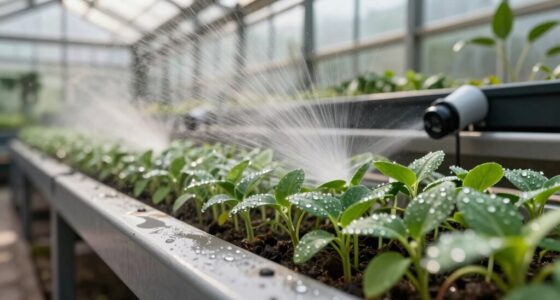
To recognize and treat common plant diseases, start by carefully observing symptoms like spots, discoloration, wilting, or mold. Note patterns and signs such as powdery coatings or rust-colored spores, which help narrow down causes. Collect samples for lab testing to confirm the pathogen. Early detection allows for targeted treatments, like fungicides or organic options, and implementing preventative practices. Keep exploring for detailed tips to enhance your disease management skills and protect your crops effectively.
Listen free for 30 days with Audible
Thousands of audiobooks and originals — cancel anytime.
As an affiliate, we earn on qualifying purchases.
Key Takeaways
- Carefully observe and document physical symptoms like spots, discoloration, or mold to identify potential plant diseases.
- Use symptom patterns and signs, such as rust spores or water-soaked areas, to narrow down possible pathogens.
- Collect samples for laboratory tests like microscopy or PCR to confirm specific disease-causing organisms.
- Implement early detection and integrated practices like crop rotation and debris removal to prevent disease spread.
- Apply targeted treatments such as fungicides or organic options promptly based on accurate diagnosis.
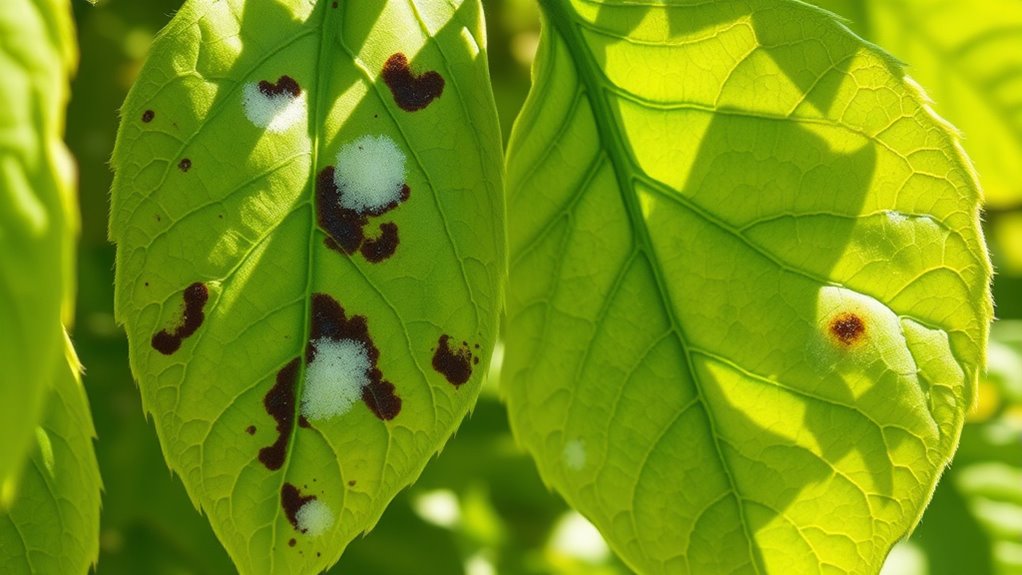
Diagnosing plant diseases accurately is essential for maintaining healthy crops and preventing considerable yield losses. When you suspect your plants are unwell, proper plant pathogen identification becomes your first step. Correctly pinpointing the disease-causing organism helps you choose the most effective treatment and avoid unnecessary chemical use. To do this, you’ll need to rely on symptom analysis techniques that allow you to observe and interpret the signs your plants display. These techniques involve carefully examining the physical characteristics of the affected tissues, such as spots, wilting, discoloration, or mold growth, and noting their patterns and progression.
Start by observing the symptoms closely. Are the leaves showing yellowing patches, or are there dark, sunken lesions? Is there a powdery or fuzzy coating on the plant surfaces? Symptoms often give clues about the underlying pathogen. For example, rust-colored spores might indicate a fungal infection, while dark, water-soaked spots could suggest bacterial disease. Using these symptom analysis techniques, you can narrow down the possible causes before moving to more specific tests. Keep detailed notes and photographs, as these will help you track progression and compare symptoms with reference materials or consult experts later.
In addition to visual inspection, collecting samples for laboratory testing can greatly improve your plant pathogen identification accuracy. Sending a sample to a plant pathology lab allows for microscopic examination, culturing the pathogen, or using molecular diagnostics like PCR. These methods provide definitive identification, especially when symptoms are ambiguous or mixed infections occur. However, initial symptom analysis remains a crucial step because it guides the sampling process and helps prioritize what tests are necessary. Moreover, understanding common disease symptoms and their associated pathogens can also help in disease prevention, reducing the likelihood of future outbreaks.
Understanding common disease symptoms and their associated pathogens also enables you to implement preventative measures proactively. For example, rotating crops, improving soil drainage, and removing infected debris can considerably reduce pathogen load. When you recognize early signs of disease, prompt treatment with appropriate fungicides, bactericides, or organic options can prevent spread and minimize crop loss. Remember, the sooner you identify the problem, the easier it is to control it effectively.
Ultimately, mastering symptom analysis techniques and developing skills in plant pathogen identification empower you to diagnose plant diseases accurately. This knowledge allows you to make informed decisions quickly, protect your crops, and maintain healthy, productive plants. Being attentive to the signs your plants show and taking timely action are your best strategies against common plant diseases.
As an affiliate, we earn on qualifying purchases.
Frequently Asked Questions
How Can I Prevent Diseases Before They Appear?
You can prevent diseases before they appear by maintaining healthy soil and practicing crop rotation. Healthy soil boosts plant immunity and reduces pathogen build-up, while crop rotation disrupts disease cycles, preventing specific pathogens from thriving. Keep your plants well-watered and avoid over-fertilizing, which can weaken their defenses. Regularly inspect your plants for early signs of trouble, and remove any infected debris. These proactive steps create an environment less conducive to disease development.
Are There Organic Treatments for Common Plant Diseases?
Like a gentle rain nourishing the earth, organic remedies offer natural controls for plant diseases. You can use neem oil, garlic spray, or compost teas to combat common issues without chemicals. These organic treatments are effective and eco-friendly, helping your plants stay healthy. Regularly applying these natural controls enhances resistance, reduces disease spread, and keeps your garden thriving without harming beneficial insects or the environment.
How Long Does It Take to See Results After Treatment?
You’ll usually see results within a week or two after treatment, but it depends on treatment effectiveness and how severe the symptoms are. If the organic method works well, symptoms like discoloration or wilting should start to fade. Keep an eye on your plant, and if you don’t notice improvement in a couple of weeks, it might be time to try a different approach or reassess the diagnosis.
Can Multiple Diseases Affect a Plant Simultaneously?
Yes, multiple diseases can affect a plant simultaneously, much like a symphony with overlapping instruments. Disease interactions often cause symptom overlap, making diagnosis tricky. You’ll notice combined effects like wilting, spots, or discoloration appearing together. Recognizing these signs helps you address each issue effectively. Keep an eye out for mixed symptoms, and consider consulting a plant pathologist if you’re unsure, to prevent further damage.
What Are the Best Tools for Diagnosing Plant Diseases?
You should use diagnostic tools like handheld microscopes, testing kits, and smartphone apps designed for plant pathology. These tools help you accurately identify diseases by examining symptoms and detecting pathogens. Laboratory tests, such as culture and DNA analysis, are also valuable for precise diagnosis. By utilizing these diagnostic tools, you improve your ability to recognize and treat plant diseases effectively, ensuring healthier plants and better crop management.
Conclusion
Knowing how to recognize and treat common plant diseases empowers you to keep your garden healthy. For example, if you spot yellowing leaves on your tomato plants early, you can address early blight before it spreads. By staying vigilant and acting swiftly, you prevent minor issues from turning into major setbacks. With these skills, you’ll enjoy a thriving garden and bountiful harvests, turning plant care into a rewarding and successful experience.
NFL season / tailgating Picks
team gear
As an affiliate, we earn on qualifying purchases.