Propagation heat mats only help if you manage your flats carefully. You need to place them on a stable surface, use covers to trap heat evenly, and monitor temperatures regularly. Proper air circulation, humidity control, and watering are essential for healthy seedling growth. Without these steps, the heat mat’s benefits won’t reach their full potential. Keep these practices in mind, and you’ll improve your success rate—there’s more to discover if you keep going.

Get garden gear delivered free with Prime
- Fast, free delivery on millions of items
- Prime Video, Amazon Music and more included
- Member-only deals all year
Key Takeaways
- Proper placement and coverage of flats ensure even heat distribution and optimal germination.
- Monitoring and adjusting temperature with thermostats prevent overheating and temperature fluctuations.
- Managing humidity and air circulation reduces mold risks and promotes healthy seedling growth.
- Watering should keep soil moist but not waterlogged, preventing damping-off disease.
- Avoid drafts and cold areas to maintain stable environmental conditions for consistent heat effectiveness.
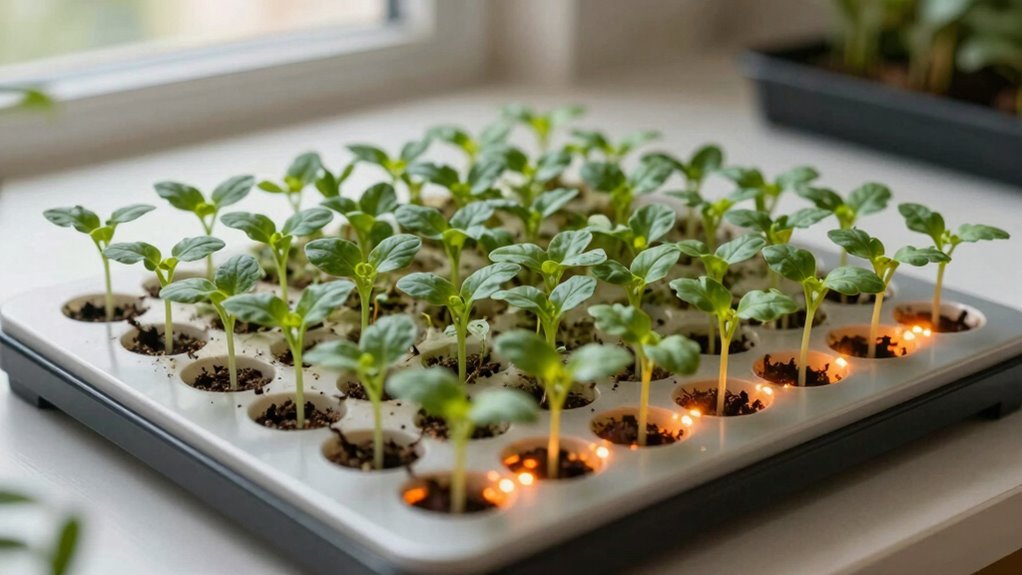
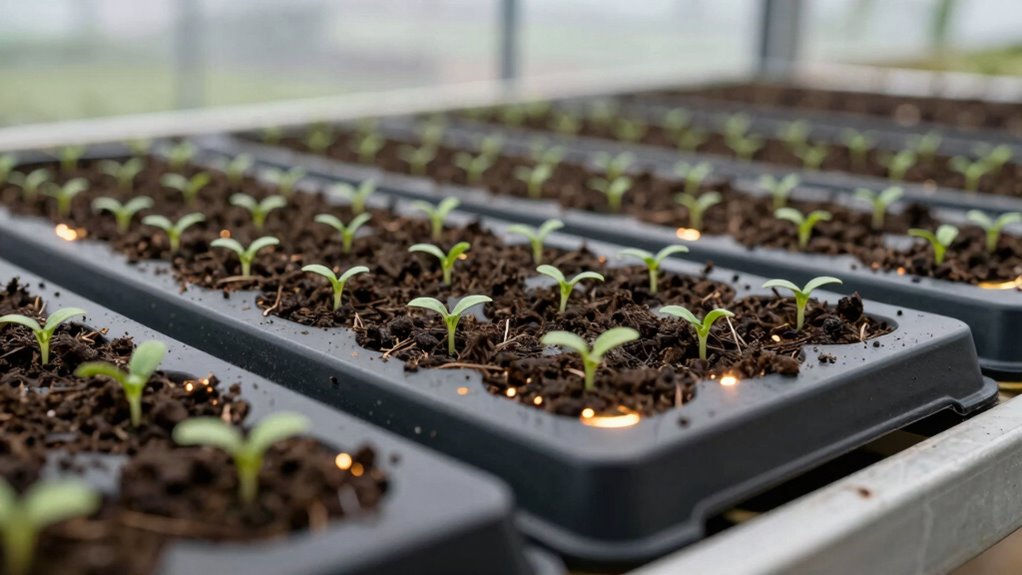
When you use a heat mat without proper management, you risk uneven heating, which can lead to inconsistent germination or weak seedlings. Heat rises, so placing your flats directly on the mat without a proper cover or insulation can cause overheating in some spots and insufficient warmth in others. To maximize plant growth, ensure you place a layer of insulation, like a humidity dome or tray cover, over the flats. This traps the heat evenly, creating a stable environment that promotes uniform germination. Managing your flats also means monitoring temperature levels regularly. Most heat mats come with a thermostat or temperature controller, which you should use to prevent overheating. Excess heat not only hampers plant growth but also wastes energy efficiency, increasing your power consumption unnecessarily. Proper management also involves understanding how heat transfer affects plant development, allowing you to optimize your setup further. Air circulation is another critical aspect. If you leave your flats too tightly covered, it can lead to excess humidity and mold growth. Proper management involves opening vents or removing covers once seedlings sprout to allow fresh air in. This improves oxygen exchange and prevents diseases that could weaken your plants. Watering practices also play a role. Keep the soil moist but not soaked, as overly wet conditions combined with heat can cause damping-off disease, decimating your seedlings. Managing moisture levels ensures healthy, vigorous growth, making the most of the warmth provided by your heat mat. Additionally, understanding the importance of environmental control can help you create optimal conditions for seedlings. Regularly checking placement of your flats is crucial, as improper positioning can negate the benefits of the heat mat. If they’re not positioned correctly—such as being too close to a cold window or in a drafty area—you’ll negate the benefits of the heat mat altogether. Proper management involves placing the flats in a stable environment where temperature fluctuations are minimized. This ensures the energy efficiency of your setup, reducing unnecessary heat loss and saving you money on energy bills. Being aware of heat distribution patterns can also help you further optimize your germination success.
propagation heat mat with thermostat
As an affiliate, we earn on qualifying purchases.
As an affiliate, we earn on qualifying purchases.
Frequently Asked Questions
How Long Should I Leave the Heat Mat on Each Day?
You should leave the heat mat on for about 12 to 16 hours each day, depending on your plant’s needs. Proper temperature regulation is essential, so monitor soil warmth and adjust the usage duration accordingly. Keep in mind that leaving it on too long can overheat the flats, while too short may hinder germination. Consistent, moderate heat helps guarantee healthy growth without stressing your plants.
What Are the Signs of Overusing a Propagation Heat Mat?
A stitch in time saves nine. Overusing your propagation heat mat can lead to plant stress, showing signs like wilting, yellowing, or stunted growth. You might also notice inconsistent germination. Excess heat wastes energy efficiency, making your setup less effective and increasing power bills. To avoid this, monitor soil temperature and adjust the mat accordingly, ensuring your plants stay healthy without overexposure.
Can Heat Mats Be Used for All Types of Plants?
Heat mats can be used for many plant species, but their effectiveness depends on the plant’s climate adaptability. You should consider each plant’s specific needs, as some thrive with consistent warmth, while others prefer cooler conditions. Always research the particular plant species you’re propagating, and modify the heat mat usage accordingly. Proper management ensures the heat mat supports healthy growth without causing stress or damage to your plants.
How Do I Prevent Root Damage From Heat Mats?
To prevent root damage from heat mats, you should monitor the root zone temperature carefully, ensuring it stays within safe limits. Use a thermostat or a temperature controller to prevent overheating. Additionally, maintain proper moisture control by avoiding overwatering, which can lead to root rot. Regularly check your plants and adjust the heat mat settings accordingly, giving roots the warmth they need without risking damage.
Are There Safety Concerns With Using Heat Mats Indoors?
Yes, there are safety hazards and electrical risks associated with using heat mats indoors. You should always follow the manufacturer’s instructions, keep the mats away from water, and make sure they are properly grounded. Avoid placing them on flammable surfaces, and regularly check for frayed wires or damage. Using heat mats responsibly minimizes electrical risks and safety hazards, helping you create a safe environment for plant propagation.
Conclusion
If you think propagation heat mats are a magic bullet, think again. Without proper management, they’re like a spaceship lost in space—completely useless. You’ve got to give them the right soil, correct temperature, and consistent care, or they’ll just sit there, doing nothing but wasting your time and energy. Master the management, and these mats become your secret weapon, turning tiny seeds into the thriving plants of your dreams. Don’t underestimate this crucial step!
Halloween Picks
halloween
As an affiliate, we earn on qualifying purchases.