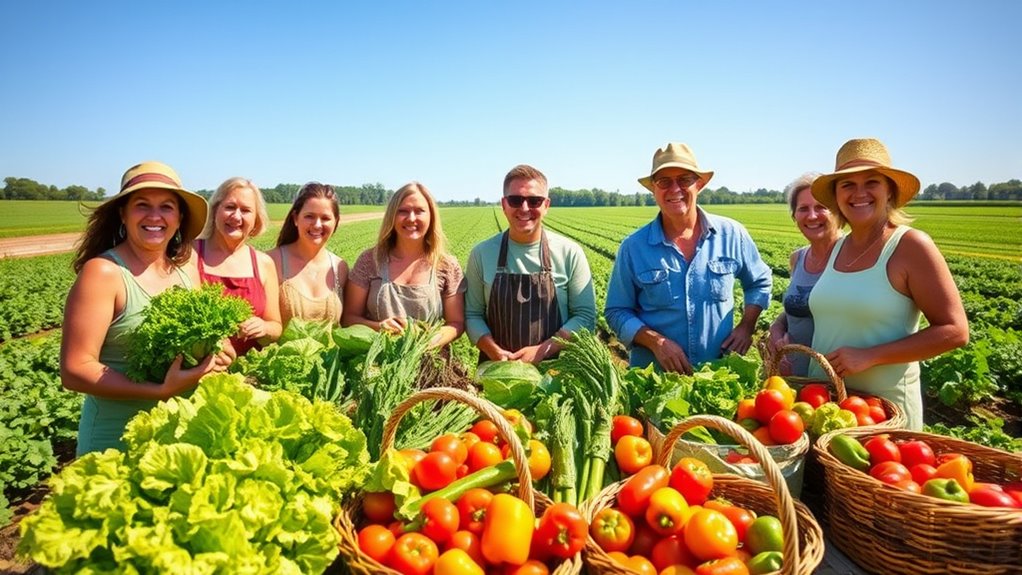

Community-supported agriculture (CSA) models connect you directly with local farmers through share purchases, giving you access to fresh, seasonal produce while supporting sustainable farming practices. This arrangement fosters transparency, strengthens community ties, and encourages you to eat locally and sustainably. By participating, you help reduce food waste and support small farmers. If you keep exploring, you’ll discover how these models benefit both your health and the environment, making your food choices more meaningful.
Prime for Young Adults — start your free trial
Fast free delivery, streaming and member deals for eligible 18–24 year olds.
As an affiliate, we earn on qualifying purchases.
Key Takeaways
- CSA models connect consumers directly with farmers through share purchases, fostering transparency and community relationships.
- They promote sustainable practices like crop rotation, organic farming, and biodiversity to support environmental health.
- CSAs provide fresh, seasonal, and diverse produce, reducing food waste and encouraging local, in-season eating.
- They offer educational opportunities, farm visits, and community engagement to deepen understanding of sustainable agriculture.
- CSA models support small-scale farmers, strengthen local economies, and promote ethical, long-term food system sustainability.
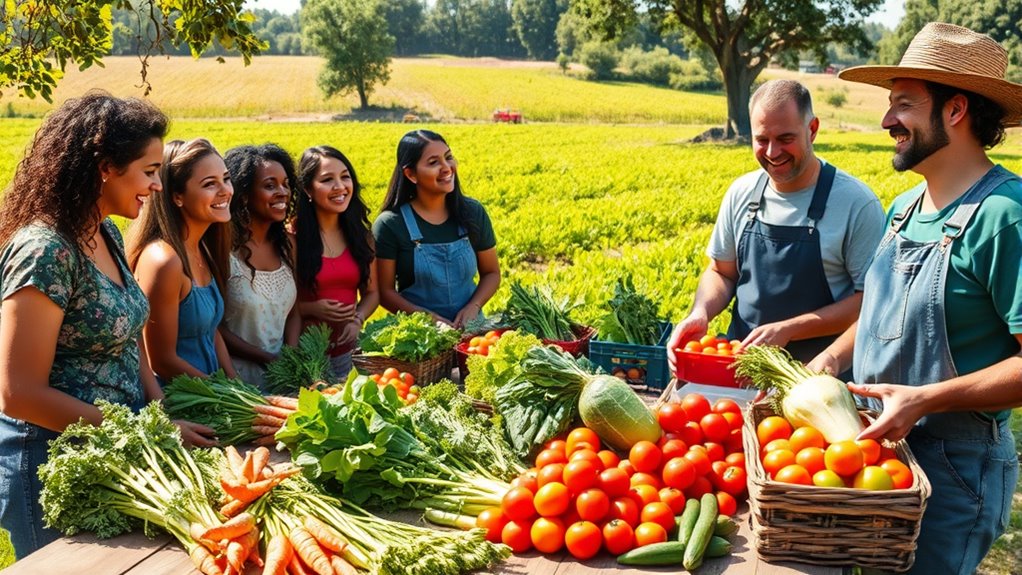
Community-supported agriculture (CSA) models create a direct connection between farmers and consumers, allowing you to buy shares of a farm’s harvest in advance. This setup not only provides fresh, seasonal produce but also promotes sustainable farming practices. When you participate in a CSA, you become part of a local food network that supports small-scale farmers committed to environmentally friendly methods. By investing upfront, you help farmers plan their crops more efficiently, reducing waste and overproduction. This mutual commitment encourages practices like crop rotation, organic farming, and soil conservation, which are essential components of sustainable farming. As a result, your support contributes to healthier ecosystems and reduces reliance on industrial agriculture, which often harms the environment.
Joining a CSA means you’re actively supporting your local community. Instead of purchasing produce from distant supermarkets, you’re connecting directly with the people who grow your food. This relationship fosters transparency, so you know exactly how your food is cultivated. Many CSA farms also diversify their crops, planting heirloom varieties and seasonal produce that you might not find at typical grocery stores. This variety enriches your diet and promotes biodiversity. Additionally, because the produce travels shorter distances to reach you, there’s a smaller carbon footprint associated with transportation. This local focus aligns with the goals of sustainable food systems, making your food choices more environmentally responsible.
Participating in a CSA can also deepen your understanding of farming cycles and seasonal eating. You’ll receive shares that change with the harvest, encouraging you to eat in harmony with nature’s rhythms. This not only reduces food waste but also helps you enjoy fresher, more nutritious foods. Many farms offer educational opportunities or farm visits, so you can see firsthand how sustainable farming techniques are applied. Connecting with farmers and other community members strengthens local food networks, fostering resilience and self-sufficiency within your community.
Supporting small-scale farmers through CSA models also promotes trustworthiness of the brand, ensuring that your food is sourced responsibly and ethically. Ultimately, a CSA offers more than just fresh produce; it provides a way to engage actively in sustainable farming and support local economies. Your investment helps ensure that small farmers can continue practicing environmentally friendly methods, preserving farmland for future generations. By choosing a CSA, you’re making a conscious decision to prioritize quality, community, and sustainability over convenience. It’s a powerful way to participate in a food system that values ecological health, local economies, and your personal well-being, creating a win-win situation for everyone involved.
Frequently Asked Questions
How Do CSA Models Vary Internationally?
You’ll find CSA models vary internationally due to cultural adaptations and legal frameworks. In some countries, community involvement is central, while others focus on direct farm-to-consumer sales. Legal regulations influence how CSAs operate, affecting membership structures and food safety standards. You might notice different payment models, seasonal practices, or distribution methods, all shaped by local culture and laws. These variations make sure CSAs fit diverse communities worldwide, maintaining relevance and sustainability.
Can CSA Memberships Be Transferred or Gifted?
Think of CSA memberships as a gift-wrapped box of fresh produce—you can definitely pass it along. Many CSA programs allow membership transfers or gift options, so you can share the bounty with friends or family. Just check with your specific CSA provider for their policies, as procedures and restrictions vary. Transferring or gifting your membership is a great way to spread the farm-fresh love and support local agriculture.
What Are Common Challenges Faced by CSA Farms?
You’ll face challenges like seasonal crop planning, which requires careful timing and variety selection to meet member expectations. Member retention can be tough when yields fluctuate or weather disrupts harvests. You need to maintain strong communication, diversify crops, and adapt plans to keep members satisfied. By staying flexible and proactive, you can overcome these common hurdles and build a loyal community that values your farm’s fresh, seasonal produce.
How Do CSA Models Support Local Economies?
CSA models support your local economy by creating local job opportunities, which boosts employment in farming and related sectors. They also promote farm revenue stability, helping farmers invest in better equipment, expand production, and sustain their operations. When you participate in a CSA, you’re directly contributing to the local economy, strengthening community ties, and encouraging sustainable practices that benefit everyone in your area.
What Are the Environmental Impacts of CSA Practices?
You see, CSA practices promote sustainable farming and soil conservation, which benefits the environment. By reducing chemical use and encouraging crop diversity, you help lower pollution and preserve biodiversity. These methods also cut down on food miles, decreasing greenhouse gas emissions. While supporting local food systems, you actively contribute to healthier soils and a more resilient ecosystem. Your choices in CSA participation create a positive ripple effect for the planet’s future.
Conclusion
Now that you know how CSA models work, you might wonder if joining one is right for you. By supporting local farmers and enjoying fresh, seasonal produce, you not only nourish yourself but also build stronger communities. Isn’t it worth investing in healthier food and a more sustainable future? Consider becoming part of a CSA—your plate and the planet might thank you. Ready to make a positive change today?
Fall yard work Picks
leaf blowers
As an affiliate, we earn on qualifying purchases.