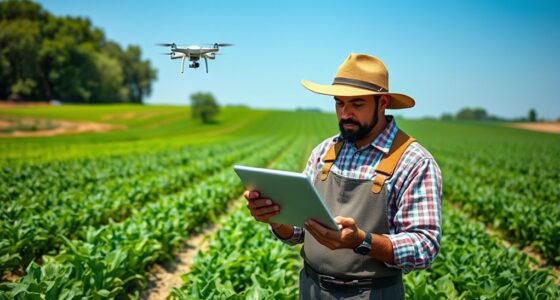

To track farm inputs without overcomplicating records, start by creating simple routines integrated into daily tasks, such as logging fertilizer use and equipment maintenance. Use basic logs or digital tools to monitor expenses and application patterns, and schedule regular soil tests to guide nutrient needs. Keep maintenance and input records straightforward and review them periodically to identify waste and improve efficiency. If you keep things simple, you’ll find managing farm inputs becomes more effective and less overwhelming as you go.
Listen free for 30 days with Audible
Thousands of audiobooks and originals — cancel anytime.
As an affiliate, we earn on qualifying purchases.
Key Takeaways
- Use simple, standardized logs or spreadsheets to record input usage and maintenance activities consistently.
- Incorporate recording routines into daily farm tasks to ensure regular, effortless documentation.
- Focus on tracking essential data like input quantities, costs, and key maintenance activities only.
- Review records periodically to identify waste or inefficiencies without overanalyzing every detail.
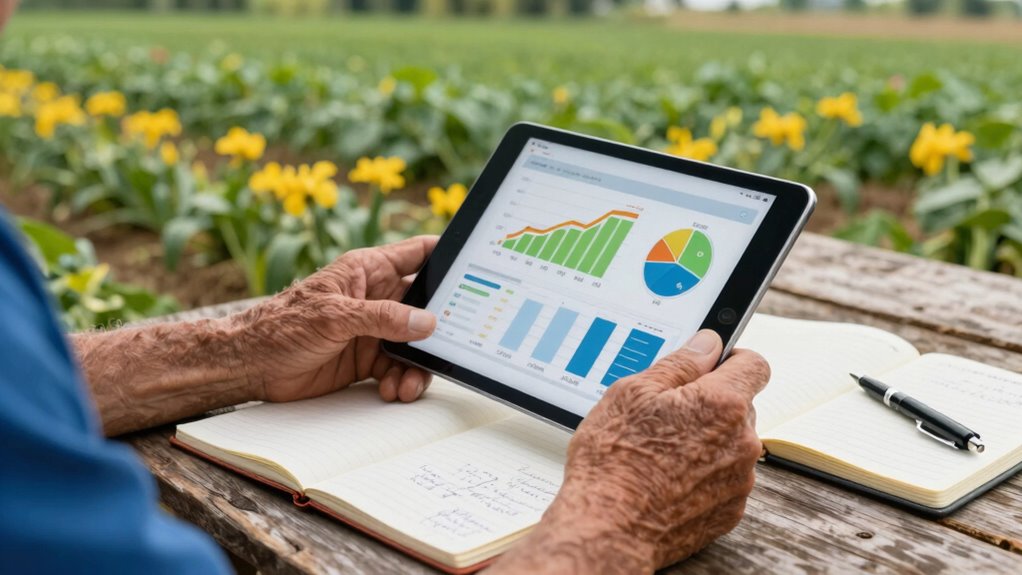
- Utilize basic tools like mobile apps or paper logs to keep records accessible and easy to update.

Tracking farm inputs is vital for managing costs, optimizing resource use, and guaranteeing a successful harvest. When you keep an accurate record of what you use, you can identify patterns, reduce waste, and make informed decisions that boost productivity. One effective way to do this is by establishing simple routines that fit seamlessly into your daily farm activities. For instance, scheduling regular soil testing helps you determine exactly what nutrients your soil needs, preventing over-application of fertilizers and saving money. Instead of guessing or applying broad recommendations, you get precise data that guides your input choices, making your efforts more targeted and effective.
Similarly, maintaining your equipment properly is an essential part of tracking inputs. When you record maintenance activities—like oil changes, blade sharpening, or calibration—you prevent costly breakdowns and guarantee your tools work efficiently. Not only does this extend the lifespan of your equipment, but it also guarantees that inputs such as fertilizers, pesticides, and water are applied accurately. Well-maintained machinery reduces waste and enhances application precision, which directly impacts your input costs and crop yields. By keeping a simple log of maintenance schedules and tasks, you gain a clear picture of your operational expenses and equipment performance over time. Incorporating record-keeping practices into your routine can further streamline your management processes and improve overall efficiency. Regularly reviewing your input data helps you identify areas where you can further reduce waste and improve your farm’s sustainability. Remember, consistent documentation helps you monitor trends and optimize your farm’s productivity over the long term.
As an affiliate, we earn on qualifying purchases.
Frequently Asked Questions
What Are the Best Apps for Farm Input Tracking?
You should try apps like Farmbrite or Agroop, which help track farm inputs easily. These apps let you log crop rotation schedules, soil testing results, and input usage without overcomplicating your records. They provide simple interfaces that keep your data organized, making it easy to monitor soil health and plan crop cycles. Using these tools helps you stay on top of essential farm management tasks efficiently.
How Often Should I Update My Input Records?
You should update your input records regularly, ideally after each application or at least weekly, to guarantee input accuracy. Consistent record frequency helps catch mistakes early and keeps your data reliable. By maintaining timely updates, you avoid gaps and discrepancies, making it easier to analyze your farm’s performance and make informed decisions. Set a routine that fits your schedule, so record keeping becomes a seamless part of your farm management.
Can I Automate Input Tracking Processes?
Ever wondered if you can automate your input tracking? Absolutely, you can! Instead of manual logging every detail, embrace digital solutions like farm management apps that automatically record inputs. These tools sync data in real-time, reducing errors and saving you time. Isn’t it smarter to leverage technology rather than drown in paperwork? Automating your process simplifies tracking, keeps records accurate, and helps you make better-informed decisions on your farm.
What Are Common Mistakes in Tracking Farm Inputs?
A common mistake is input misclassification, where you wrongly categorize inputs, leading to inaccurate records. You might also face record inconsistencies if you don’t update your logs regularly or use different formats, causing confusion. To avoid these, double-check your entries and establish a consistent recording method. Regular audits help catch errors early, ensuring your data remains reliable and simplifies tracking farm inputs effectively.
How Do I Handle Input Tracking During Peak Seasons?
During peak seasons, handle input tracking by maintaining a clear seasonal inventory, so you know what’s available and what’s been used. Use manual record keeping efficiently by updating records daily or after each activity, rather than trying to do everything at once. This prevents errors and keeps your system simple. Focus on quick, consistent entries, and review your inventory regularly to stay organized without overcomplicating your tracking process.
Conclusion
By keeping your farm input records simple and organized, you save time and reduce errors. Did you know that farms with streamlined record-keeping see a 20% increase in productivity? Imagine knowing exactly what you used and when — it’s like having a clear map to better yields. Stick to straightforward tracking methods, and you’ll make smarter decisions without getting overwhelmed. Your farm’s success depends on those well-maintained records, so start today!
Flea & tick season Picks
flea and tick prevention
As an affiliate, we earn on qualifying purchases.