TL;DR

Get garden gear delivered free with Prime
- Fast, free delivery on millions of items
- Prime Video, Amazon Music and more included
- Member-only deals all year
Amateur Gardening reports that rhododendrons, hydrangeas and camellias can add flowers and foliage to north-facing gardens with limited sunlight. The plants have different needs: rhododendrons require acidic soil, while all three still need appropriate watering and planting care.
Rhododendrons, hydrangeas and camellias are three plants recommended for adding flowers and foliage to shady, north-facing gardens, according to a report by Amateur Gardening. The magazine cites Calogero Scanella, managing director of Surrey-based CS Gardens, who says suitable choices can provide blooms at different times of year, although the plants still have specific growing needs.
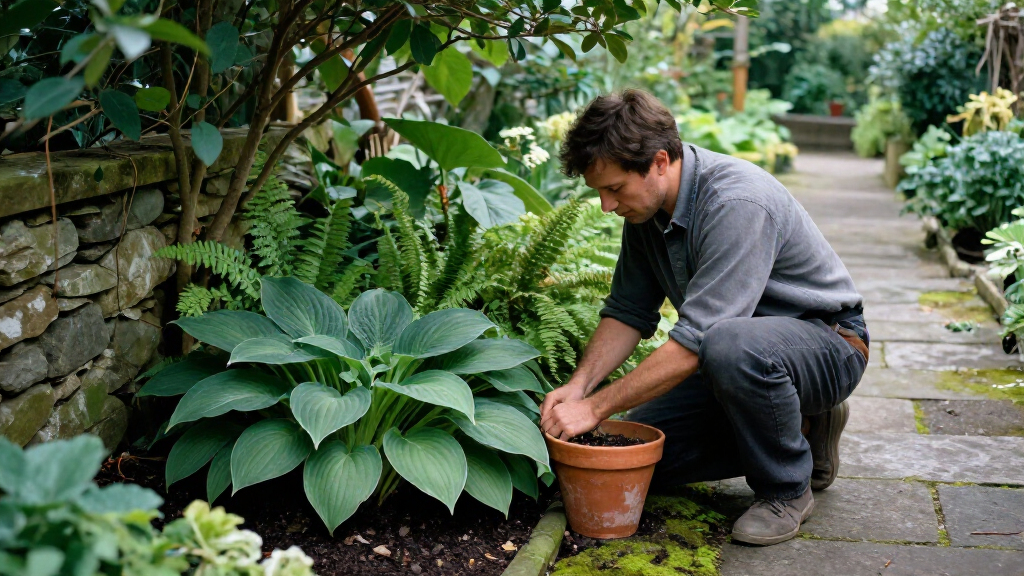
The three plants can be grown in garden borders or in pots and containers, according to the report. That gives gardeners options for patios, window boxes and areas beside fences or trees, where direct sunlight may be limited. The article says these plants can also soften bare or imposing garden features and bring interest to darker areas.
Rhododendrons need acidic soil, a requirement that gardeners should check before planting. The report says soil beneath conifers or pine trees is likely to be acidic, while gardeners without suitable ground can use acidic soil in a container. Hydrangeas are described as able to grow with just a few hours of sun each day; Scanella says strong sunlight can cause their flower colours to fade sooner.
Camellias offer evergreen foliage as well as flowers that typically appear in late winter or early spring, according to the report. Its care advice also recommends adding compost when planting near trees, watering during warm, dry weather and applying mulch made from shredded bark or organic matter to help retain soil moisture.
Seasonal Colour in Low-Light Gardens
North-facing gardens and other sheltered spots can receive less direct sunlight than many common planting guides assume. These recommendations give readers three options matched to lower-light conditions, with different forms of interest: rhododendron blooms, hydrangea flowers that may last longer in shade, and camellia foliage through the year.
The advice also points to a practical distinction: shade tolerance alone does not make a plant suitable for every garden. Soil acidity is a particular consideration for rhododendrons, while watering and soil preparation remain relevant even in shaded locations. Checking these conditions before planting can help gardeners choose between a border planting and a container.
Popular right now

Bose QuietComfort True Wireless Earbuds with Active Noise Cancellation, Black

Bose QuietComfort Headphones (2nd Gen), Wireless Over-Ear Noise-Cancelling Headphones, Hazelnut Taupe

Ninja Foodi Air Fryer, 8 Qt DualZone, 6-in-1, Grey, DZ201
As an affiliate, we earn on qualifying purchases.
The Three Plants and Their Needs
Scanella told Amateur Gardening that a north-facing or shady garden can limit plant choices, but that some plants prefer shade and shelter. The report presents the three selections as complementary, with flowering periods that can spread across the year. It does not provide cultivar names or a detailed planting calendar, so local growing conditions and the chosen variety may affect results.
Rhododendrons are woodland plants in their natural settings, according to the article, and can spread quickly. Their need for acidic soil is the key qualification in the recommendation. Hydrangeas can suit spots with only a few hours of daily sunlight, and the expert says shade can help their flowers remain attractive later into summer and autumn. Camellias bring glossy, evergreen leaves and flowers during a period when many other plants have less visible growth.
The report also suggests locating shade-tolerant plants near tall fences and tree lines, which can provide shelter from strong winds. However, planting beneath trees may mean working around extensive roots and soil that is difficult to cultivate. Compost and mulch are offered as ways to improve planting conditions, rather than as substitutes for checking each plant’s requirements.
“There are plenty of varieties that are perfectly happy with just a few hours a day. In fact, too much sun can cause the colours to fade quickly.”
— Calogero Scanella, as quoted by Amateur Gardening
Local Conditions Still Matter
The report does not specify which rhododendron, hydrangea or camellia varieties were recommended, or give detailed guidance on hardiness, mature size or spacing. It also does not identify the soil conditions or climate for which its advice is intended beyond noting the expert’s Surrey base. Flowering times and performance can vary by variety and local conditions, so the general recommendations are not a guarantee of results in every garden.
The source says soil beneath conifers or pines is likely to be acidic, but it does not provide a soil-testing method or confirm that every such site will meet a rhododendron’s needs. Gardeners should check their own soil and plant labels before choosing a location.
Check Soil Before Planting
Gardeners considering the three plants can begin by looking at how much direct sunlight their chosen spot receives and whether it is sheltered. For rhododendrons, the next step is to check soil acidity or choose a container with suitable acidic soil. For all three, the report recommends preparing the planting area with compost where needed, keeping plants watered during warm, dry spells and using mulch to help the soil retain moisture.
Amateur Gardening’s report does not announce a new product, event or follow-up date. The practical next move is to select a suitable variety and consult its care instructions, since the article’s broad recommendations do not cover every cultivar or local growing condition.
Key Questions
Which plants does the report recommend for a shady, north-facing garden?
It recommends rhododendrons, hydrangeas and camellias, citing garden expert Calogero Scanella.
Do rhododendrons need special soil?
Yes. The report says rhododendrons need acidic soil. It suggests considering a container with acidic soil if the garden’s soil is unsuitable.
Can hydrangeas grow with little sunlight?
According to Scanella, some hydrangea varieties can grow with a few hours of sun a day. The report says too much sun can make flower colours fade more quickly.
Do shade-loving plants still need watering?
Yes. The article cautions that shade does not remove the need to water. It recommends regular watering, especially during warm, dry weather.
What care does the report suggest when planting under trees?
It recommends adding compost to support the soil, while noting that tree roots can make planting difficult. A layer of organic mulch or shredded bark may also help retain soil moisture.
Source: amateurgardening.com