TL;DR

Get garden gear delivered free with Prime
- Fast, free delivery on millions of items
- Prime Video, Amazon Music and more included
- Member-only deals all year
A report by Ideal Home outlines five October actions recommended by wildlife and veterinary experts: clean feeders, leave fallen leaves and twigs, provide suitable supplementary food, maintain fresh water, and preserve some natural garden cover. The advice is seasonal guidance, not a report of a new policy or measured change in bird populations.
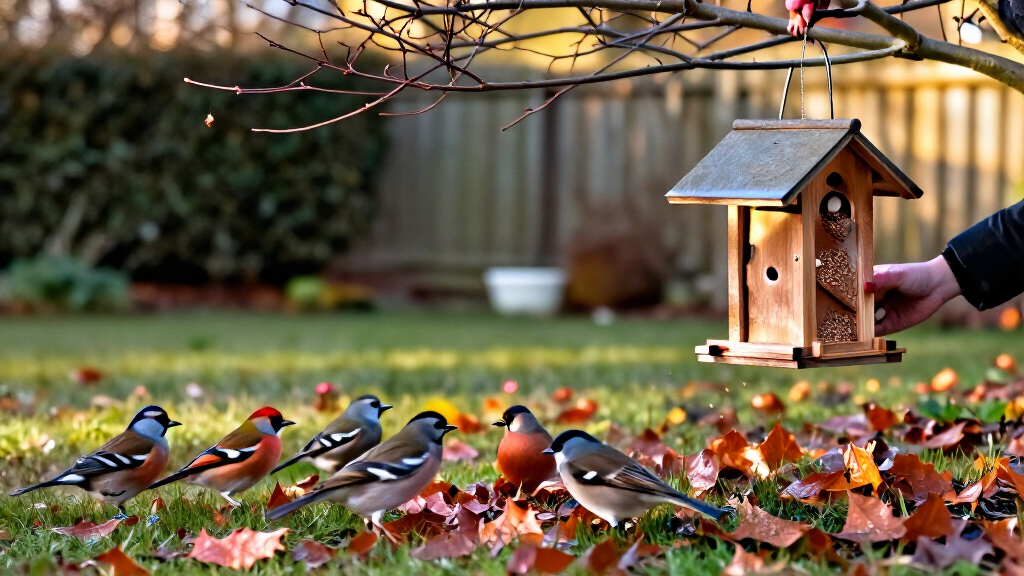
Ideal Home has published five expert-recommended steps for helping robins, finches and other garden birds in October, including cleaning feeders, leaving leaf litter and providing fresh water. The guidance focuses on autumn conditions, when some natural food may become less available and early frosts can affect shallow water sources.
The first recommendation is weekly feeder cleaning. James Ewens, a bird specialist at Green Feathers, told Ideal Home that birds gathering at one feeding point can spread disease. He advises removing old food and droppings, washing feeders with hot, soapy water, rinsing them thoroughly and occasionally moving them to limit the build-up of contaminated material below.
The other steps are to leave fallen leaves and small twigs, offer supplementary food suited to the season, keep a clean supply of water available, and allow part of the garden to remain less tidy. Nicola Bryden, a veterinarian and member of the Royal College of Veterinary Surgeons, said leaf litter can protect insects and other invertebrates that ground-feeding birds such as robins eat.
Ewens recommends offering food little and often, including mealworms or suet, and says seeds and peanuts become more useful toward the end of October as natural supplies decline. The report also advises gardeners to retain seed heads, berries and rough vegetation, which can provide food and shelter in different parts of a garden rather than concentrating birds at one feeder.
Autumn Food and Shelter
The advice addresses several practical pressures that can affect garden birds as the season changes: food availability, access to water and disease risk around feeding sites. Leaving leaves and seed heads can support natural feeding opportunities, while a maintained birdbath offers water for drinking and bathing as temperatures fall.
These are recommendations from experts quoted by Ideal Home, not evidence that following the five steps will produce a measured increase in local bird numbers. For readers, the main value is a manageable checklist that combines feeding with habitat care and hygiene, rather than treating bird support as simply putting out more food.
As an affiliate, we earn on qualifying purchases.
Why October Care Differs
The source frames October as a period ahead of colder weather, when autumn leaves are falling and nighttime frost may begin. Bryden said robins and other ground-foraging birds rely on invertebrates and that leaf cover helps maintain habitats where those food sources are found. The report also notes that birds need clean feathers for insulation, making access to water relevant beyond drinking.
Advice on feeding is seasonal rather than uniform. Ewens told the publication that natural food can still be relatively abundant in autumn, while birds may need additional energy as temperatures cool and after moulting. He also advises delaying seeds and peanuts until the end of October because of what he describes as an increased trichomonosis risk from May through October. The report does not provide independent data or further clinical detail about that risk.
“The number one priority is hygiene!”
— James Ewens, bird specialist at Green Feathers, quoted by Ideal Home
Limits of the Published Advice
The report does not quantify how many birds may benefit, measure the impact of the five actions, or specify how recommendations vary by location, garden type or bird species. It also does not provide supporting data for the stated seasonal trichomonosis risk or explain whether the timing applies across all regions.
Local conditions matter: frost dates and food availability differ, and the source does not set out a single feeding schedule or quantities. The guidance should be read as expert advice reported by Ideal Home, rather than a guarantee of results or a formal population assessment.
Practical Steps Through Autumn
Gardeners can start with routine tasks: clean feeders at least weekly, remove spoiled food, and check water regularly as nights get colder. Where a birdbath freezes, Bryden advises using warm water to melt the ice and avoiding salt or chemical de-icers.
As October progresses, the source recommends retaining natural cover and adjusting supplementary food to the season, with seeds and peanuts brought out from the end of the month according to Ewens. The report does not announce a follow-up study or official action; its next step for readers is to apply the guidance while monitoring local weather and keeping feeding and water areas clean.
Key Questions
What are the five October steps for supporting garden birds?
Clean feeders, leave leaf litter and small twigs, provide suitable supplementary food, maintain fresh water, and let part of the garden grow naturally with seed heads, berries and rough vegetation.
How often should bird feeders be cleaned?
James Ewens told Ideal Home that feeders should be cleaned at least weekly. Remove old food and droppings, wash with hot, soapy water, and rinse thoroughly.
What should I do if a birdbath freezes?
Nicola Bryden advises melting ice with warm water. She says not to use salt or chemical de-icers in the water.
Should I put out seeds and peanuts in early October?
Ewens recommends holding off on seeds and peanuts until the end of October, citing an increased trichomonosis risk from May through October. The source does not provide further evidence or region-specific guidance for that timing.
Why leave fallen leaves in the garden?
Bryden said leaf litter can protect habitats for insects, spiders and worms that ground-feeding birds such as robins eat. It also provides cover as colder weather approaches.
Source: rss
Halloween Picks
halloween
As an affiliate, we earn on qualifying purchases.