
TL;DR

Get garden gear delivered free with Prime
- Fast, free delivery on millions of items
- Prime Video, Amazon Music and more included
- Member-only deals all year
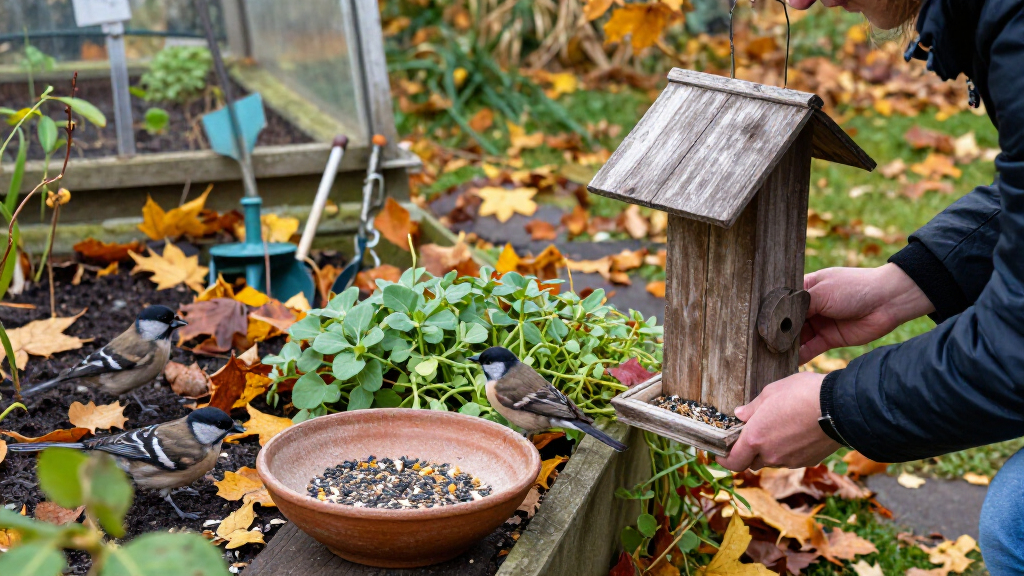
A Homes & Gardens report outlines five ways to support backyard birds in October, drawing on advice from Birdbuddy ornithologist Mary Mack Gray. Her recommendations include cleaning and reliably stocking feeders, leaving seed heads and some garden debris, and maintaining clean water; the article does not report new research or measured effects.
A Homes & Gardens report recommends five October steps to support backyard birds, citing advice from Mary Mack Gray, an in-house ornithologist at Birdbuddy. The practical guidance focuses on clean, dependable food and water, along with seed-bearing plants and sheltered garden areas, as birds prepare for colder weather and migration.
Gray advises gardeners to clean feeders thoroughly, keep them stocked with high-energy food and place them where food is less likely to spoil. The report says damp, mild fall conditions can encourage mold and fungal growth on feeders. Moving feeders can limit the buildup of debris below them, which Gray says may reduce disease transmission and pest attraction.
For food, the report names suet, sunflower hearts and nuts as high-energy options, alongside advice on feeding hummingbirds this fall. Gray says reliable food supplies in fall can make a yard more likely to draw birds in winter. She also recommends adding feeders where space allows, though the report does not quantify how many birds additional feeders may support.
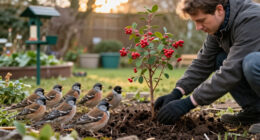
The remaining steps are to leave some seed heads and plant debris, create brush piles or keep leaf litter in a quiet area, and provide clean water. Gray says seed heads can feed seed-eating birds, while leaves and brush offer cover and foraging habitat. The report specifically notes that clean water can benefit birds during fall migration.
Food, Cover and Water in Fall
The advice points to a broader role for a backyard than simply supplying birdseed: gardens can offer food, shelter and water at a time when natural resources may be less available and seasonal movement is underway. Following the recommendations can also mean changing familiar fall cleanup habits, such as cutting back every faded flower or removing all leaves and twigs.
Gray’s suggestions are practical measures, not a reported study of outcomes. The source gives no count of birds helped, no comparison between gardens that follow the steps and those that do not, and no guarantee that any particular action will attract a specific species. Readers can still use the guidance to make a yard more resource-rich while maintaining feeders and baths responsibly.
Popular right now

Dyson Ball Animal Total Clean Upright Vacuum

Bose QuietComfort True Wireless Earbuds with Active Noise Cancellation, Black

Vitamix Propel Series 510 Professional-Grade Blender, 3 Programs, Black
As an affiliate, we earn on qualifying purchases.
The Five October Garden Steps
The report groups the recommendations around seasonal maintenance. First, clean feeders and keep food dry; second, maintain a dependable supply of high-energy food. Third, allow selected flowers, including coneflowers and black-eyed Susans, to retain their seed heads. Gray says these can provide food for seed-eating birds such as American goldfinches and material that may be useful for nesting in spring.
Fourth, leave brush piles or relocate leaves and twigs to a quiet corner rather than clearing every part of the garden. Gray says leaf litter can help ground-foraging birds find insects and provide cover. Fifth, keep a bird bath or other water source clean, removing debris that collects in fall and winter. The source mentions a solar pump as one possible way to keep water moving, but does not say it is necessary.
Gray is described by the publication as a wildlife biologist with more than a decade of experience in research, conservation and regulation involving endangered and imperilled species, with expertise in avian ecology and habitat management. The article presents her recommendations as expert guidance for household gardens, not as a formal conservation directive.
“Birds are attracted to reliable sources of high-quality food.”
— Mary Mack Gray, in-house ornithologist at Birdbuddy, as quoted by Homes & Gardens
Evidence and Local Conditions
The source is a service report, not a new study. It does not provide research data or measured results showing how much each step changes bird numbers, feeder visits or survival. It also does not specify which species will benefit in every region; local bird communities, weather and migration timing vary.
The report gives general maintenance advice but does not set a cleaning schedule or detail a single cleaning method for all feeder types. Readers should follow product instructions and local wildlife guidance. It is also unclear from the article how long its recommendations remain current, as no publication date is supplied in the provided source material.
Keeping the Garden Ready
The immediate next step for readers is to check feeders and water containers, clean them as needed, and decide which garden areas can retain seed heads, leaves or brush without interfering with household needs. Feeders should be monitored so food remains in good condition, and baths should be checked for debris as autumn weather changes.
The source identifies no scheduled follow-up, policy action or upcoming study. Its guidance is seasonal: maintain food and water through fall, preserve suitable cover where practical, and adjust garden care as local conditions change. Whether these measures increase visits in a particular yard will depend on the birds and habitat nearby.
Key Questions
What are the five October steps for helping backyard birds?
The report recommends cleaning feeders, keeping them stocked with suitable high-energy food, leaving seed heads, preserving some brush or leaf litter, and providing clean water.
Which foods does the report recommend?
Gray names suet, sunflower hearts and nuts as high-energy choices. The report advises keeping food supplies reliable and protected from excess moisture.
Should all fallen leaves and garden debris be removed?
No. Gray recommends retaining some leaf litter and brush in a quiet area for cover and foraging. The report acknowledges that leaves may still need to be moved off lawns to prevent smothering grass.
Why provide water during fall?
The report says clean water can support birds year-round and may be particularly useful to migratory birds during fall movement. It recommends keeping bird baths clean of debris.
Does the report prove these actions will attract more birds?
No. It shares expert recommendations but provides no measured results or guarantee of increased visits. Outcomes may vary by location, habitat and the birds present.
Source: rss