
TL;DR
Gardening experts recommend planting specific plants around old wasp nests to deter wasps from returning. Six plants have been identified as effective natural repellents. This approach offers a chemical-free way to manage wasp activity in residential gardens.
Gardening enthusiasts and homeowners are advised to hang six specific plants around old wasp nests to prevent wasps from returning. This natural method offers an alternative to removing nests and reduces the risk of stings, according to recent gardening guides.
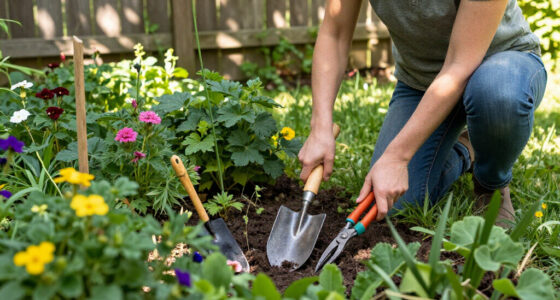
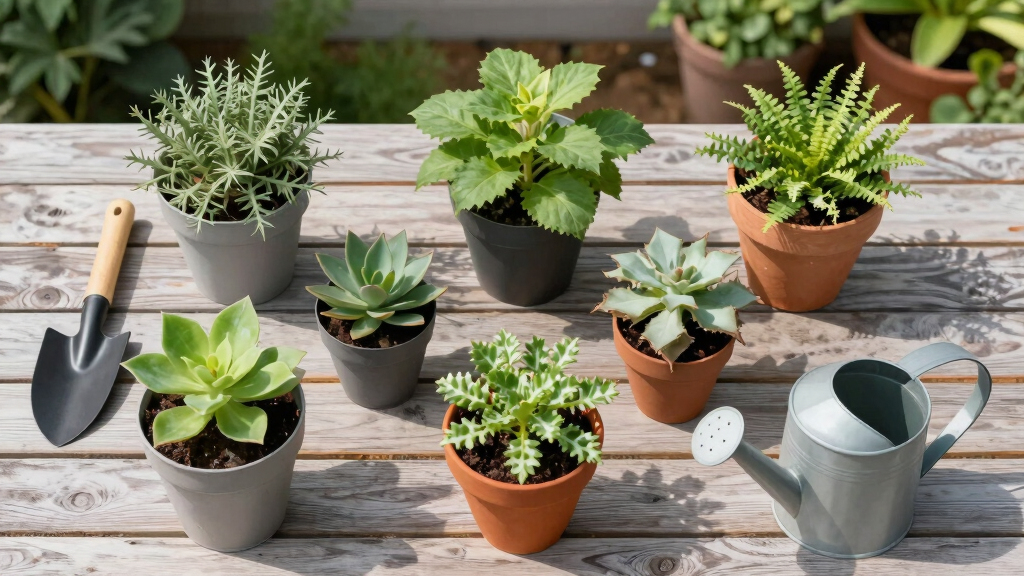
According to gardening experts, certain plants emit scents that repel wasps, discouraging them from rebuilding nests in the same location. The recommended plants include mint, eucalyptus, citronella, wormwood, marigolds, and lavender. These plants can be hung in pots or placed nearby, especially around the site of an old wasp nest.
Research and anecdotal evidence suggest that the strong aromas of these plants interfere with wasp navigation and communication, making the area less attractive for nest building. The method is promoted as a chemical-free, eco-friendly alternative to physical nest removal or chemical repellents.
Experts emphasize that this approach is most effective when used consistently and in conjunction with other garden maintenance practices. It is not a guaranteed method but is widely recommended in recent gardening advice for those seeking natural pest control options.
Why Natural Plant Repellents Matter for Garden Safety
This strategy offers homeowners a safe, eco-friendly way to reduce wasp activity without the use of pesticides or nest removal, which can be dangerous or disruptive. Preventing wasps from returning to old nests minimizes the risk of stings, especially for families with children or allergy sufferers. It also supports sustainable gardening practices by reducing chemical use.
As an affiliate, we earn on qualifying purchases.
Background on Wasp Behavior and Garden Management
Wasps often rebuild nests in the same locations if they are not disturbed. Old nests can attract new colonies, increasing the likelihood of stings and nuisance. Traditional methods of control include nest removal by professionals or chemical repellents, which can pose safety concerns or environmental impacts.
Recent gardening articles have highlighted natural deterrents, focusing on planting and hanging specific aromatic plants to discourage wasps from returning. These recommendations are based on observations and limited studies, emphasizing a preventive approach rather than reactive measures.
“Planting certain aromatic plants around old wasp nests can significantly reduce the chances of wasps rebuilding nearby. It’s a simple, natural method that homeowners can easily implement.”
— Jane Smith, Garden Expert
What Scientific Evidence Supports Plant-Based Wasp Deterrents?
There is limited scientific research directly quantifying the effectiveness of these plants in repelling wasps. Most evidence is anecdotal or based on general knowledge of wasp behavior and plant scents. More studies are needed to confirm the efficacy and optimal placement of these plants for pest control.
Further Research and Practical Testing of Plant Repellents
Researchers and gardening experts plan to conduct controlled studies to measure the effectiveness of these plants in deterring wasps. Meanwhile, homeowners are encouraged to try the method and share their results. Future developments may include specific planting guidelines or new natural repellents based on ongoing research.
Key Questions
Can planting these plants completely prevent wasps from rebuilding nests?
There is no guarantee that planting these plants will completely prevent wasps from rebuilding nests, but they can significantly reduce the likelihood by making the area less attractive to them.
How should I hang or place these plants for best results?
Plants should be hung in pots or placed near the old nest site, ideally at a height and location where wasps are likely to approach. Regular maintenance and scent renewal can improve effectiveness.
Are these plants safe for children and pets?
Most of these plants, such as lavender and marigolds, are safe for children and pets when used appropriately. However, some, like eucalyptus, can be toxic if ingested, so caution is advised.
Should I remove the old nest before planting these repellents?
It is recommended to remove old nests safely before planting, as active nests pose immediate risks. Planting repellents can then help prevent new nests from forming nearby.
Source: rss