TL;DR

Get garden gear delivered free with Prime
- Fast, free delivery on millions of items
- Prime Video, Amazon Music and more included
- Member-only deals all year
A Homes & Gardens report says winter waterlogging is a major risk to alpine plants in many home gardens, where wet soil can deprive roots of oxygen and lead to rot. It recommends sheltering vulnerable in-ground plants, moving potted alpines to a dry, protected place, checking drainage and maintaining airflow.
Winter waterlogging, rather than cold alone, is a key threat to alpine plants in many home gardens, according to a Homes & Gardens report on seasonal care. The guidance recommends keeping plants out of persistently wet conditions while allowing air to circulate, to reduce the risk of root and crown rot.
The report says alpine plants are adapted to cold, exposed environments, but their natural settings often differ from the conditions they face in gardens. In the wild, snow can insulate plants from rain and wind, while rocky soil drains quickly. Home gardens may instead expose alpines to rain-soaked soil and repeated freezing and thawing. When soil stays saturated, water fills spaces around roots and limits their access to oxygen.
For alpines growing in rock, crevice or gravel gardens, the report recommends using a cold frame, cloche or other cover to keep prolonged rain off vulnerable plants. Glass panes or plastic sheeting can also be used, but coverings should be secured. On warmer days, vents or openings should be used to prevent damp, stagnant conditions that can contribute to fungal problems.
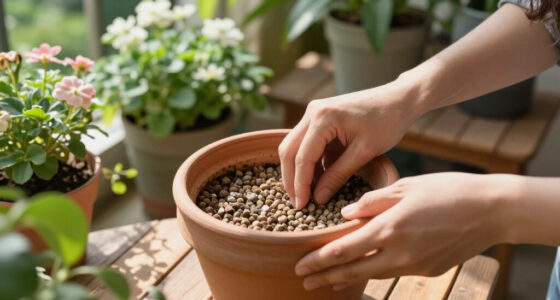
Potted alpines can be moved to an unheated greenhouse, cold frame, porch or another sheltered, dry location. Where indoor shelter is unavailable, pots can be placed under eaves, raised on pot feet or bricks and tilted so water drains away. The report also advises checking that drainage holes are clear and using a gritty growing mix. It says alpines generally need very little winter watering; gardeners can check soil moisture every few weeks rather than keeping it wet.
Keeping Roots Dry Through Winter
The advice addresses a mismatch between alpine plants’ natural growing conditions and the wet, mild winters common in many home gardens. A plant can tolerate low temperatures yet still be harmed if its roots remain in cold, saturated soil. Protecting plants from excess rain may therefore matter more than trying to keep them warm.
The recommendations also offer different options for gardeners depending on where plants grow. A cover can shelter alpines established in a rock garden, while moving containers allows gardeners to manage drainage and exposure more directly. These steps may help prevent root or crown rot and frost heave, in which repeated freezing and thawing can lift plants from the soil.
Popular right now

Dyson Airsmooth Styling Brush

KitchenAid Artisan Mini 3.5-Qt Tilt-Head Stand Mixer, Candy Apple Red

Vitamix VX1 Professional-Grade Blender, 64 oz, Black
As an affiliate, we earn on qualifying purchases.
Why Garden Conditions Differ
Alpines are plants associated with high-altitude or otherwise exposed habitats. The report describes their natural conditions as cold and often dry, with snow providing insulation and lean, rocky ground allowing water to drain. Their reputation for hardiness and low maintenance does not mean they are suited to every winter condition.
In a home garden, persistent rain and poorly drained soil can leave plants wetter for longer than they would be in those natural settings. The report singles out plants with hairy or woolly foliage, including edelweiss, pussytoes and partridge feather, as particularly vulnerable because foliage can hold water near the crown. Horticulturist Jessica Mercer also names alpine varieties of pulsatilla and saxifraga among plants that can be at risk.
“During wet winters, water fills the air spaces around the roots and deprives the roots of oxygen. Over time, the roots and crown can rot.”
— Jessica Mercer, horticulturist at Plant Addicts, as quoted by Homes & Gardens
Local Winter Needs Vary
The report does not give one winter-care schedule for every alpine species or climate. The amount of shelter and watering needed will depend on local weather, drainage and plant type, and the source does not specify exact temperature thresholds or how long covers should remain in place. Its guidance is general rather than a guarantee that any particular plant will survive winter.
The supplied report’s watering advice is incomplete: it says to check soil moisture every few weeks but does not set out a specific watering threshold. Gardeners should avoid interpreting the advice as a direction to leave plants completely dry; the source says they need very little water, not none.
Check Covers and Drainage
Before winter wet weather sets in, gardeners can inspect pots for blocked drainage holes, raise containers where needed and arrange shelter for exposed plants. During winter, the report recommends checking soil moisture every few weeks and opening cold frames or greenhouse doors on warmer days to keep air moving. The next step is to adjust protection as local conditions change, especially during wet spells and periods of thaw.
Key Questions
What is the main winter risk to alpine plants?
The report identifies prolonged waterlogging as a major risk. Saturated soil can limit oxygen around roots and contribute to root or crown rot.
Should alpine plants be covered in winter?
For vulnerable alpines growing in the ground, the report suggests a cold frame, cloche or another cover to keep persistent rain off. Covers should be secured, and openings should be used on warmer days to maintain airflow.
Where should potted alpine plants spend winter?
A sheltered, dry place such as an unheated greenhouse, cold frame or porch is recommended. If those options are unavailable, pots can be placed under eaves, raised and tilted to help rain drain away.
How often should alpines be watered in winter?
The report says alpines generally need very little water during winter and advises checking soil moisture every few weeks. It does not provide a precise watering threshold for all plants or climates.
Source: homesandgardens.com